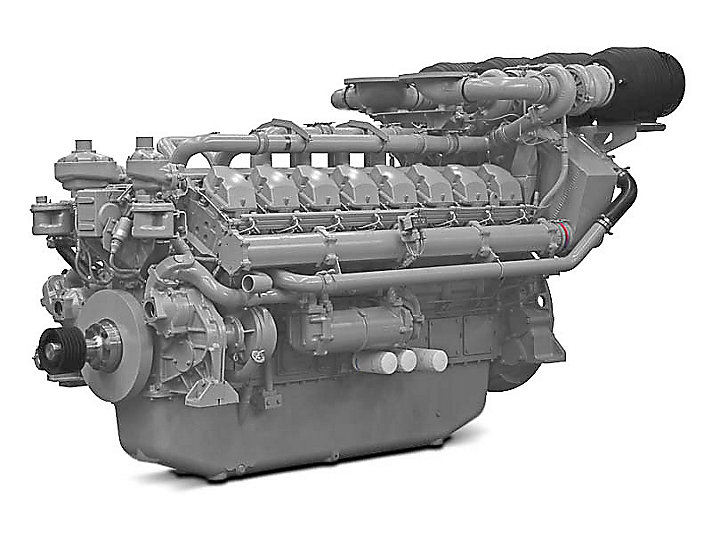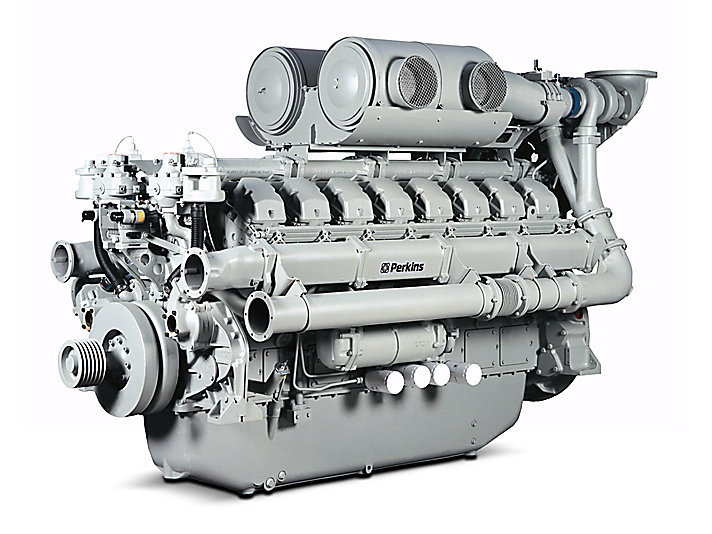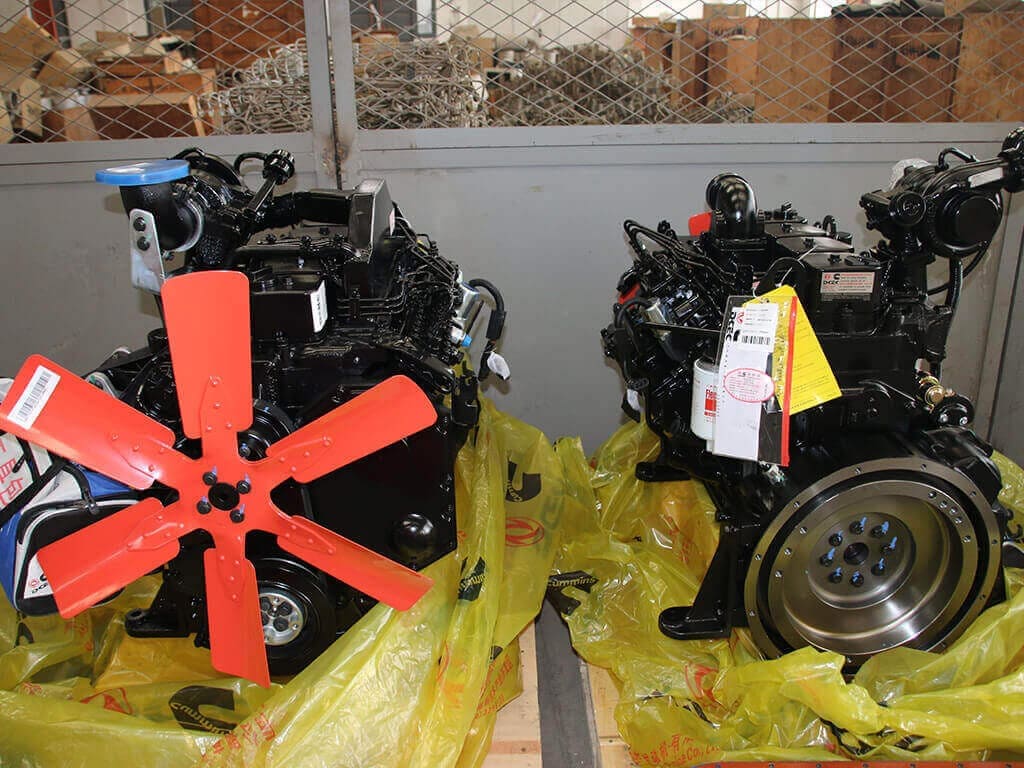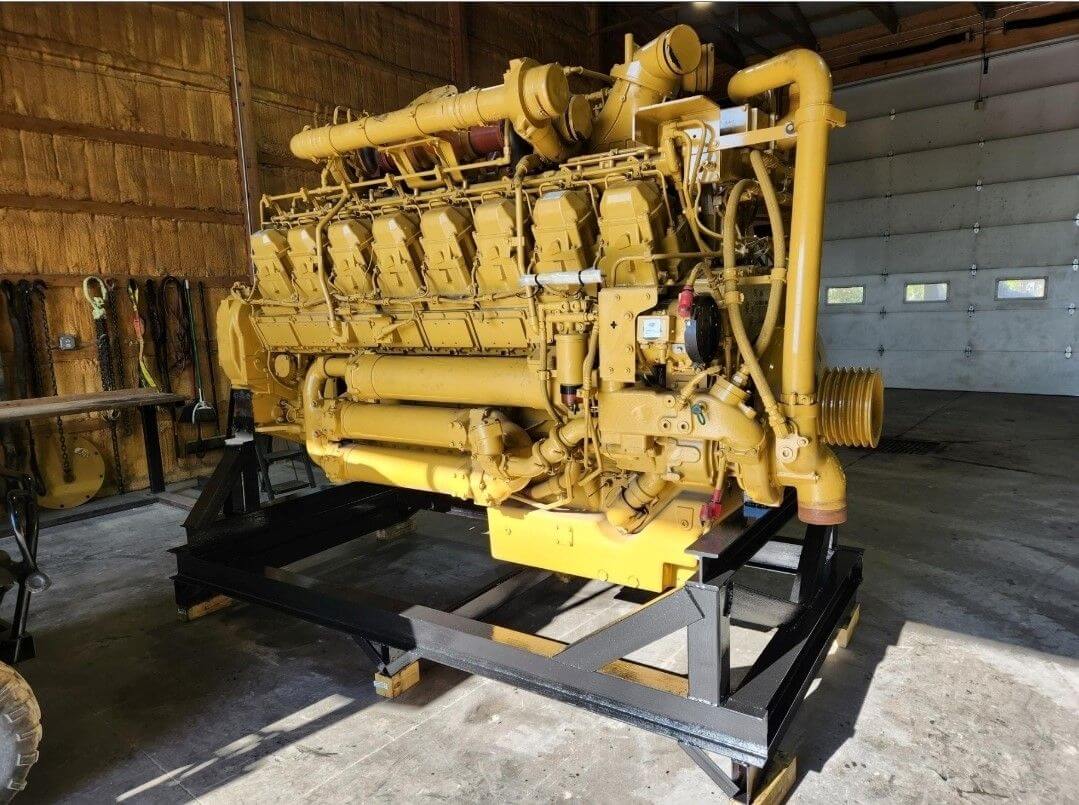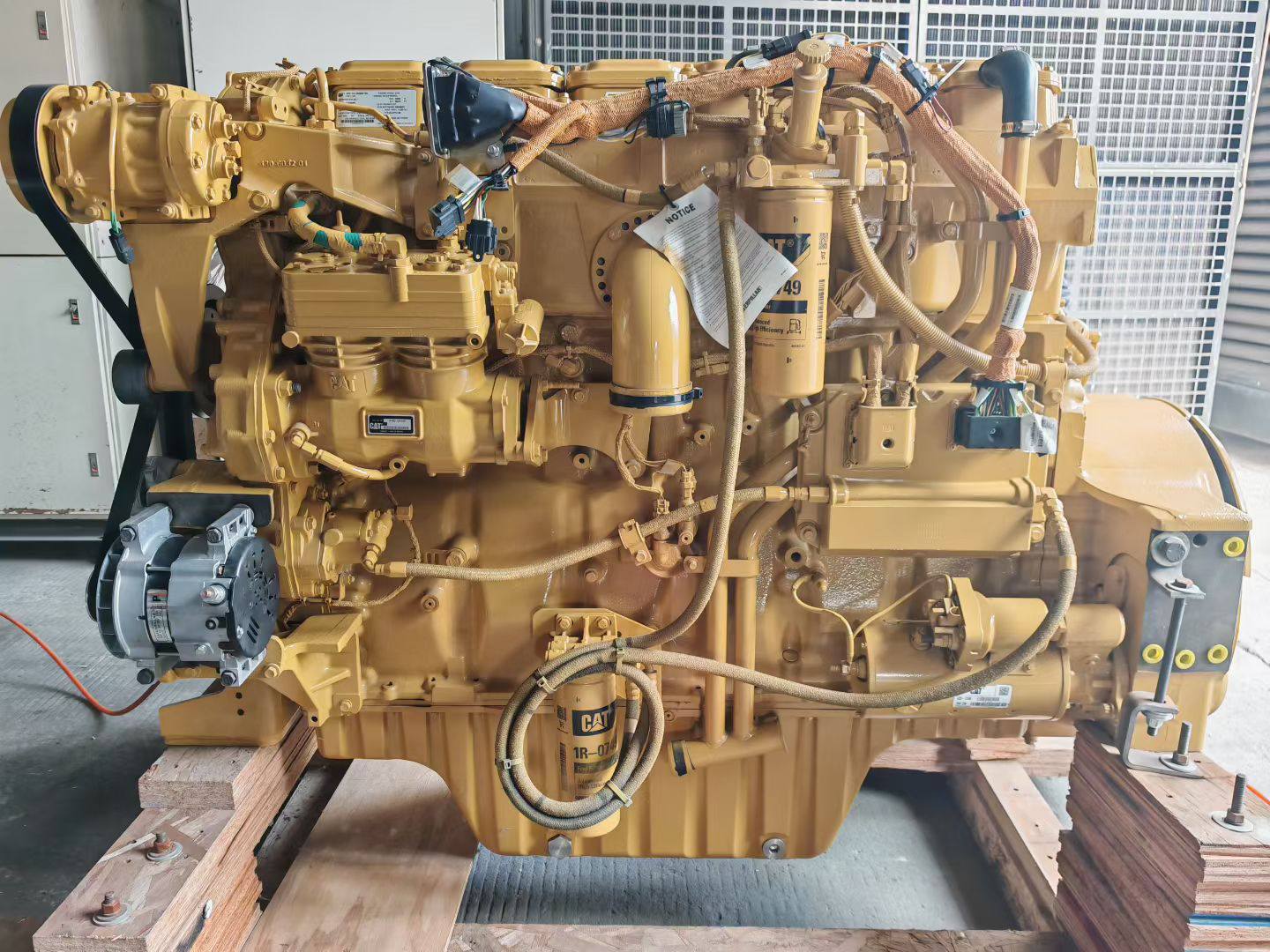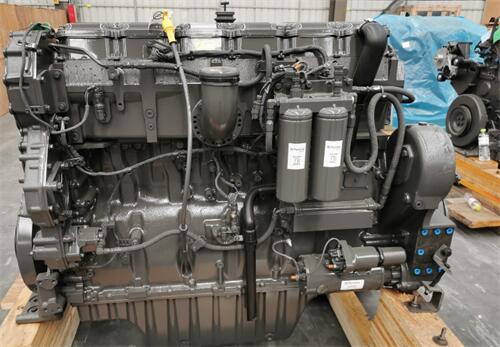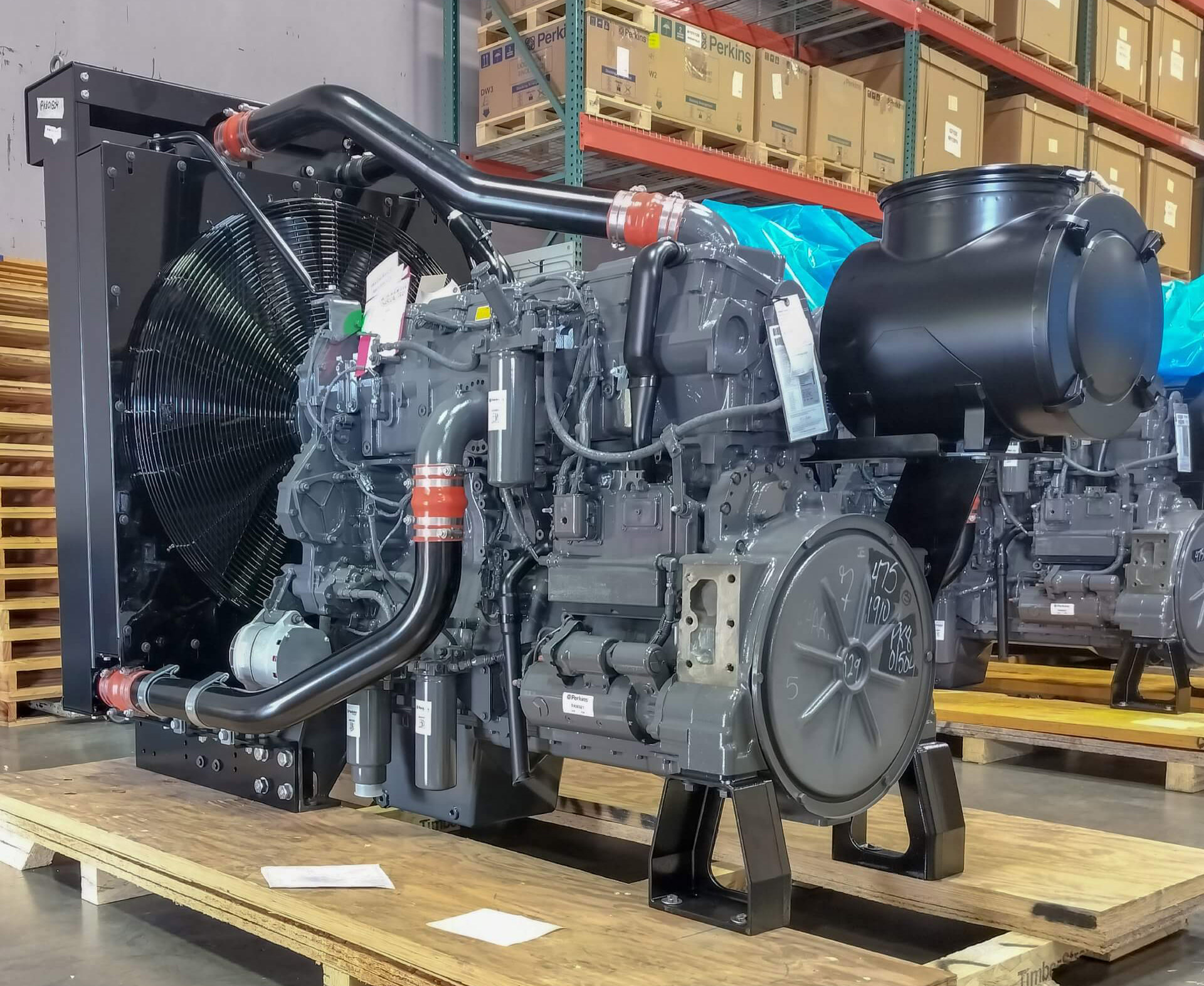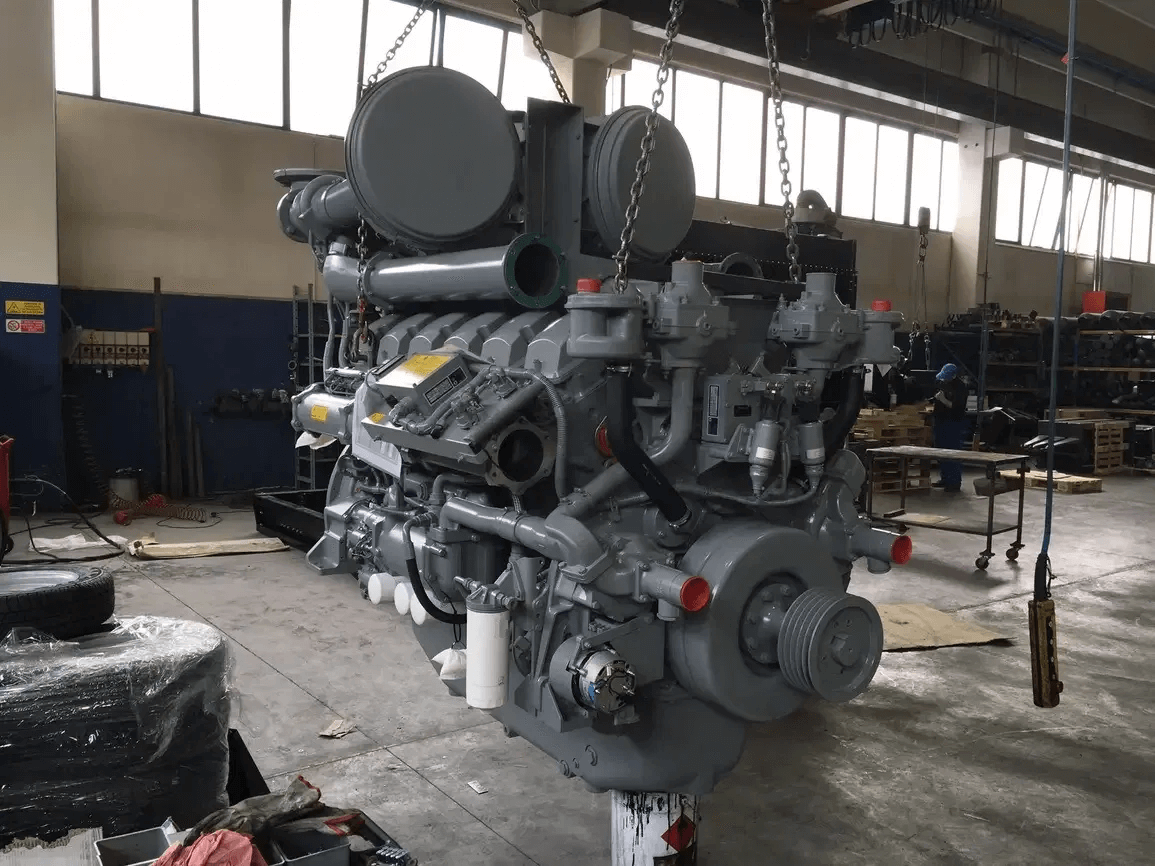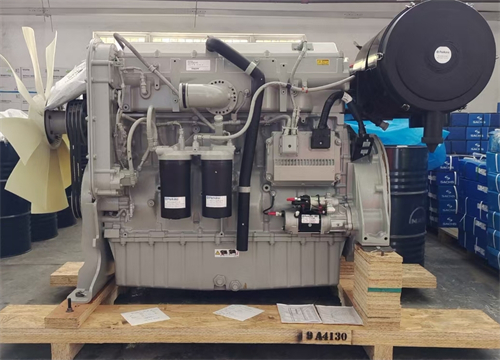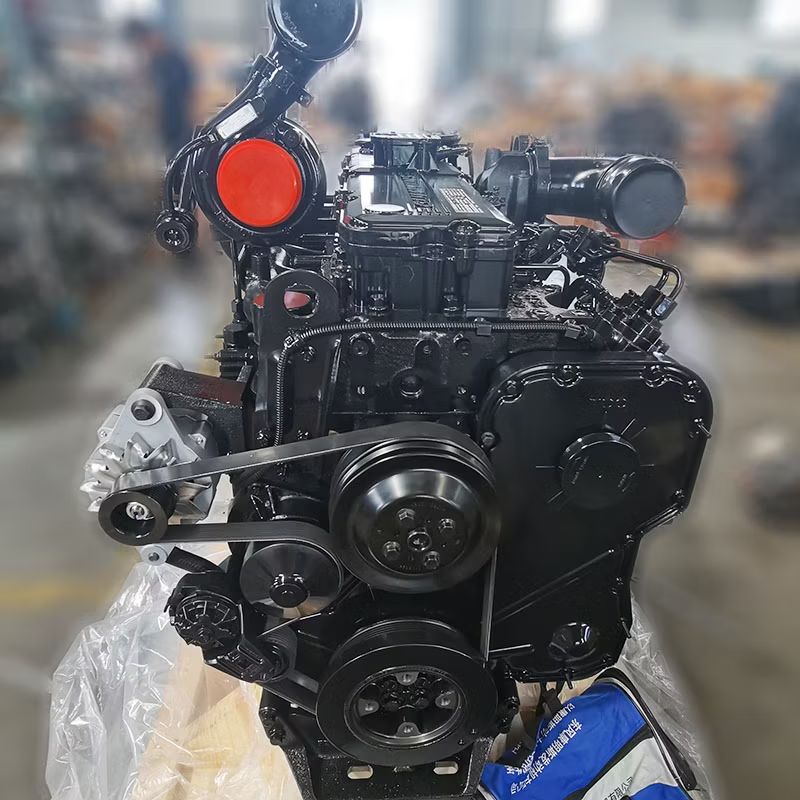

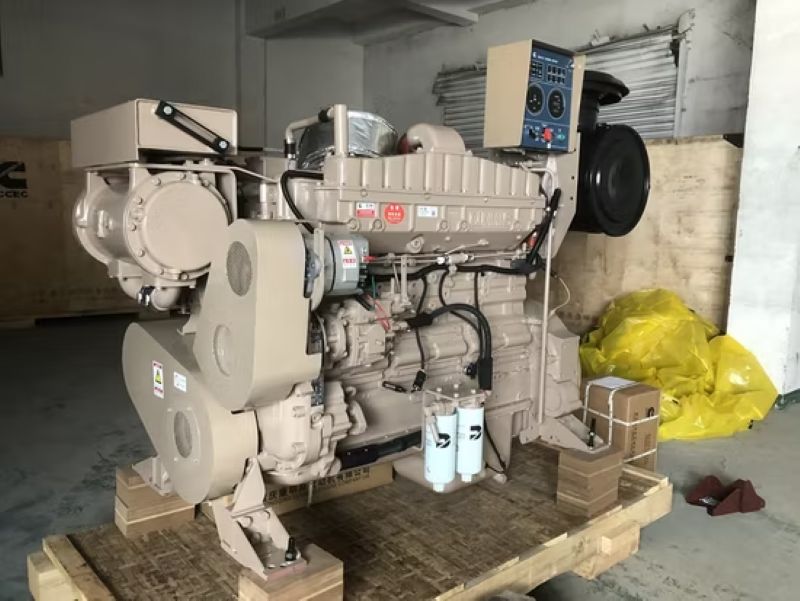
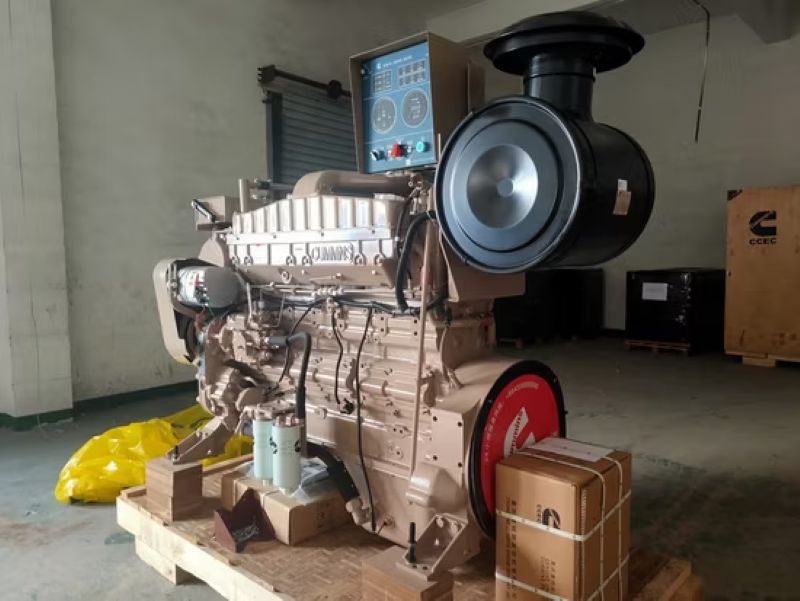
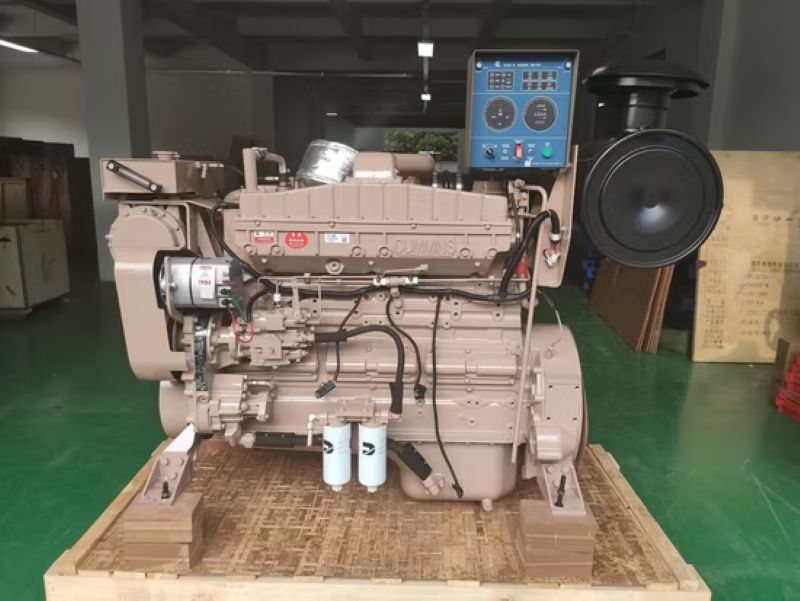
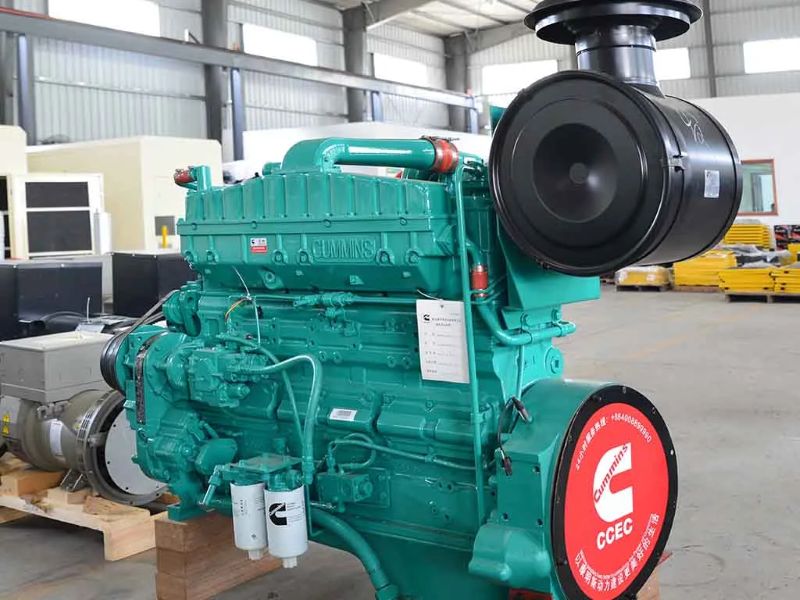
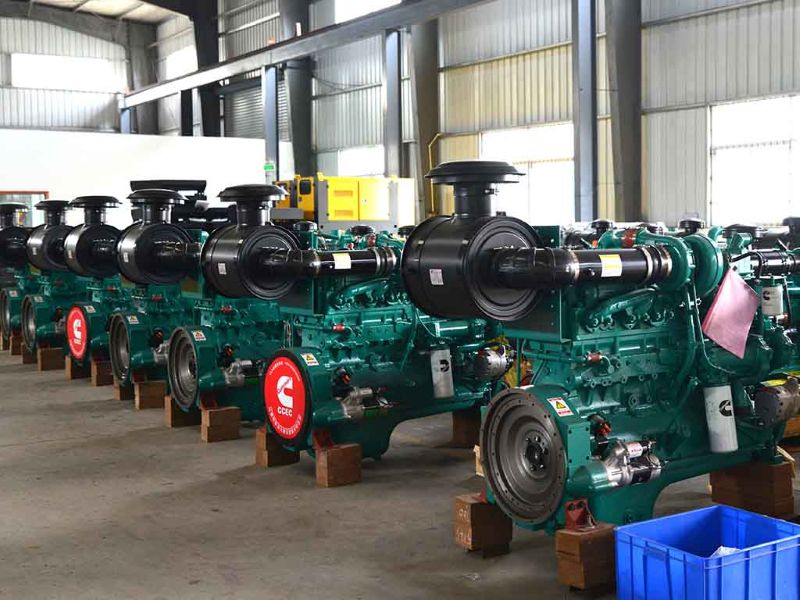
The CCEC Cummins NTA855-G2A is a 14L inline-six diesel engine developed for 1,500 rpm generator-drive applications. It provides 310 kW of prime mechanical power and 343 kW of standby mechanical power for referenced 50 Hz generator-set configurations.
The engine belongs to the established Cummins NTA855 platform and uses a Cummins PT direct-injection fuel system, mechanical governing, turbocharging and water-to-air aftercooling. This configuration is relevant to generator-set manufacturers, replacement-engine buyers and industrial operators requiring a mechanically controlled engine in the medium-to-large 50 Hz power range.
Engine output should not be confused with the final electrical output of the complete generator set. Alternator efficiency, power factor, cooling-fan demand, ambient temperature, altitude and transient-performance requirements must all be considered before confirming the final kVA rating.
- 14L inline-six, 4-stroke diesel engine
- Prime engine power: 310 kW at 1,500 rpm
- Standby engine power: 343 kW at 1,500 rpm
- Referenced for 50 Hz generator-set applications
- Cummins PT pump with direct injection
- Turbocharged and water-to-air aftercooled
- Mechanical governor
- 24V starting-system reference
- Engine configuration reference: D093517DX02
- Performance-curve reference: C-173E
- CPL reference: CQ130
- Euro II emission reference
- CCEC manufacturing reference
Replacing an existing NTA855 engine or developing a new generator set? Send the engine nameplate, ESN, CPL, required kVA, alternator model, controller information and installation photos for configuration checking.
Where the NTA855-G2A Fits in a 50 Hz Generator Set
The NTA855-G2A is rated at 310 kW prime and 343 kW standby at the engine flywheel. These are mechanical engine outputs rather than the final electrical kW or kVA delivered by the generator set.
A preliminary generator-set estimate can be made using the following relationship:
- Estimated electrical kW = engine mechanical kW × alternator efficiency
- Estimated kVA = estimated electrical kW ÷ generator-set power factor
| Engine Rating | Mechanical Output | Preliminary Electrical Estimate | Selection Note |
|---|---|---|---|
| Prime | 310 kW at 1,500 rpm | Approximately 360–372 kVA at 0.8 PF, assuming 93–96% alternator efficiency | Commonly considered for generator packages in the approximately 350–375 kVA prime range, subject to complete-system calculations. |
| Standby | 343 kW at 1,500 rpm | Approximately 399–412 kVA at 0.8 PF, assuming 93–96% alternator efficiency | The final standby rating depends on alternator selection, auxiliary losses and the approved engine duty definition. |
A 375 kVA prime generator set may be possible when the selected alternator has sufficiently high efficiency and the cooling fan and auxiliary loads remain within the available mechanical-power margin. It should not be guaranteed from the engine rating alone.
The alternator manufacturer’s efficiency curve, generator power factor, fan absorption, enclosure airflow and project derating must be included in the final calculation.
310 kW Prime Does Not Mean 310 kW of Electrical Output
The 310 kW prime figure is measured at the engine flywheel. The main generator alternator converts this mechanical power into electrical power, and the conversion process introduces losses.
| Power Stage | What It Represents |
|---|---|
| Engine Mechanical Power | Power available at the engine flywheel before alternator and auxiliary-system losses. |
| Electrical kW | Usable real electrical power after alternator and system losses. |
| Generator-Set kVA | Apparent electrical power calculated using the applicable power factor. |
| Site-Available Output | Final usable output after altitude, temperature, enclosure and installation derating. |
Directly dividing 310 kW by a 0.8 power factor produces 387.5 kVA, but this calculation ignores alternator and auxiliary losses. It should not be used as the confirmed generator-set rating.
Prime, Standby and Continuous Ratings Are Different
The NTA855-G2A data provides prime and standby ratings. Neither should automatically be described as a continuous-power rating.
| Rating Type | General Meaning | NTA855-G2A Selection Implication |
|---|---|---|
| Prime Power | Extended operation under a variable electrical load, subject to the applicable engine rating definition. | Use the 310 kW figure only within the approved prime-duty operating curve. |
| Standby Power | Emergency operation during interruption of the normal power source. | The 343 kW value is an emergency standby rating and should not be treated as the normal long-duration operating point. |
| Continuous Power | A separate rating for long-duration operation at a relatively constant load. | Request the applicable continuous-duty curve before using the engine for base-load or constant-load power generation. |
Projects such as isolated power stations, mining camps, continuous industrial production and remote microgrids should be evaluated using the approved continuous-duty documentation rather than the standby rating.
1,500 rpm Confirms the Referenced 50 Hz Configuration
The listed 310 kW and 343 kW ratings apply at 1,500 rpm. When coupled to a four-pole main alternator, 1,500 rpm corresponds to a 50 Hz electrical frequency.
| Generator Frequency | Typical Four-Pole Speed | NTA855-G2A Requirement |
|---|---|---|
| 50 Hz | 1,500 rpm | The listed NTA855-G2A prime and standby ratings apply to this referenced configuration. |
| 60 Hz | 1,800 rpm | A separately approved 1,800 rpm model, power curve, governor setting and cooling configuration must be selected. |
The NTA855-G2A should not be converted to a 60 Hz configuration simply by increasing governor speed. Engine power, cooling demand, exhaust temperature, fuel consumption, alternator selection and protection settings may all change at 1,800 rpm.
Why the Cummins PT Fuel System Matters
The NTA855-G2A uses a Cummins PT fuel system with direct injection. The system meters fuel through the relationship between pump pressure and injector metering time.
Unlike an electronic high-pressure common-rail system, the PT system relies on a mechanical fuel-pump and injector architecture. This can be useful for operators that already have service experience with Cummins NT, NTA and K-series engines.
| PT-System Characteristic | Practical Benefit | Service Requirement |
|---|---|---|
| Mechanical fuel metering | Reduces dependency on complex electronic fuel-control components. | Pump pressure, governor adjustment and injector calibration must follow the correct engine specification. |
| Direct injection | Supports combustion and load response within the approved generator rating. | Injector condition, timing and fuel cleanliness directly affect performance. |
| Mechanical governor | Controls fuel delivery in response to engine-speed changes. | Transient frequency performance depends on governor condition, adjustment, alternator inertia and load-step size. |
| Established service platform | Relevant to industrial operators familiar with Cummins PT-system maintenance. | Parts must still be selected by ESN, CPL and individual part number. |
The PT fuel system does not control generator voltage. Voltage regulation is primarily managed by the main alternator and AVR, while frequency performance depends on the engine, governor, controller, rotating inertia and complete generator-set commissioning.
Turbocharged and Water-to-Air Aftercooled Configuration
The NTA855-G2A uses turbocharging and water-to-air aftercooling. Compressed intake air from the turbocharger is cooled before entering the cylinders, increasing air density and supporting the rated output.
The NTA designation should not be treated as interchangeable with every NTAA855 version. NTAA configurations commonly use a different charge-air cooling arrangement and may have different radiators, piping, mounting points, performance curves and external equipment.
| Series Reference | Typical Aspiration Description | Replacement Consideration |
|---|---|---|
| NT855 | Turbocharged configuration | Output, cooling and external arrangement may differ from aftercooled engines. |
| NTA855 | Turbocharged with water-to-air aftercooling reference | Confirm aftercooler, coolant connections and radiator capacity. |
| NTAA855 | Turbocharged with air-to-air charge-air cooling reference | Requires compatible charge-air cooler, piping and enclosure airflow. |
NTA855-G2A Technical Specifications
Core Engine Data
| Parameter | Reference Specification |
|---|---|
| Engine Model | NTA855-G2A |
| Manufacturer Reference | Chongqing Cummins Engine Co., Ltd. / CCEC |
| Engine Type | 4-stroke, inline six-cylinder diesel engine |
| Displacement | 14 L / 855 in³ |
| Bore × Stroke | 140 × 152 mm |
| Compression Ratio | 14.0:1 for the referenced configuration |
| Firing Order | 1-5-3-6-2-4 |
| Aspiration | Turbocharged and water-to-air aftercooled |
| Fuel System | Cummins PT pump with direct injection |
| Governor | Mechanical |
| Cooling Method | Liquid cooled |
| Emission Reference | Euro II reference; destination-market acceptance must be confirmed |
Configuration Identification
| Identification Item | Reference | How It Should Be Used |
|---|---|---|
| Engine Configuration Number | D093517DX02 | Used as an initial configuration reference when comparing replacement engines. |
| Performance Curve | C-173E | Used to verify approved power, fuel-consumption and operating data. |
| CPL Reference | CQ130 | Used with the ESN and part number when identifying service parts and build details. |
| Engine Serial Number | Engine-specific | The primary reference for confirming the actual production build and compatible parts. |
The CPL, configuration number or model designation should not be used alone to guarantee direct interchangeability. The ESN and actual installation interfaces must also be checked.
Power, Speed and Torque Data
| Parameter | Reference Specification |
|---|---|
| Prime Engine Power | 310 kW / approximately 415 HP at 1,500 rpm |
| Standby Engine Power | 343 kW / approximately 460 HP at 1,500 rpm |
| Prime Torque | Approximately 1,974 N·m at 1,500 rpm |
| Standby Torque | Approximately 2,184 N·m at 1,500 rpm |
| Rated Speed | 1,500 rpm |
| Referenced Generator Frequency | 50 Hz with a four-pole main alternator |
| Low Idle Speed | Approximately 575–650 rpm |
The torque figures describe the engine’s rated mechanical output. They do not independently guarantee a particular load-acceptance percentage, frequency dip or recovery time for the complete generator set.
Fuel, Cooling and Starting Data
| Parameter | Reference Specification |
|---|---|
| Fuel Grade Reference | No. 2 diesel or approved equivalent meeting the applicable engine requirements |
| Fuel-System Type | Cummins PT pump with direct injection |
| Engine-Only Coolant Volume | Approximately 20.8 L |
| Electrical-System Reference | 24V |
| Listed Starting-Current Reference | 900A reference; confirm the final starter, battery and cable requirements |
| Lowest Starting Temperature Without Auxiliary Equipment | Approximately -12°C |
Actual cold-start capability depends on battery capacity, battery condition, starter condition, cable size, oil viscosity, fuel properties, coolant temperature, intake heating and block-heater configuration.
Dimensions and Weight
| Parameter | Reference Specification |
|---|---|
| Reference Dry Weight | Approximately 1,300 kg |
| Listed Net-Weight Reference | Approximately 1,410 kg, depending on the included accessory configuration |
| Reference Packing Dimensions | 1980 × 900 × 1600 mm |
| Reference Gross Packed Weight | Approximately 1,600 kg |
The listed dry and net weights may represent different accessory scopes. Confirm whether the radiator, starter, charging alternator, flywheel housing, air cleaner, exhaust components and other accessories are included before using the weight for skid, lifting or freight calculations.
NTA855 Generator-Engine Series Comparison
The NTA855-series models share a general 14L engine platform, but their power ratings, speed, cooling arrangement, configuration number and performance curve may differ.
| Model | Listed Prime Power | Rated Speed | Aspiration Reference | Configuration Number | Curve Reference |
|---|---|---|---|---|---|
| NT855-GA | 231 kW | 1,500 rpm | Turbocharged | D092473DX02 | C-171E |
| NTA855-G1A | 264 kW | 1,500 rpm | Turbocharged and water-to-air aftercooled | D093517DX02 | C-172E |
| NTA855-G1B | 284 kW | 1,500 rpm | Turbocharged and water-to-air aftercooled | D093517DX02 | C-819E |
| NTA855-G2A | 310 kW | 1,500 rpm | Turbocharged and water-to-air aftercooled | D093517DX02 | C-173E |
| NTA855-G3 | 358 kW | 1,800 rpm | Turbocharged and water-to-air aftercooled | D093580DX02 | C-4495 |
| NTA855-G4 | 317 kW | 1,500 rpm | Turbocharged and water-to-air aftercooled | D093613DX02 | C-810E |
| NTAA855-G7 | 343 kW | 1,500 rpm | Turbocharged and air-to-air aftercooled | D093629DX02 | C-164E |
| NTAA855-G7A | 407 kW | 1,500 rpm | Turbocharged and air-to-air aftercooled | D093629DX02 | C-184E |
Similar displacement or configuration-family references do not prove that the models use identical injectors, fuel pumps, turbochargers, cooling systems, flywheels or external accessories.
NTA855-G2A Compared with NTA855-G4
The NTA855-G2A and NTA855-G4 both have listed 1,500 rpm ratings, but the G4 provides 317 kW of listed prime mechanical power compared with 310 kW for the G2A.
| Selection Item | NTA855-G2A | NTA855-G4 |
|---|---|---|
| Listed Prime Power | 310 kW | 317 kW |
| Rated Speed | 1,500 rpm | 1,500 rpm |
| Configuration Reference | D093517DX02 | D093613DX02 |
| Performance Curve | C-173E | C-810E |
| Replacement Decision | Compare ESN, CPL, flywheel housing, fuel system, turbocharger, cooling package, mounts and alternator coupling before substitution. | |
The 7 kW difference in listed prime power should not be the only selection factor. The required generator-set kVA, existing radiator, base frame, alternator and service-parts configuration may be more important than the small difference in mechanical output.
When the NTA855-G2A Is an Appropriate Choice
| Project Requirement | Why the NTA855-G2A May Be Considered |
|---|---|
| Approximately 350–375 kVA prime 50 Hz generator set | The 310 kW prime engine rating can support this general class, subject to alternator efficiency and system losses. |
| Approximately 400–413 kVA standby 50 Hz generator set | The 343 kW standby rating can be evaluated for this range after complete package calculations. |
| Existing NTA855-G2A replacement | Maintaining the same model and configuration family may reduce integration risk when all interfaces are verified. |
| Project requiring a mechanical PT fuel system | The engine may suit operators with established Cummins PT-system service capability. |
| OEM generator manufacturing | The 1,500 rpm platform is relevant to medium-to-large 50 Hz generator packages. |
| Industrial spare-engine strategy | Can be considered as a project spare when the stored configuration matches the installed generator set. |
Replacement Compatibility Checklist
The NTA855-G2A may be considered as a replacement candidate for some generator sets using the D093517DX02 configuration family, but it should not be described as a universal direct replacement.
| Matching Item | Required Verification |
|---|---|
| Engine Serial Number | Use the ESN to identify the original build, production revision and compatible parts. |
| CPL Reference | Confirm whether the original engine corresponds to CQ130 or another control-parts configuration. |
| Configuration Number | Compare the original engine with D093517DX02 and identify any accessory differences. |
| Rated Speed and Frequency | Confirm 1,500 rpm and 50 Hz. Do not use the G2A as an unverified substitute for a 1,800 rpm installation. |
| SAE Flywheel Housing | Confirm the actual housing size, flywheel and coupling arrangement from drawings or measurements. |
| Mounting Footprint | Compare front and rear mounts, engine height and base-frame clearances. |
| Main Alternator Interface | Verify flexible coupling, disc arrangement, shaft alignment and mounting dimensions. |
| Cooling System | Confirm radiator capacity, fan arrangement, coolant connections and aftercooler circuit. |
| Fuel System | Compare PT pump, injectors, fuel-line connections, filters and shutdown arrangement. |
| Intake and Exhaust | Confirm air-filter restriction, turbocharger orientation, exhaust outlet and allowable back pressure. |
| Starting System | Verify the 24V starter, batteries, charging alternator and cable specification. |
| Controller Integration | Confirm speed sensing, start-stop circuits, alarms, shutdowns and protection logic. |
Generator-Set Application Scenarios
| Application | Why the NTA855-G2A May Be Considered | Important Project Check |
|---|---|---|
| Hospital and Critical-Facility Backup | The engine output range is relevant to medium-to-large emergency generator projects. | The complete generator set must be tested for start time, load acceptance, frequency recovery, redundancy and applicable emergency-power codes. |
| Factory Standby Power | May support production equipment, pumps, ventilation and selected auxiliary loads. | Calculate the largest motor-starting demand, load sequence and non-essential load shedding. |
| Mining and Remote Sites | The mechanical PT platform may suit sites with established mechanical diesel-service capability. | Review altitude, dust, ambient temperature, fuel quality, cooling margin and maintenance resources. |
| Commercial Buildings | The general kVA range is relevant to office buildings, hotels and mixed-use facilities. | Calculate lifts, HVAC, fire pumps, water pumps and emergency-lighting loads. |
| Data and Telecommunications Facilities | Can be considered for packaged standby systems within the calculated load range. | Verify transient performance, redundancy, controller integration, remote monitoring and fuel autonomy. |
| Construction and Temporary Power | May support pumps, cranes, batching equipment and temporary facilities. | Confirm mobile-equipment emission requirements, enclosure cooling, dust protection and transport design. |
| Water and Utility Projects | Can be evaluated for pump stations, treatment plants and utility backup systems. | Review motor starting, harmonics, operating hours and required redundancy. |
Transient Performance Depends on the Complete Generator Set
The listed torque and mechanical-governor configuration do not by themselves guarantee full-load acceptance in one step or a specific frequency dip.
Generator-set transient performance depends on:
- Engine governor type, condition and adjustment
- Engine torque reserve and approved performance curve
- Main alternator rotating inertia
- AVR response and excitation system
- Generator controller settings
- Applied load-step size and load type
- Motor-starting method
- Ambient temperature and altitude
- Cooling-fan absorption
- Complete generator-set commissioning
NFPA 110, ISO 8528 or another generator-set standard applies to the complete installed system and cannot be claimed solely from the engine model.
Emission Reference and Destination-Market Approval
The supplied information lists Euro II as an emission reference for the NTA855-G2A configuration.
Euro II should not be interpreted as automatic approval for every current market. Requirements may differ according to the country, production date, installation type and whether the generator set is stationary, mobile, rental or emergency-only equipment.
| Compliance Question | Required Confirmation |
|---|---|
| Is Euro II accepted locally? | Check current regulations for the destination country and intended application. |
| Is an emission document included? | Confirm the exact certificate or statement, engine family, serial-number coverage and revision. |
| Is the generator set stationary or mobile? | Different regulatory categories may apply to fixed, mobile, rental and non-road equipment. |
| Does the complete generator set require certification? | The alternator, controller, enclosure, electrical protection, noise level and installation may require separate approval. |
Parts and Service Support
ZEB Power can supply Cummins NTA855 engine parts for routine maintenance, PT fuel-system repair, cooling-system service and engine overhaul.
- PT fuel pumps and pump components
- Fuel injectors and injector components
- Fuel, oil and air filters
- Turbochargers and related components
- Aftercooler and cooling-system parts
- Water pumps and thermostats
- Oil pumps and lubrication components
- Starter motors and charging alternators
- Mechanical governor components
- Gasket and seal kits
- Top, in-frame and complete overhaul kits
- Pistons, rings and cylinder liners
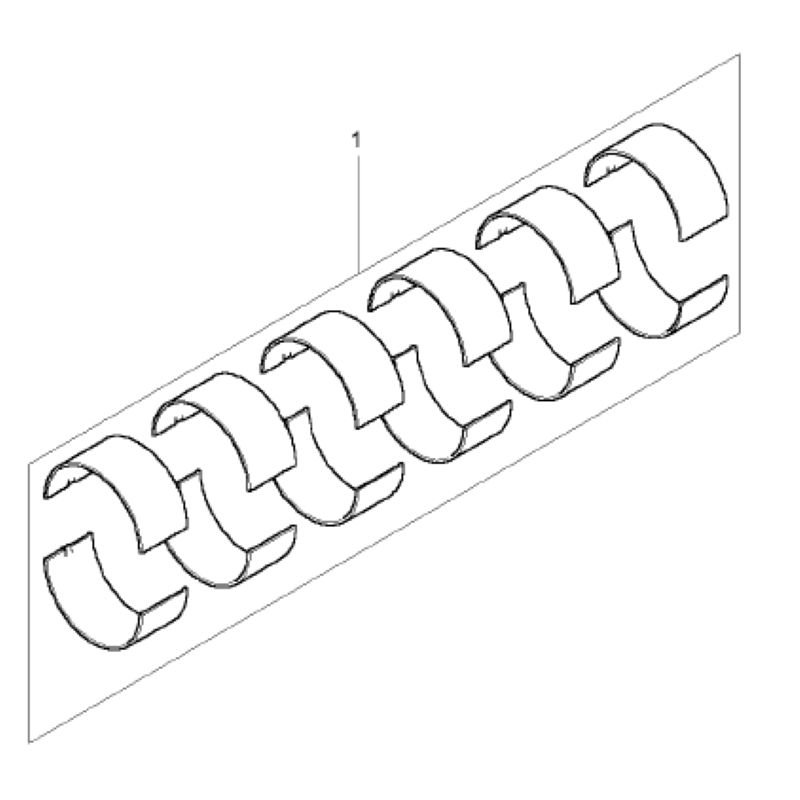
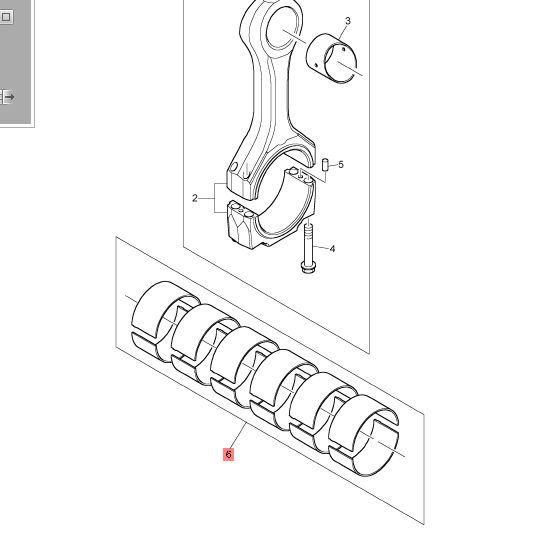
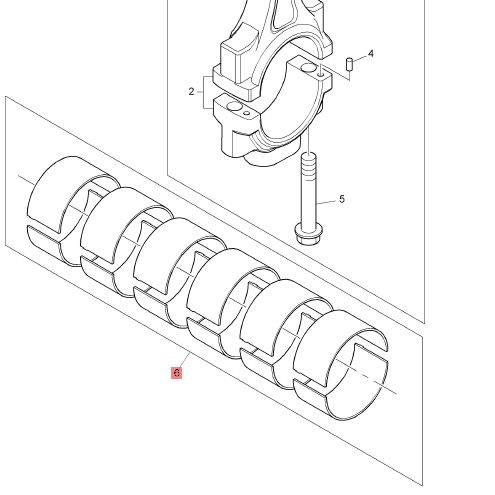
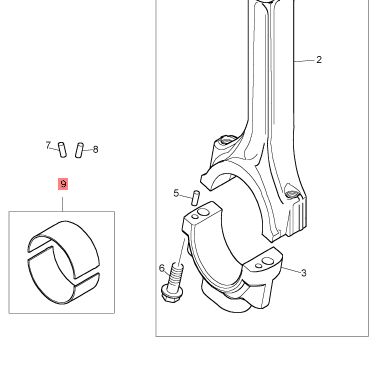
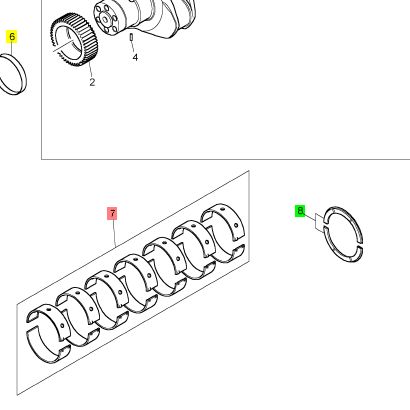
- Main and connecting-rod bearings
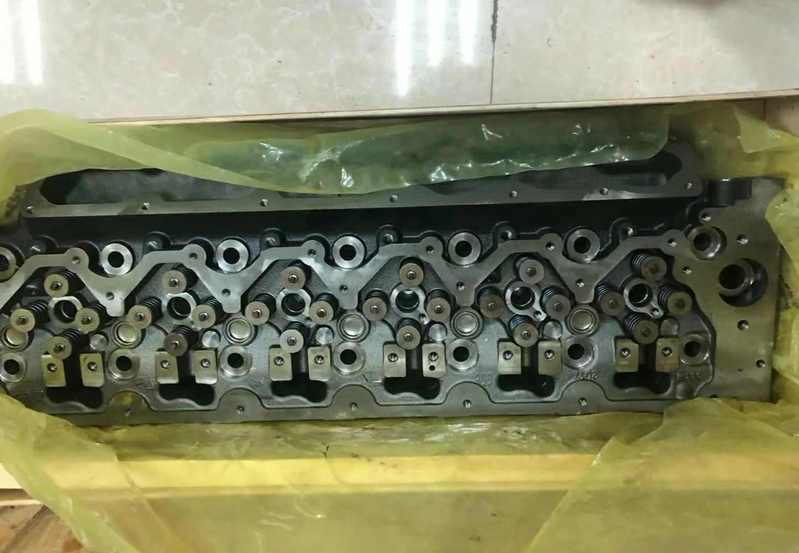
- Cylinder-head and valve-train components
Parts should be selected using the engine serial number, CPL reference and individual part number. A model name such as NTA855-G2A or the CQ130 reference alone may not identify every production revision or external accessory.
Maintenance Planning
Service intervals should follow the operation and maintenance manual for the final engine serial number, fuel quality, oil specification, load factor and site conditions.
| Maintenance Item | Planning Requirement |
|---|---|
| Engine Oil and Filter | Follow the approved interval for the selected oil, sulfur level, duty cycle and operating environment. |
| Fuel Filters | Inspect and replace according to fuel cleanliness, water contamination and pressure restriction. |
| Valve and Injector Adjustment | Use the correct engine procedure and specifications for the ESN and CPL. |
| Cooling System | Check coolant concentration, corrosion protection, hoses, radiator, thermostat and aftercooler circuit. |
| PT Pump and Injectors | Evaluate fuel pressure, governor performance, injector condition and engine smoke or power symptoms. |
| Engine Overhaul | Plan according to oil consumption, blow-by, compression, bearing condition and actual operating history rather than a fixed universal hour figure. |
Available Supply Formats
| Supply Format | Suitable Buyer | Items to Confirm |
|---|---|---|
| Base Generator Engine | Generator-set manufacturers with their own radiator, controller, frame and main alternator | Included flywheel, housing, starter, charging alternator, governor, filters and sensors |
| Complete Replacement Engine | Owners replacing an existing NTA855-G2A | ESN, CPL, configuration number, accessories and all mechanical interfaces |
| Engine with Cooling Package | OEM projects requiring a matched radiator and aftercooler circuit | Ambient-temperature requirement, fan absorption, airflow and enclosure design |
| Generator Drive Package | Projects requiring a broader engine-side supply | Required kVA, alternator model, controller, voltage, frequency and base-frame design |
| Complete Generator Set | Buyers requiring engine, main alternator, controller, cooling system and frame | Prime or standby duty, voltage, enclosure, certification and destination conditions |
| Project Spare Engine | Factories, utilities, mines and critical facilities maintaining a spare engine | Long-term preservation, accessory completeness, storage rotation and commissioning procedure |
Commercial, Packing and Export Information
| Commercial Item | Reference Information |
|---|---|
| Minimum Order | 1 engine, subject to stock and quotation confirmation |
| Lead Time | Normally 15–30 working days, depending on stock, configuration and included accessories |
| Payment Terms | T/T or L/C, subject to final order confirmation |
| Trade Terms | FOB / CIF / CFR / EXW, subject to quotation |
| Standard Packaging | Export wooden case or another agreed engine-protection package |
| ISPM-15 Packaging | Available when required and confirmed before packing |
| Reference Packing Size | 1980 × 900 × 1600 mm |
| Reference Gross Weight | Approximately 1,600 kg, subject to the final packing list |
| Export Documents | Commercial invoice, packing list, bill of lading, certificate of origin and other agreed documents |
| Preferential-Origin Documents | Form E or other documents only when applicable and confirmed before shipment |
| Inspection | Pre-shipment inspection or third-party inspection can be discussed before order confirmation |
| Warranty Reference | 12-month reference; coverage, start date, exclusions and claim procedure are subject to the final sales contract |
Current stock, production allocation and included documentation should be confirmed at the time of quotation.
Frequently Asked Questions
What generator-set size can the NTA855-G2A drive?
The engine provides 310 kW prime and 343 kW standby mechanical power at 1,500 rpm. At a 0.8 power factor and an assumed alternator efficiency of 93–96%, the preliminary estimates are approximately 360–372 kVA prime and 399–412 kVA standby.
A complete 375 kVA prime or approximately 400–413 kVA standby generator package may be possible depending on alternator efficiency, fan absorption, auxiliary loads and site derating. The final rating must be confirmed using the selected alternator and generator-set design.
Is the NTA855-G2A suitable for 60 Hz?
The listed ratings apply at 1,500 rpm for a referenced 50 Hz configuration. A 60 Hz generator set normally requires an approved 1,800 rpm engine model, power curve, governor setting and cooling package.
Is the NTA855-G2A a Common Rail engine?
No. It uses a Cummins PT pump and direct-injection fuel system with a mechanical governor rather than an electronic high-pressure common-rail system.
What is the official full-load fuel consumption?
Fuel consumption should be taken from the approved C-173E performance curve for the required duty and test condition. Avoid using a general consumption estimate for fuel-tank sizing or operating-cost guarantees.
What is the engine-oil capacity?
The final oil capacity should be confirmed using the operation and maintenance manual for the actual engine serial number, oil-pan configuration and installed angle.
Can an NTA855-G4 directly replace the G2A?
Not automatically. Although both listed configurations operate at 1,500 rpm, their configuration numbers, performance curves and possibly their fuel, cooling and external components differ.
Does CPL CQ130 guarantee direct replacement?
No. The CPL is an important identification reference, but replacement compatibility also depends on the ESN, configuration number, flywheel housing, mounting footprint, coupling, cooling system, fuel connections, starting system and controller integration.
Can the engine be used for hospital emergency power?
The engine can be evaluated for a hospital generator-set project within its approved output range. Compliance with NFPA 110 or another emergency-power standard depends on the complete generator set, fuel system, transfer switch, controls, installation and site testing.
Can the engine start below -12°C?
The supplied reference lists approximately -12°C without auxiliary starting equipment. Colder installations may require appropriately sized batteries, block heaters, coolant heaters, intake heating, suitable oil and fuel-system protection.
Is Euro II accepted in my country?
Acceptance depends on the destination country, production date and whether the generator set is stationary, mobile, rental or used for prime power. Confirm the current local requirements before ordering.
What information is required for a parts quotation?
Provide the engine serial number, CPL reference, part number where available, component description, photographs and required quantity.
What information is required for a replacement-engine quotation?
Provide the original engine nameplate, ESN, CPL, configuration number, generator-set model, required kVA, alternator model, voltage, frequency, controller information, starting-system voltage and installation photos.
What documents can be supplied with the engine?
Available documents may include the commercial invoice, packing list, engine test information, operation and maintenance documentation, parts information, certificate of origin and other documents agreed before shipment.
Request an NTA855-G2A Configuration and Genset-Matching Check
To prepare an accurate quotation, the engine must be matched to the required electrical output and the existing mechanical, cooling, fuel and control-system interfaces.
Please provide:
- Required prime and standby generator-set output
- Voltage, phase and 50 Hz operating frequency
- Main alternator brand and model
- Power factor
- Original engine model and nameplate photo
- Engine serial number
- CPL and configuration number
- Performance-curve reference where available
- SAE flywheel-housing and coupling information
- Engine-mount and base-frame drawings
- Radiator and aftercooler configuration
- Controller and shutdown-system information
- 24V starting-system details
- Site altitude and maximum ambient temperature
- Emission or certification requirements
- Required supply scope
- Quantity and destination port
Related Product
-
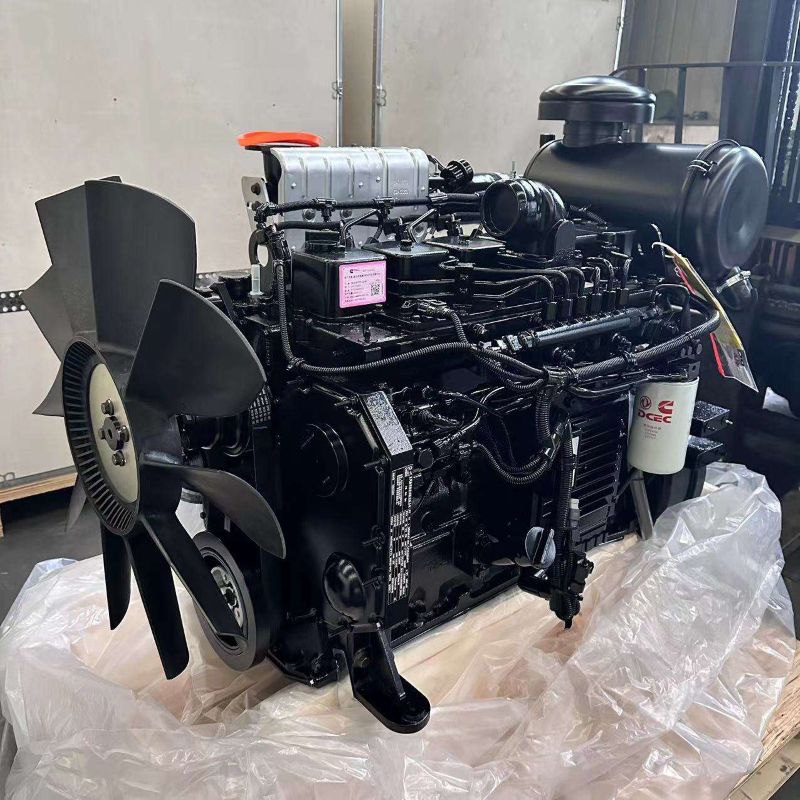 Cummins QSB5.9-G2 96kW Generator Drive EngineCummins QSB5.9-G2 5.9L diesel engine for 50Hz gensets, delivering 96kW prime and 106kW standby power for factory, commercial and remote backup ap…
 -
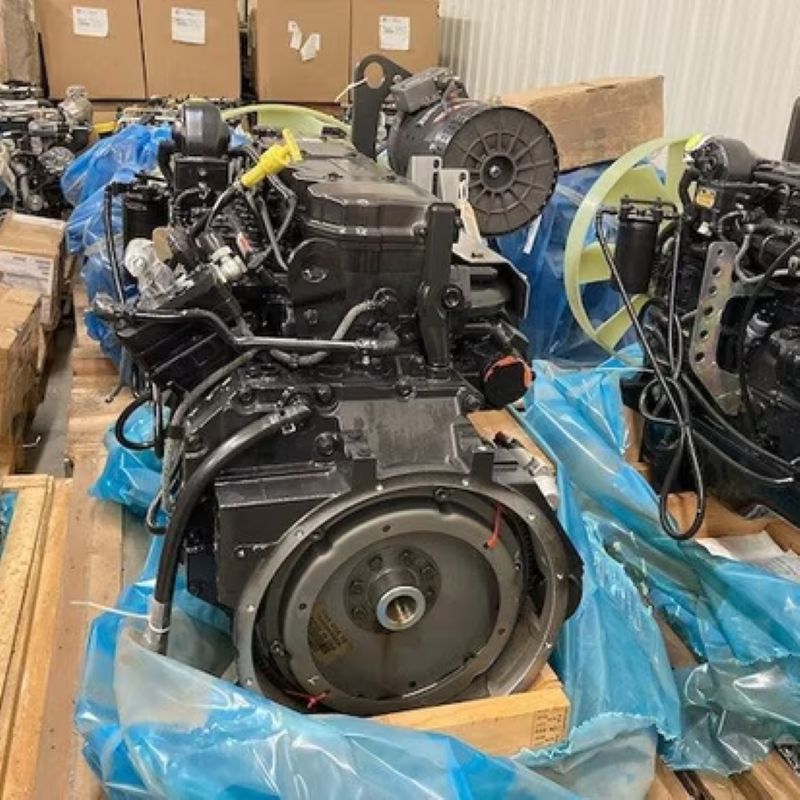 Cummins QSB6.7-G3 151kW Generator Drive EngineSource the Cummins QSB6.7-G3 6.7L generator engine with 151kW prime and 166kW standby power at 1500 RPM, common rail injection, parts support and…
 -
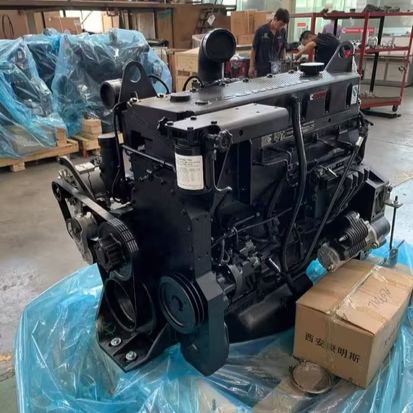 Cummins QSM11-G3 257–387kW Generator Drive EngineCummins QSM11-G3 10.8L diesel engine for 50Hz and 60Hz gensets, delivering 257–387kW prime power with PT fuel injection, parts support and export…
Get Your Engine & Parts Quote
Upload your parts list or send your ESN — we reply within 30 minutes. Engine down? Need fast replacement? Contact us to check today’s stock & delivery time.