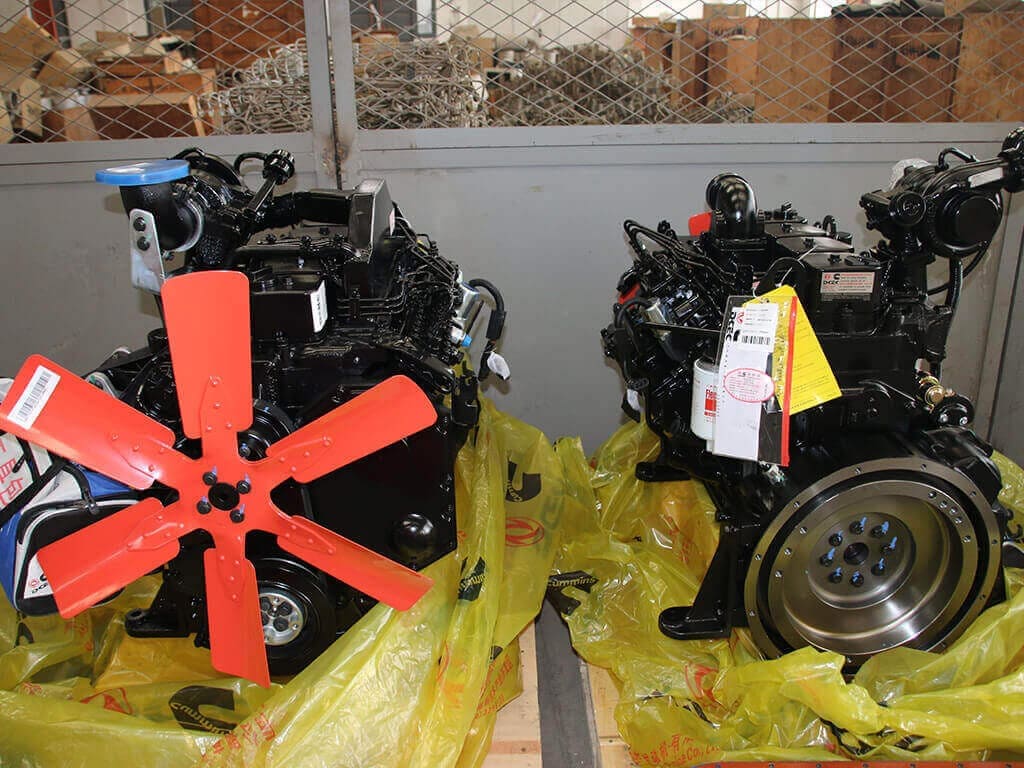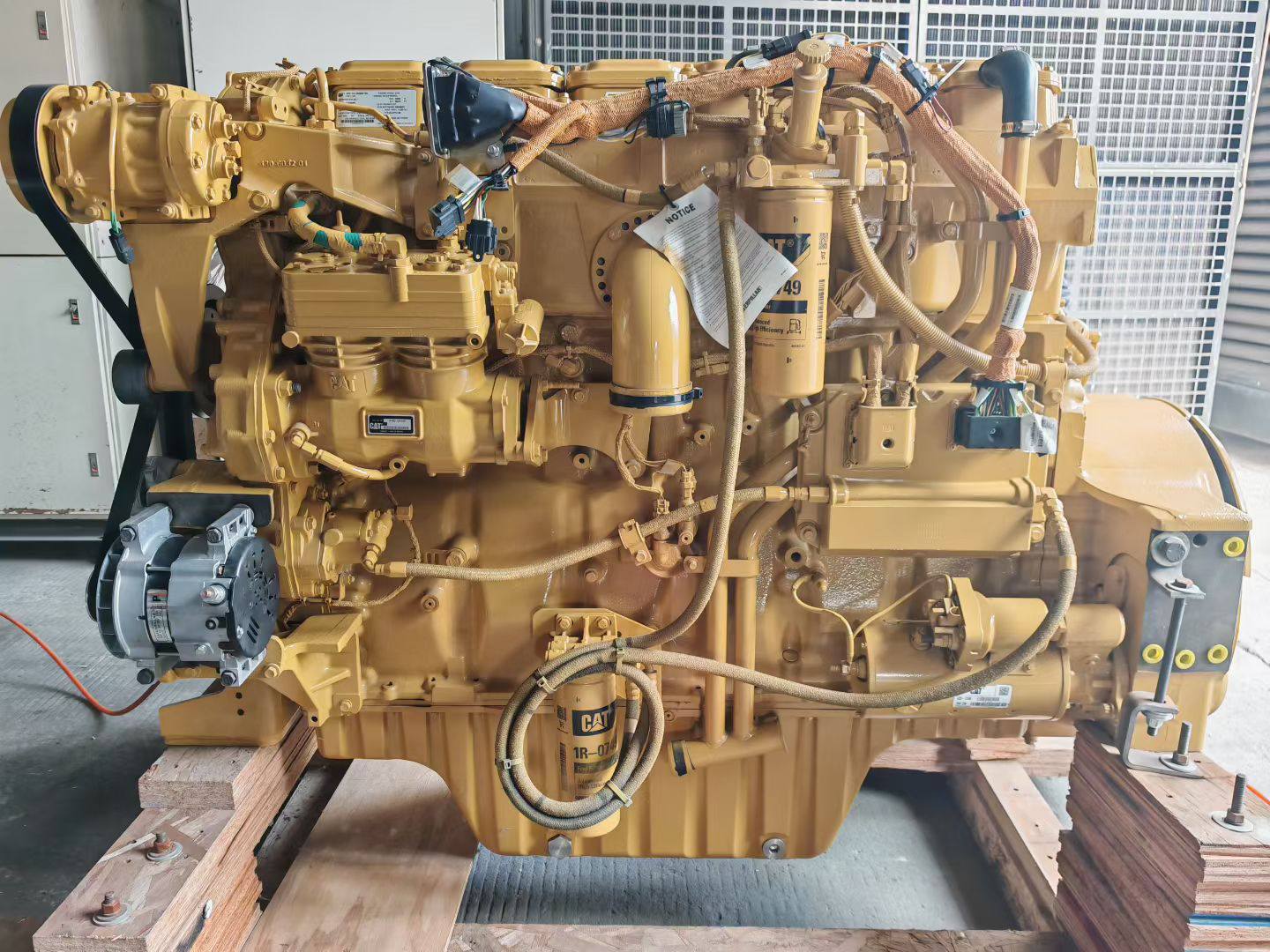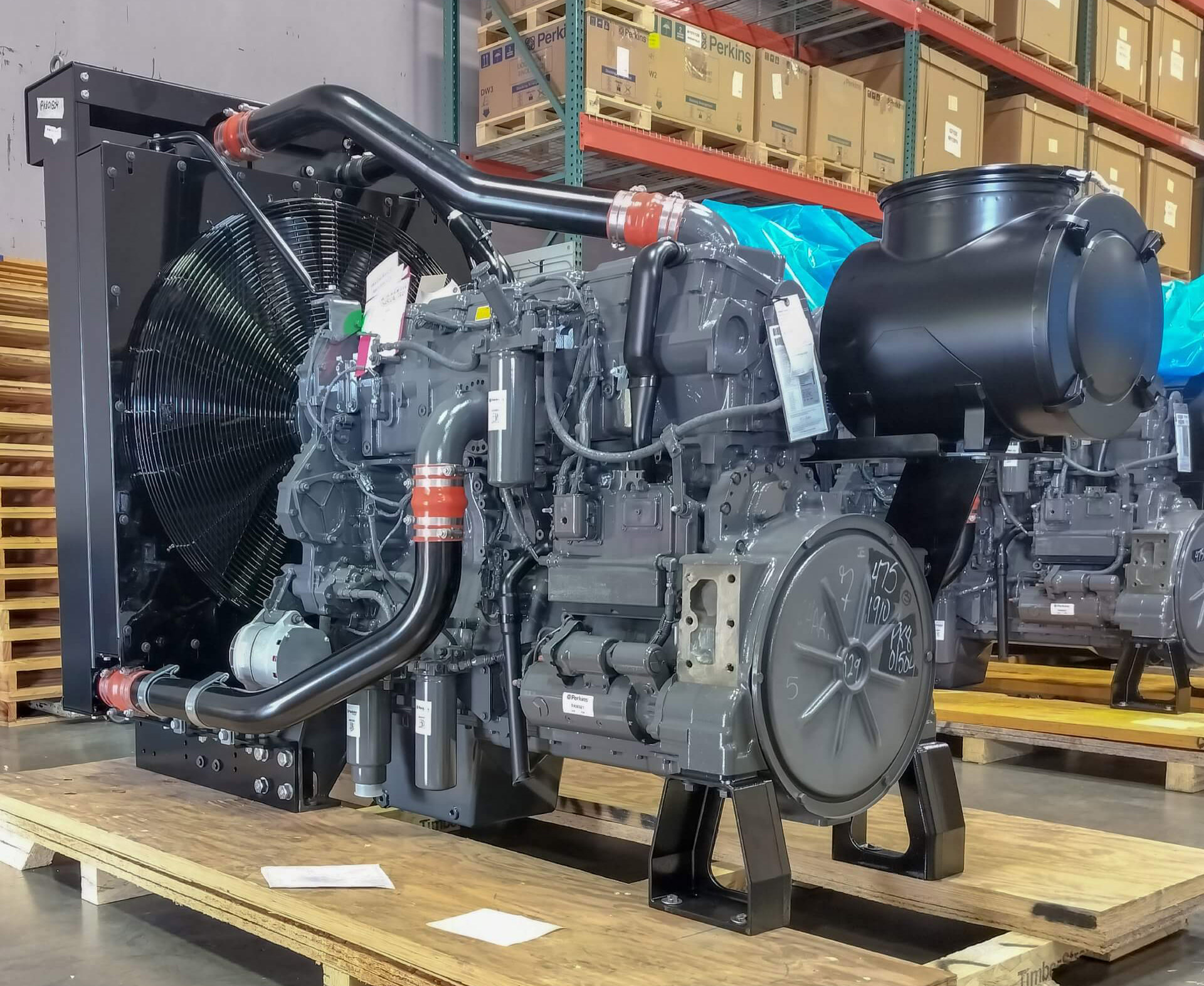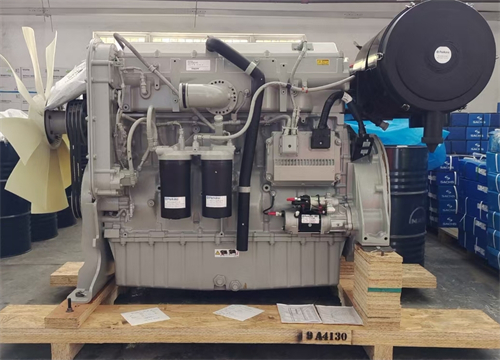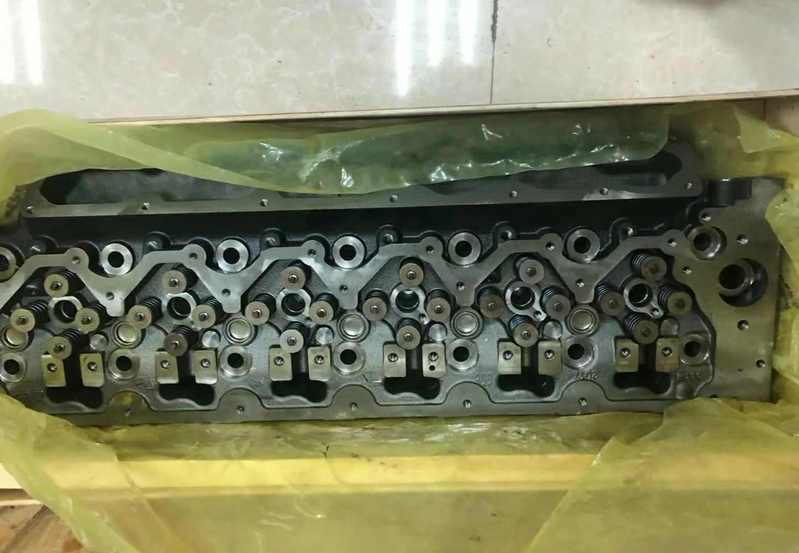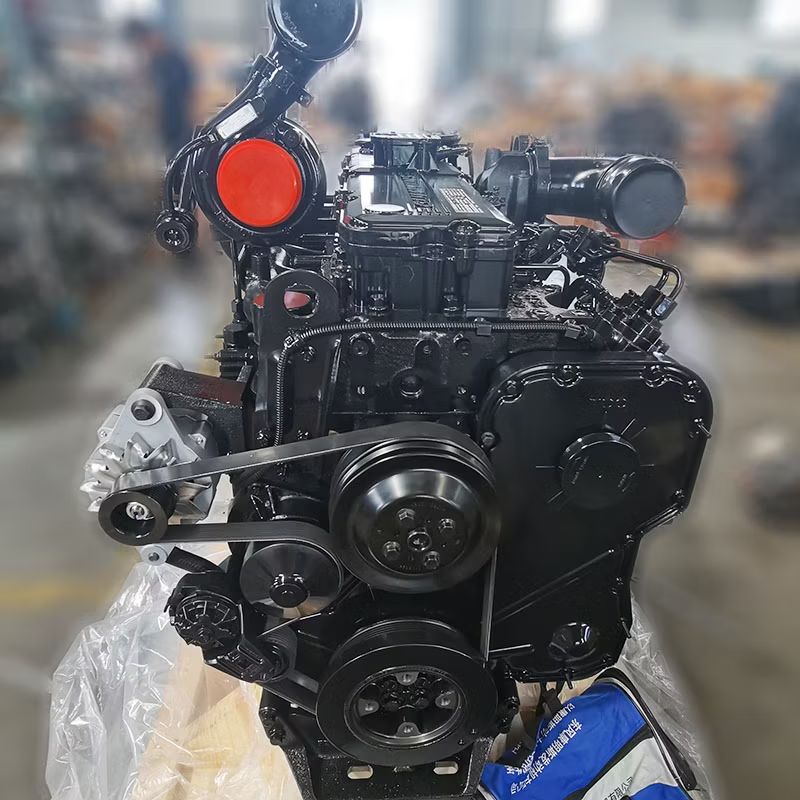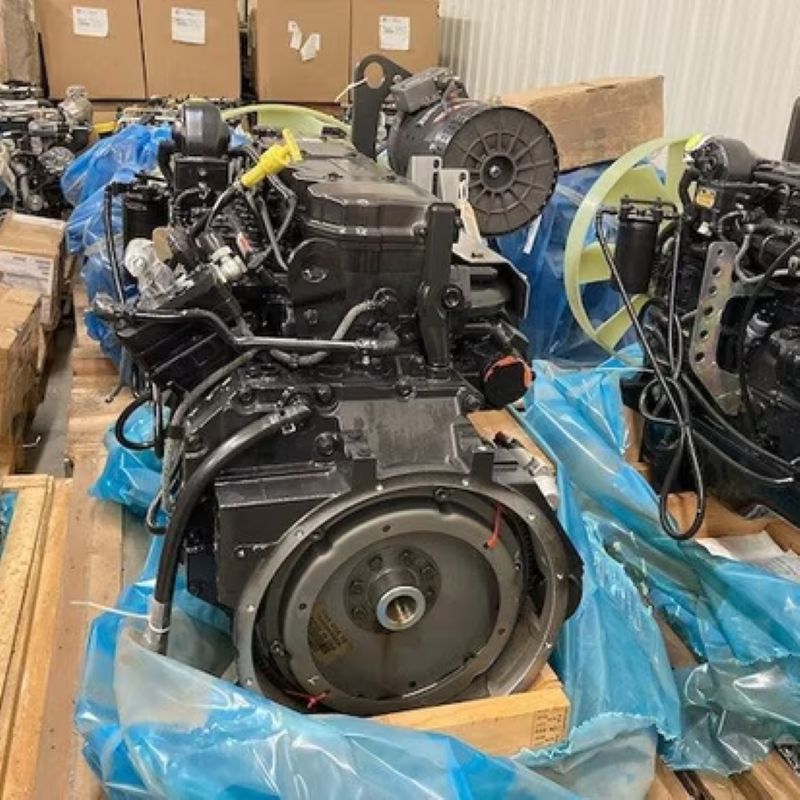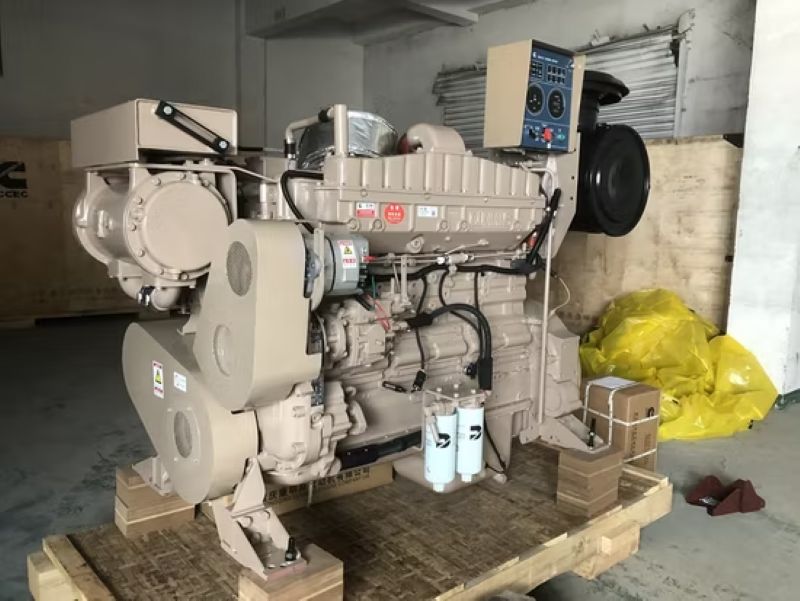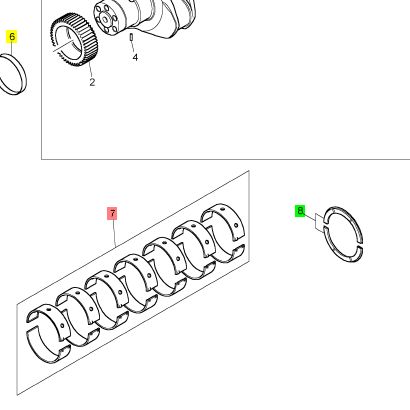

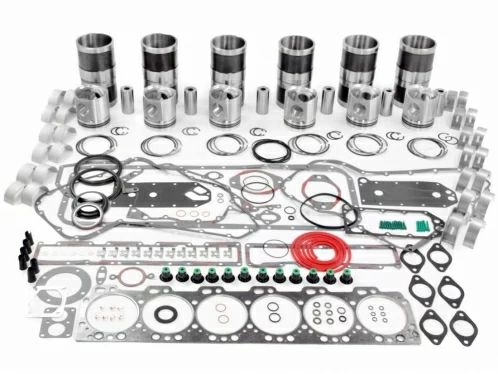
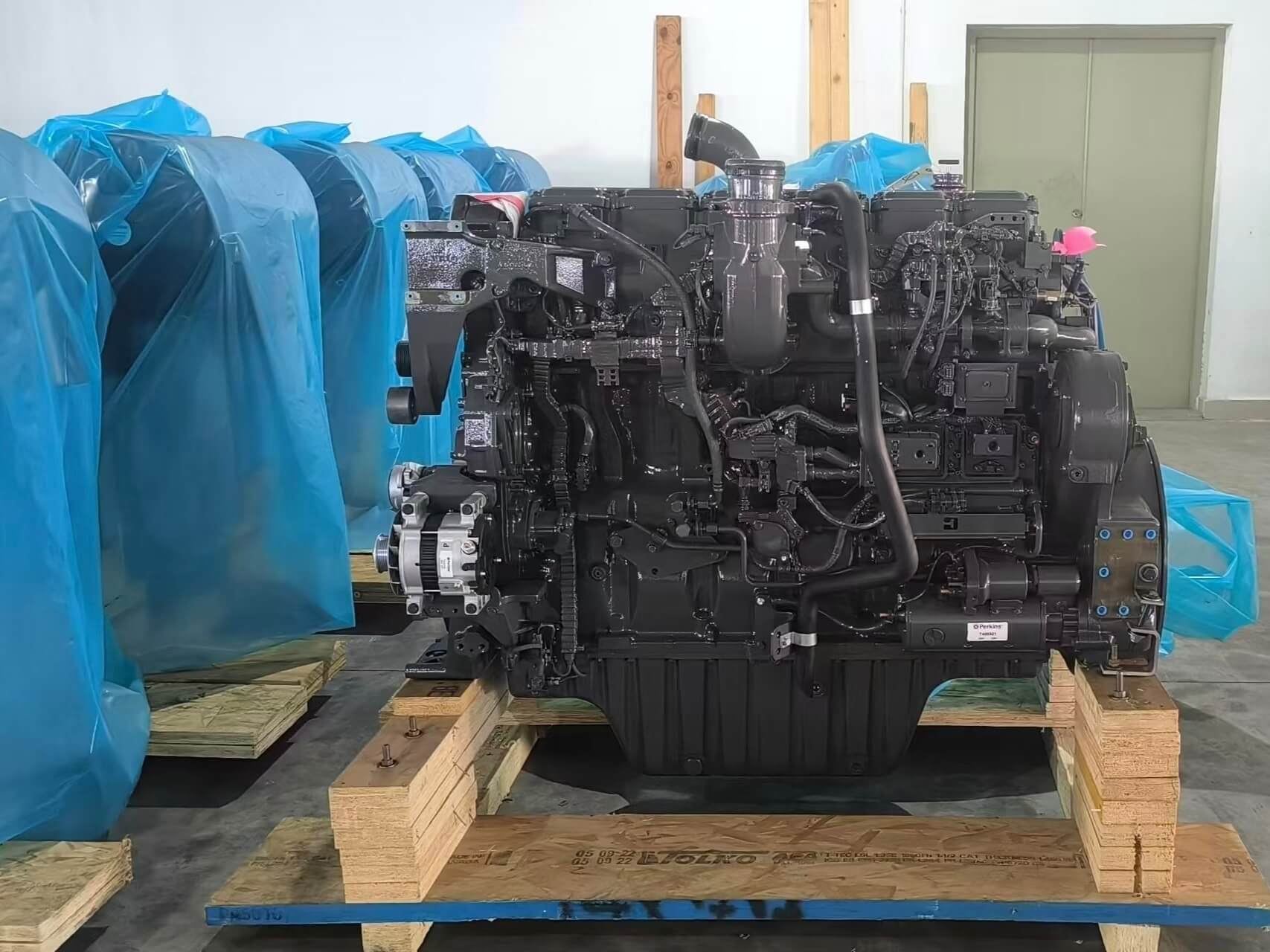
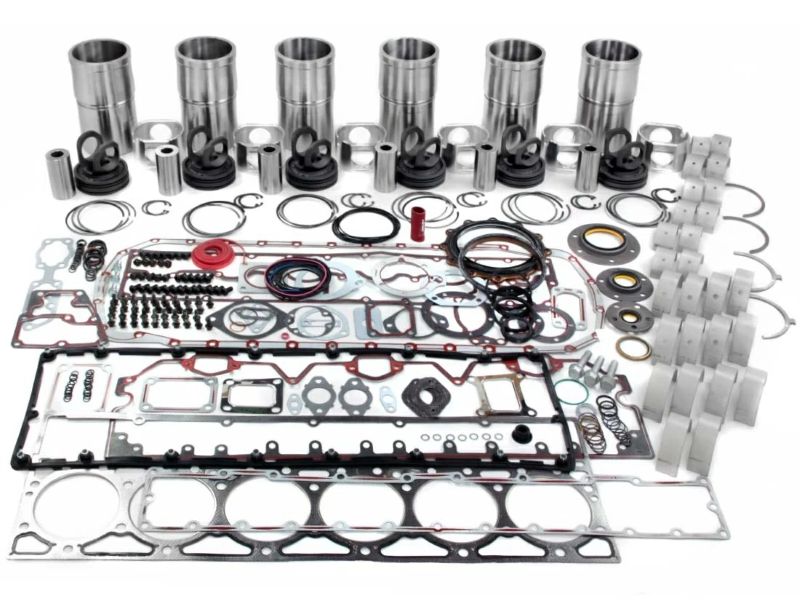
Cummins 6CTA8.3 overhaul kits are available for top-end repair, in-frame rebuilding, complete engine overhaul and customized component supply. Packages can be prepared for marine engines, generator sets, construction machinery, industrial equipment, pumps, agricultural machinery and other installations using the Cummins C Series 8.3-liter platform.
The 6CTA8.3 is an 8.3-liter inline six-cylinder diesel engine with turbocharging, aftercooling, an inline injection pump and replaceable wet cylinder liners. Although it shares core C Series architecture with the 6C and 6CT, piston specifications, cylinder-kit references, compression configuration, bearings, fuel-system components and application hardware can differ between engine builds.
ZEB Power selects Cummins 6CTA8.3 overhaul parts and cylinder kits using the Engine Serial Number, current piston or cylinder-kit reference, CPL, complete engine model, application and workshop measurements. Engine model, compression ratio or an old CPL table should not be used alone as the final ordering reference.
- Top-end, in-frame, complete and customized overhaul packages
- Matched piston, ring, liner and bearing components for six cylinders
- 6C, 6CT and 6CTA configuration separation before supply
- Marine, generator, construction, industrial and agricultural applications
- Inline injection-pump and injector identification
- Standard and approved repair-size bearing options where applicable
- Genuine Cummins and documented replacement alternatives
- Individual components, workshop packages and complete kit supply
6CTA8.3 Platform and Fitment Overview
| Selection Item | 6CTA8.3 Platform Information | Purchasing Significance |
|---|---|---|
| Engine architecture | 8.3 L inline six-cylinder, four-stroke diesel | A complete power-cylinder rebuild normally requires coordinated components for six cylinder positions. |
| Aspiration | Turbocharged and aftercooled | Piston thermal loading, turbocharger and aftercooler configuration must match the installed application. |
| Fuel system | Inline injection pump with application-specific injectors and governor arrangement | Pump, injector and timing-related components should be identified separately from the mechanical overhaul kit. |
| Cylinder construction | Replaceable wet cylinder liners | Liner design, seals, installation features and current replacement numbers must be confirmed. |
| Piston configuration | Application- and CPL-specific piston crown, bowl, ring and pin combination | The latest piston number or approved cylinder-kit reference should be checked before ordering. |
| Repair programs | Top-end, in-frame, complete or customized | The correct scope depends on inspection and measurement rather than one symptom or operating-hour figure. |
| Primary applications | Marine, generator, construction, industrial, pump and agricultural equipment | Rating, cooling, fuel-system arrangement and supporting hardware can change the final BOM. |
| Selection method | ESN and current parts information supported by piston number, CPL and physical inspection | Reduces the risk of receiving incorrect pistons, liners, rings, bearings or gasket groups. |
6C, 6CT, 6CTA and Electronic 8.3L Engines Are Not the Same Kit
The C Series 8.3-liter engines share important dimensions and development history, but their aspiration, fuel-system generation, piston configuration and application components can differ. Compatibility must be established through current part numbers rather than family resemblance.
| Engine Platform | General Configuration | Selection Risk |
|---|---|---|
| 6C8.3 | C Series 8.3-liter engine used across pump, marine, industrial and oil-and-gas applications | Application, aspiration and piston-related components must be checked through the individual engine build. |
| 6CT8.3 | Turbocharged C Series configuration | Do not assume that 6CTA pistons, gaskets, air-system parts or complete overhaul kits fit every 6CT. |
| 6CTA8.3 | Turbocharged and aftercooled C Series configuration | Aftercooling, rating, piston specification and application hardware affect kit selection. |
| ISC8.3 and QSC8.3 | Later electronically controlled 8.3-liter engine platforms | Fuel system, electronics, pistons, cylinder components and gasket programs can differ from 6CTA8.3. |
Individual filters, seals or accessories may share part numbers across selected configurations. This does not establish compatibility for pistons, rings, liners, bearings or complete overhaul packages.
How to Identify the Correct 6CTA8.3 Overhaul Kit
The current engine-specific parts information should be checked whenever the ESN is available. The latest piston number, cylinder-kit number and CPL provide additional confirmation, particularly when the engine has previously been rebuilt or modified.
| Identification Reference | What It Confirms | How It Should Be Used |
|---|---|---|
| Engine Serial Number | The individual factory-built engine configuration | Use to locate engine-specific parts, option information, current kit numbers and supersessions. |
| Current piston part number | Piston crown, bowl, compression height, pin and ring-groove configuration | Use as a primary cylinder-component cross-reference when the number is available. |
| Cylinder-kit or liner number | The installed piston, liner, ring and sealing combination | Compare with the current approved replacement package. |
| CPL | The controlled parts grouping assigned to the engine | Use as a supporting overhaul-kit lookup and configuration reference. |
| Complete engine model | 6C, 6CT, 6CTA and the application-specific suffix | Use to distinguish aspiration, rating, application and supporting systems. |
| Fuel-pump and injector numbers | The installed injection-pump, governor and injector configuration | Required when the repair includes fuel-system components. |
| Bearing markings | The previously installed standard or repair size | Use as preliminary information and verify through crankshaft measurements. |
| Compression ratio | Supporting information about the piston and rating family | Do not use alone because similar ratios may appear with different piston or kit references. |
| Static CPL matrix | A historical cross-reference covering selected engine builds | Verify against current parts information before accepting the listed kit. |
| Workshop measurements | Actual condition after wear, machining or previous repairs | Use for final bearing-size, block-machining and repair-scope decisions. |
If the Dataplate Is Missing
Provide the stamped ESN where available, complete equipment or vessel model, injection-pump number, injector number, piston reference, liner or cylinder-kit number, connecting-rod number, bearing markings and clear photographs of the removed parts.
Physical identification can support the selection process, but it should not replace engine-specific parts verification when the ESN can still be recovered.
Application-Specific Configuration
The application must be identified before the final overhaul BOM is approved. Engines with the same 6CTA8.3 designation may use different ratings, cooling arrangements, flywheel housings, fuel-system settings and auxiliary components.
| Application | Main Configuration Considerations | Information Required |
|---|---|---|
| Marine propulsion | Variable-speed rating, heat-exchanger cooling, marine exhaust and vessel controls | Complete marine model, power rating, rated speed, vessel type, cooling arrangement and certification requirements |
| Marine auxiliary power | Fixed-speed operation, vessel cooling and generator or hydraulic load | Engine suffix, frequency, rated speed, auxiliary rating and installed cooling system |
| Generator sets | Fixed-speed operation, prime, standby or continuous duty and generator-system controls | Generator model, frequency, rated speed, duty class, rating and cooling package |
| Construction and mining equipment | Dust, vibration, variable load, high ambient temperature and restricted cooling airflow | Equipment model, engine rating, duty cycle, air-intake history and cooling condition |
| Industrial pumps and power units | Fixed or variable operating speed, continuous loading and accessory-drive configuration | Driven equipment, rated speed, original power setting, coupling and cooling arrangement |
| Agricultural machinery | Seasonal high load, dust exposure, extended operating periods and equipment-specific accessories | Machine model, rating, operating environment, air filtration and previous repair history |
Choose the Repair Scope from Inspection Results
| Repair Scope | Main Objective | Typical Supply Area | Required Verification |
|---|---|---|---|
| Top-End Repair | Restore cylinder-head sealing and valve-train condition | Head gasket, upper gasket group, valve-stem seals and selected cylinder-head components | Pistons, rings, liners, bearings and the lower engine must remain suitable for continued service. |
| In-Frame Rebuild | Restore the six-cylinder power assembly while the crankshaft remains installed | Pistons, rings, liners, liner seals, connecting-rod bearings and gasket groups | Crankshaft journals, connecting rods, main-bearing area, block and lubrication system must remain suitable. |
| Complete Overhaul | Inspect and rebuild the power-cylinder and lower-engine systems | In-frame components plus main bearings, thrust components and lower-end parts identified after disassembly | Required when the crankshaft, main-bearing area, camshaft system or block needs full removal, inspection or machining. |
| Customized Parts Package | Replace only the components confirmed as unserviceable | Selected cylinder components, bearings, gaskets, pumps, head parts or fuel-system components | Requires a documented inspection and approved itemized BOM. |
Low oil pressure, smoke, blowby, oil consumption or low compression cannot individually determine the repair scope. Each symptom may result from several mechanical, lubrication, cooling, fuel-system or measurement conditions.
Six-Cylinder Component Matching
A complete 6CTA8.3 power-cylinder rebuild normally requires coordinated components for all six cylinder positions. The piston, ring set, liner, seals, pin, connecting rod and cooling arrangement must be checked as a compatible group.
| Component | Full-Engine Supply Logic | Compatibility Check |
|---|---|---|
| Complete cylinder kits | One approved kit for each of the six cylinder positions | Confirm the piston, ring pack, liner, pin and installation components included in each kit. |
| Piston assemblies | Six matched pistons for a complete power-cylinder rebuild | Confirm crown, bowl, compression height, pin and current part number. |
| Piston-ring sets | One matched set for each piston | Ring size, profile, coating and groove dimensions must correspond to the piston and liner. |
| Wet cylinder liners | One approved liner for each cylinder | Confirm bore, installation design, sealing features and current replacement number. |
| Liner seals and O-rings | One complete installation group for each liner | Seal material and arrangement must match the liner and block configuration. |
| Piston pins and retainers | Supplied according to the approved piston package | Confirm diameter, length and connecting-rod compatibility. |
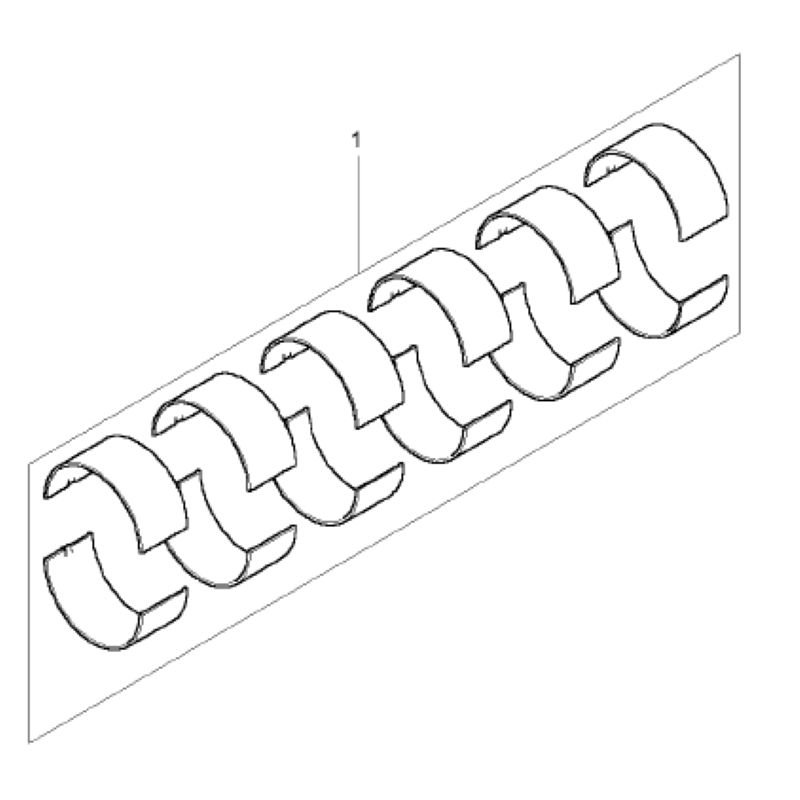
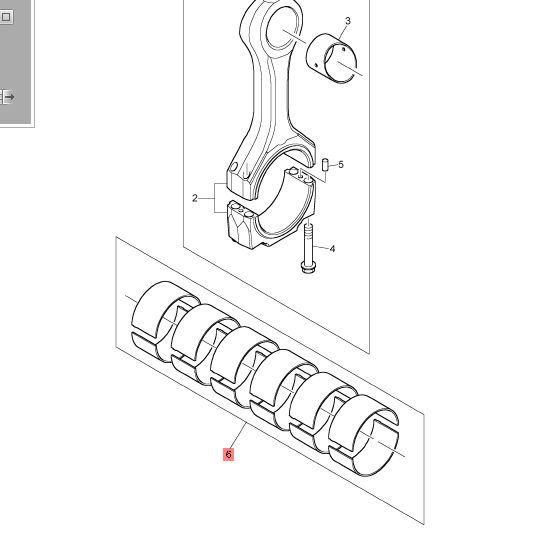
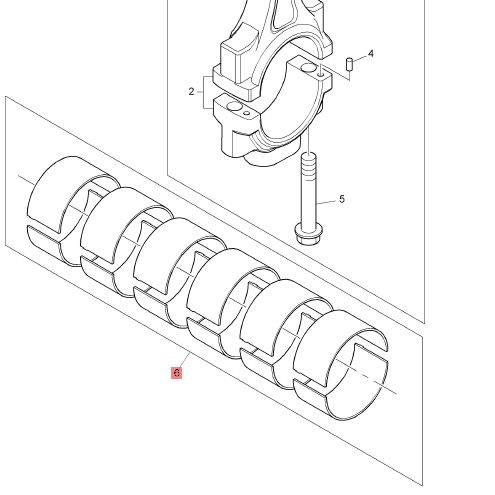
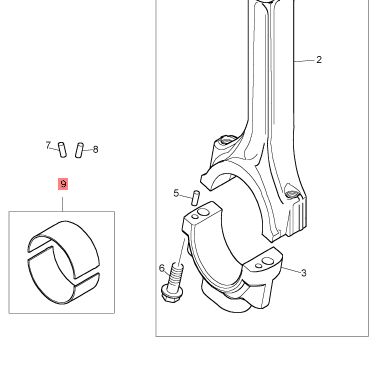
| Connecting-rod bearings | A complete bearing group for all six connecting rods when included | Confirm shell quantity, oil-hole arrangement and measured bearing size. |
| Piston-cooling nozzles | One inspection position for each cylinder | Check part number, flow, alignment, blockage and physical damage. |
| Gasket and seal groups | Upper, lower and cylinder-installation seals according to repair scope | Final contents depend on the exact kit number and supplier package. |
If the current replacement program changes the original piston, ring or liner combination, the approved replacement may need to be supplied as a complete cylinder kit rather than as an isolated component.
Typical Kit Contents
Kit names and contents differ between Cummins and independent suppliers. Purchasing approval should be based on an itemized bill of materials rather than the package name alone.
| Component Category | Top-End | In-Frame | Complete Overhaul |
|---|---|---|---|
| Head gasket and upper gasket group | Typically included | Typically included | Typically included |
| Valve-stem seals | Typically included | Typically included | Typically included |
| Valves, guides, seats and springs | Optional or quoted separately | Optional or quoted separately | Optional or quoted separately |
| Lower gasket and sealing group | Normally not included | Included or specified separately | Included or specified separately |
| Six piston, ring and liner groups | Not included | Typically included | Typically included |
| Connecting-rod bearings | Not included | Typically included according to the confirmed size | Typically included according to the confirmed size |
| Main-bearing set | Not included | May be included or quoted separately | Typically included according to the confirmed size |
| Thrust components | Not included | Optional or quoted separately | Included when listed in the approved BOM |
| Front and rear crankshaft seals | Normally not included | May be included or quoted separately | Typically included when specified |
| Camshaft bearings, bushings or followers | Not included | Normally quoted separately | Included only when required and correctly identified |
| Piston-cooling nozzles | Not included | Inspection item or optional replacement | Inspection item or optional replacement |
| Filters and commissioning consumables | Optional | Optional | Optional |
The quotation should state every part number, quantity, piston and liner reference, manufacturer, bearing size, component source, supplied fastener and exclusion.
Inspection and Workshop Measurements
A new overhaul kit cannot correct an unmeasured crankshaft, distorted connecting rod, damaged block, incorrect liner installation, blocked cooling nozzle, defective oil pump or contaminated cooling system.
| Inspection Group | Required Checks | Possible Effect on the Order |
|---|---|---|
| Crankshaft and bearings | Journal diameter, taper, out-of-round, scoring, surface condition, oil clearances and end play | Determines bearing size, machining requirements or crankshaft replacement. |
| Connecting rods and piston pins | Big-end bore, alignment, pin area, cracks, bushings and fastener condition | May require rod repair, replacement or revised piston-related components. |
| Block, liners and pistons | Deck condition, liner installation areas, cavitation, bore wear, piston damage, ring grooves and clearances | Confirms machining, cylinder-kit selection and liner-installation requirements. |
| Cylinder head and valve train | Flatness, cracks, valves, guides, seats, injector bores, camshaft, followers and rocker components | May require machining or components outside the standard kit. |
| Lubrication and cooling systems | Oil pump, pressure regulation, cooling nozzles, water pump, thermostats, coolant condition and contamination | Supporting-system repairs may be required before commissioning. |
| Fuel, turbocharger and air systems | Injection pump, injectors, fuel delivery, turbo condition, oil leakage, aftercooler and intake restriction | Fuel and air-system components must be identified and quoted separately. |
Measurements to Record
- Main-journal and connecting-rod-journal diameters
- Journal taper and out-of-round
- Main and connecting-rod bearing oil clearances
- Crankshaft end play
- Liner installation measurements required by the applicable service procedure
- Piston-to-liner clearance
- Piston-ring end gap
- Connecting-rod bore and piston-pin-area condition
- Cylinder-head flatness
The applicable service limits, torque values, fastener-reuse instructions and assembly procedures must correspond to the actual ESN, application and engine configuration.
Components Commonly Quoted Separately
| Component Group | Why It Is Usually Separate | Identification Required |
|---|---|---|
| Cylinder head and valve-train parts | Condition and machining requirements vary after inspection | ESN, cylinder-head reference and inspection report |
| Injection pump and injectors | Pump, governor, timing and injector specifications vary by build and rating | ESN, pump dataplate, injector number and complete engine model |
| Turbocharger and aftercooler components | Air-system configuration depends on rating and application | Turbocharger dataplate, engine rating and installed cooling arrangement |
| Oil and water pumps | Wear condition must be evaluated independently | Installed part numbers and inspection findings |
| Piston-cooling nozzles and fasteners | Flow, alignment, condition and fastener requirements depend on the exact configuration | Current part numbers and engine-specific service instructions |
| Rear crankshaft-seal package | Seal design, sleeve requirements and installation tooling may vary | ESN and installed seal arrangement |
| Marine cooling and exhaust components | Heat exchangers, seawater pumps, exhaust manifolds and related parts are installation-specific | Vessel model, engine rating and installed system references |
| Filters and commissioning fluids | Selected according to the installed filtration system and maintenance plan | Engine model, application and destination requirements |
Quality Options and BOM Transparency
| Supply Option | Description | Required Confirmation |
|---|---|---|
| Genuine Cummins | Parts supplied with Cummins packaging, current references and applicable traceability | Part numbers, packaging, supplier source, supporting documents and warranty terms |
| Documented Replacement Parts | Independent components supplied against declared material, dimensional and performance requirements | Manufacturer, materials, inspection reports, critical dimensions, tolerances and warranty |
| Aftermarket Parts | Third-party components whose specifications and quality controls vary by manufacturer | Manufacturer, dimensions, hardness, surface finish, quality records and claim conditions |
A mixed-brand BOM may be supplied when approved, but the manufacturer of each piston, ring, liner, bearing and critical gasket should be declared.
The term “OEM-equivalent” does not independently prove that a component was manufactured by a Cummins-authorized supplier, on the same production line or from identical materials. Supporting documents are required for such claims.
Information Required for a 6CTA8.3 Quotation
- Clear photograph of the engine dataplate
- Engine Serial Number and CPL
- Complete 6CTA8.3 model designation and suffix
- Vessel, generator set, machine or equipment model
- Application, rated power, speed and duty classification
- Injection-pump and injector numbers where available
- Required top-end, in-frame, complete or customized scope
- Current piston, liner or cylinder-kit part numbers
- Connecting-rod number where relevant
- Existing bearing markings and crankshaft measurements
- Previous crankshaft, block or cylinder-head machining
- Required quality level, quantity and destination
Packing, Shipping and Warranty Records
| Supply Item | Available Arrangement | Confirmation Point |
|---|---|---|
| Internal packing | Components separated, protected and labeled | Depends on the final BOM and component source |
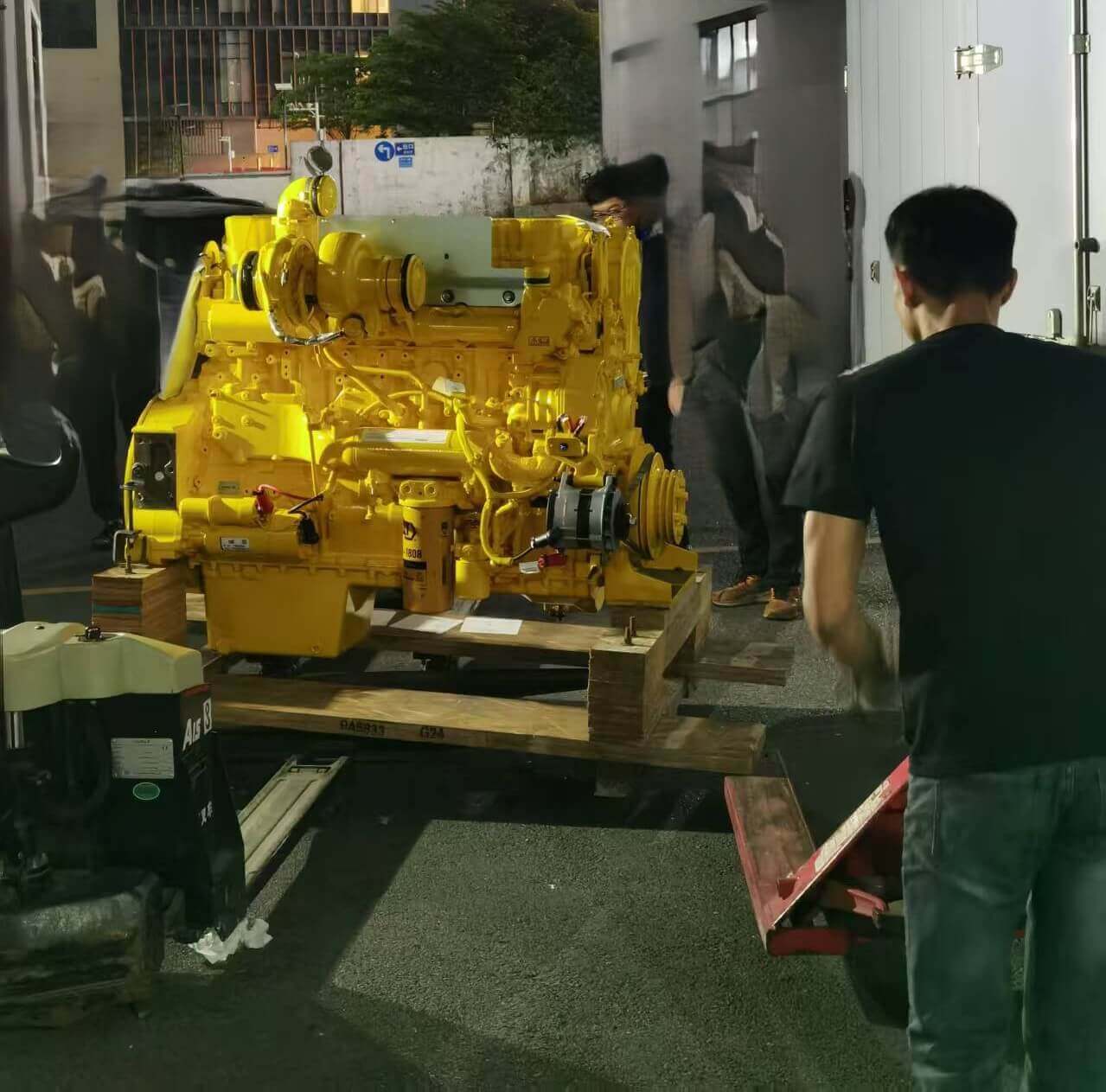
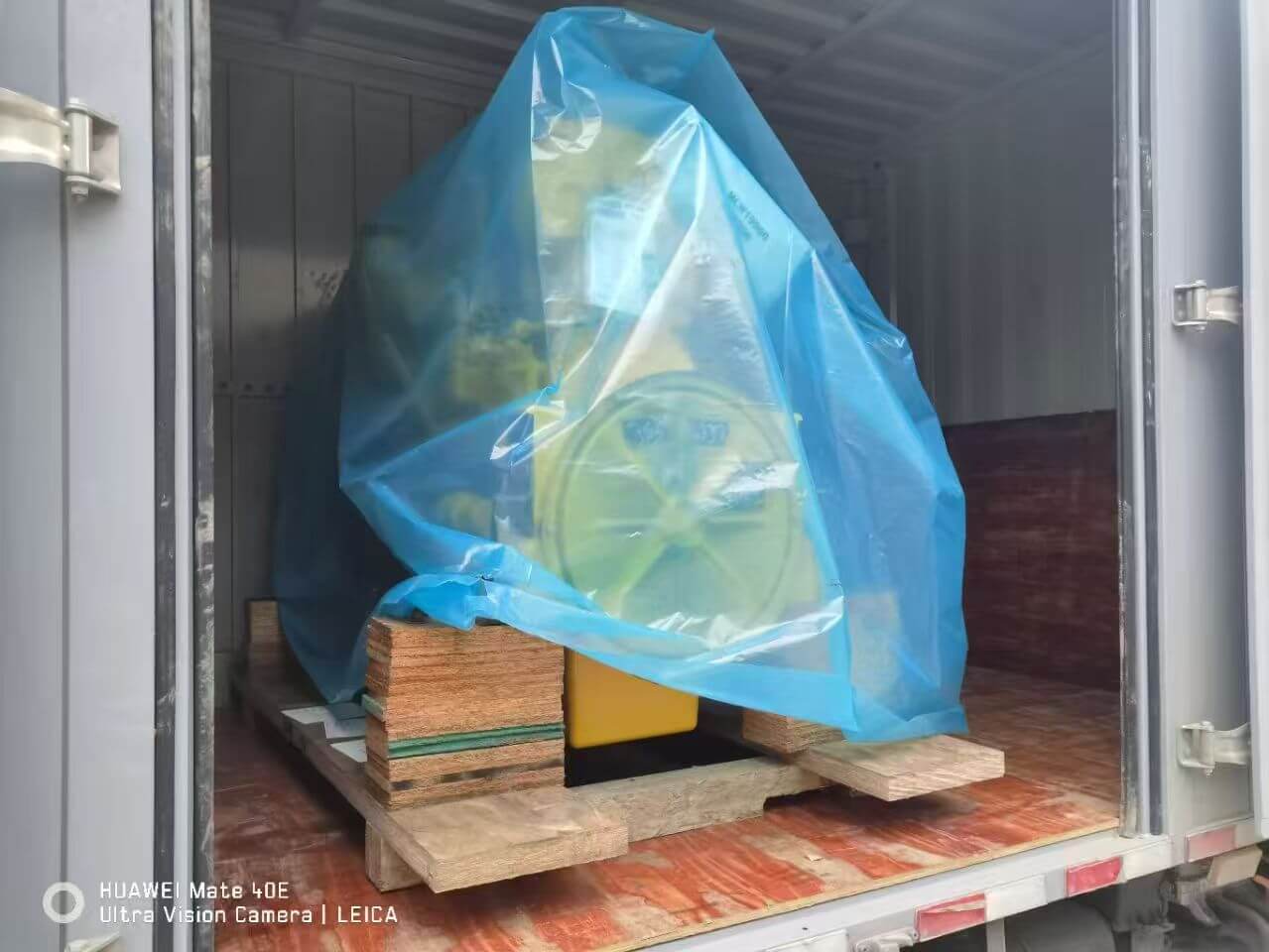
| Export packing | Protected cartons and wooden case where required | Depends on total weight, shipping route and destination |
| Corrosion protection | Protective oil, sealed bags or extended-storage packing | Confirm for sea freight and long-term storage |
| Shipping method | Courier, air freight, LCL or FCL sea freight | Select according to dimensions, urgency and destination |
| Trade terms | EXW, FOB, CFR, CIF, DAP or other agreed terms | Subject to destination and final quotation |
| Export documents | Commercial invoice, packing list and agreed supporting documents | Additional certificates and customs documents depend on the transaction |
Lead time, gross weight, packing dimensions, freight cost and warranty conditions should only be confirmed after the exact BOM, piston and liner configuration, component source, quantity and destination have been approved.

Records Required for Installation and Warranty Review
- Final supplied BOM and component-manufacturer records
- Piston, ring and cylinder-liner identification
- Crankshaft, block and connecting-rod measurements
- Bearing, liner, piston and ring-clearance records
- Fastener, torque and assembly records
- Fuel, lubrication, cooling and commissioning checks
- Initial oil pressure, temperature, smoke and operating observations
Frequently Asked Questions
Can I order a 6CTA8.3 overhaul kit using only the engine model?
No. The ESN, CPL, complete model, application and current piston or cylinder-kit references should be provided whenever available.
Should the ESN, piston number or CPL be used first?
The ESN should be used to locate engine-specific parts information. The current piston or cylinder-kit number and CPL then provide additional fitment confirmation.
Why are 6CT and 6CTA overhaul kits not automatically identical?
The 6CT is turbocharged, while the 6CTA includes aftercooling. Rating, piston specification, gaskets, air-system components and application hardware can therefore differ.
Can a 6CTA8.3 kit fit a 6C8.3 or 6CT8.3 engine?
Only when the current piston, liner, ring, bearing and gasket references are confirmed as compatible. Family name or displacement alone is insufficient.
Can the same kit be used for ISC8.3 or QSC8.3?
Compatibility should not be assumed. ISC and QSC engines use later electronic fuel and control systems and can have different internal-component programs.
How many cylinder kits are required for a complete rebuild?
The engine has six inline cylinders, so a complete power-cylinder rebuild normally uses six matched piston, ring and liner groups.
What is the difference between an in-frame and complete overhaul?
An in-frame rebuild normally replaces the power-cylinder components and connecting-rod bearings while the crankshaft remains installed. A complete overhaul includes full lower-engine inspection and the additional parts identified after disassembly.
How is the correct bearing size selected?
The crankshaft journals must be measured and the existing bearing markings reviewed. Bearing size should not be selected from the model or CPL alone.
Does the compression ratio identify the correct kit?
Not by itself. Compression ratio is supporting information, but the piston number, CPL, cylinder-kit reference and ESN-specific parts information provide more reliable identification.
Are oversize pistons automatically available?
Do not assume that an oversize piston is the correct repair method. Availability and repair strategy depend on the current parts program, liner system, block condition and machining results.
Must piston-cooling nozzles be replaced during every rebuild?
No. They should be inspected for flow, alignment, blockage and damage. Replacement and fastener reuse must follow the applicable part number and service procedure.
Are the cylinder head, injection pump, injectors and turbocharger included?
These components are not normally assumed to be included in a standard mechanical overhaul package. They should be inspected, identified and listed separately when required.
Is there one recommended overhaul interval for every 6CTA8.3?
No. Overhaul planning should consider application, operating hours, load factor, maintenance history, oil analysis, blowby, oil consumption, cooling condition and physical measurements.
Can individual overhaul components be ordered?
Yes. Pistons, rings, liners, bearings, gasket groups, cooling nozzles, filters and supporting parts can be supplied separately after identification.
Request a 6CTA8.3 BOM Check
An engine-specific bill of materials helps prevent mismatched pistons, rings, wet liners, bearings, gaskets and fuel-system components. Previous machining, cylinder-kit updates and mixed component revisions should be disclosed before ordering.
Get Your Engine & Parts Quote
Upload your parts list or send your ESN — we reply within 30 minutes. Engine down? Need fast replacement? Contact us to check today’s stock & delivery time.