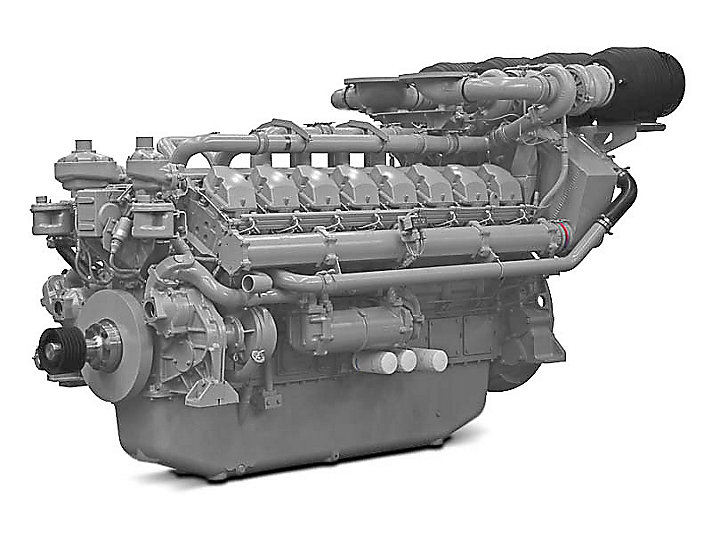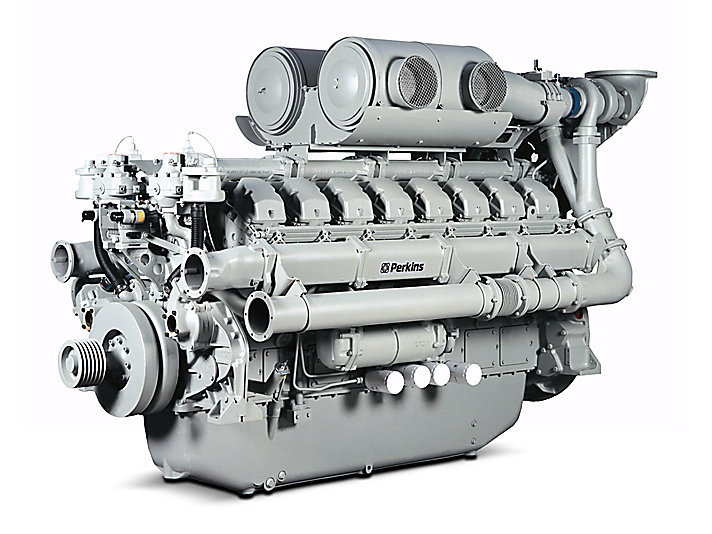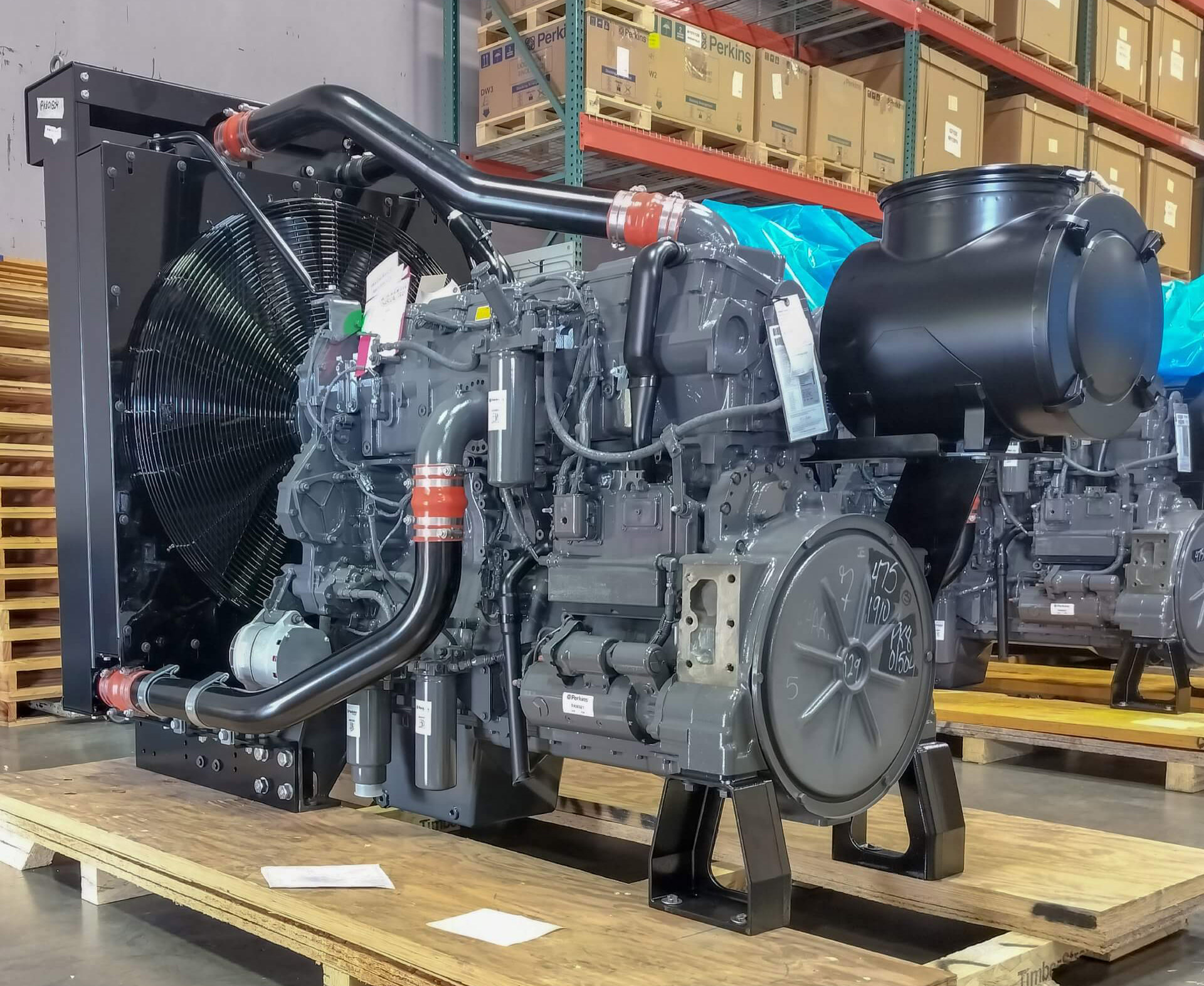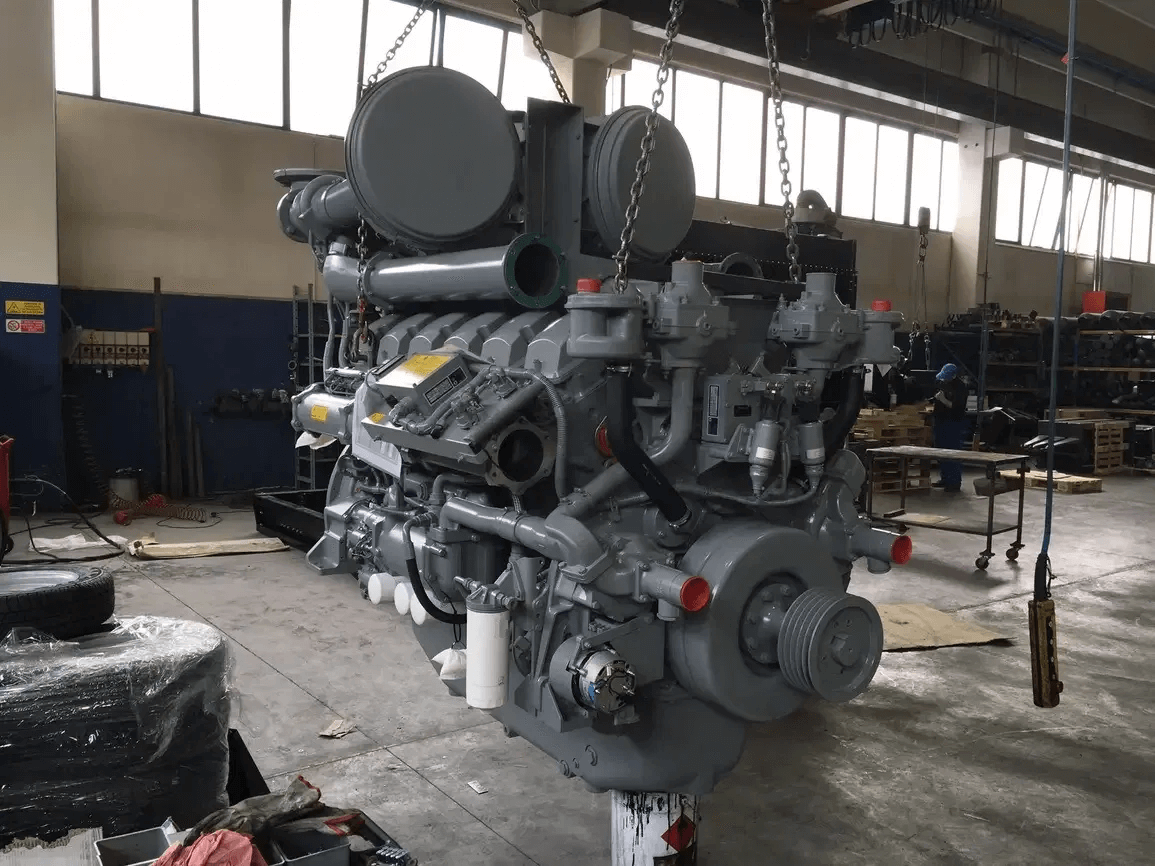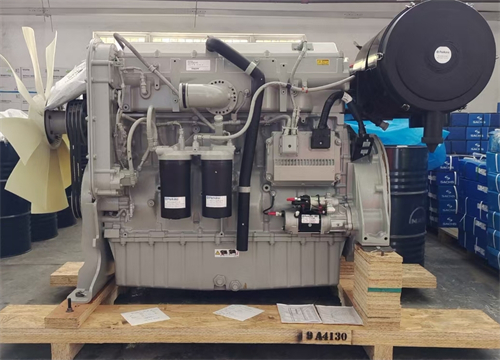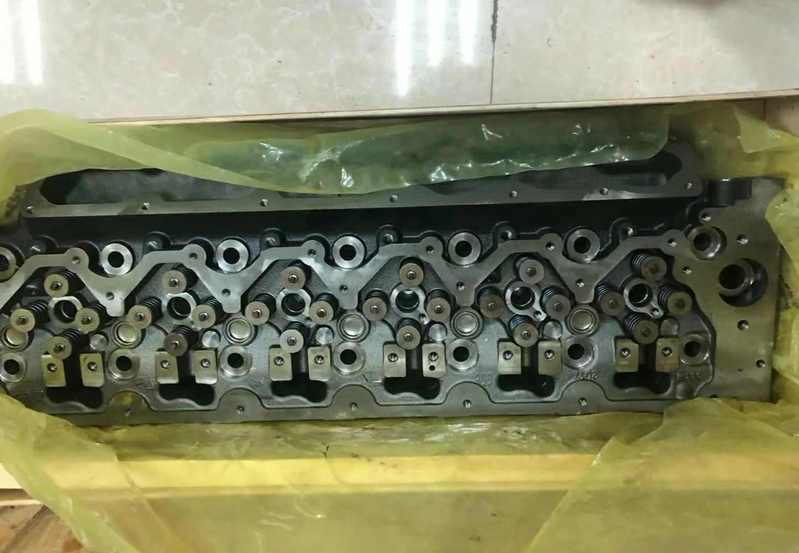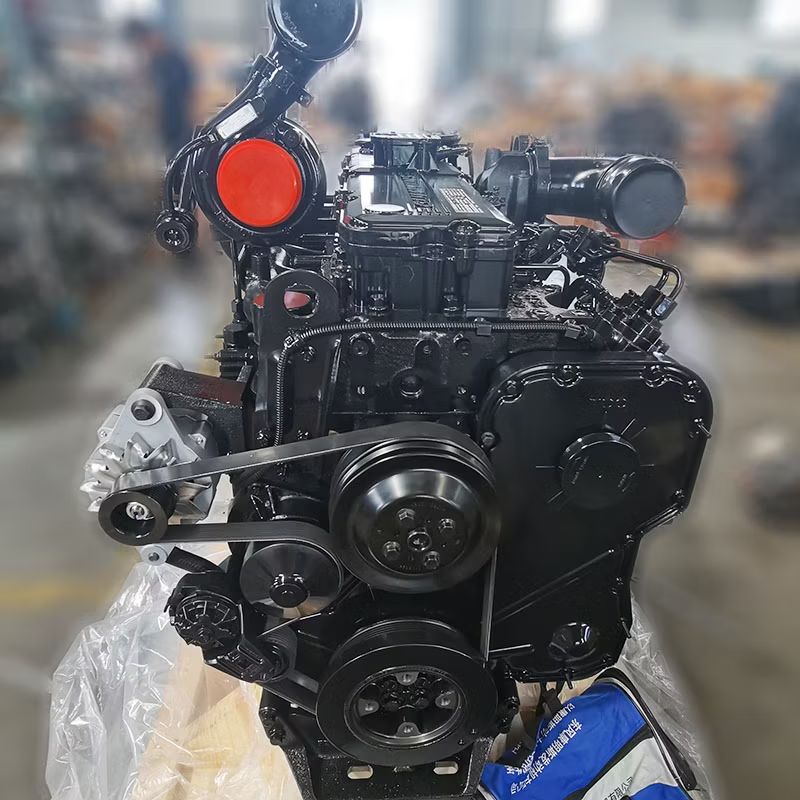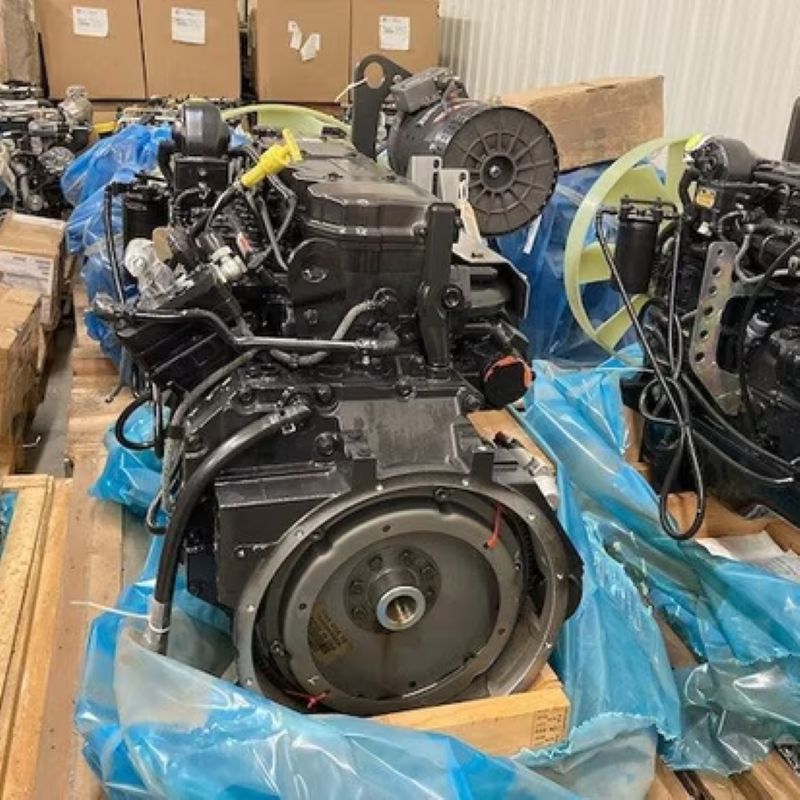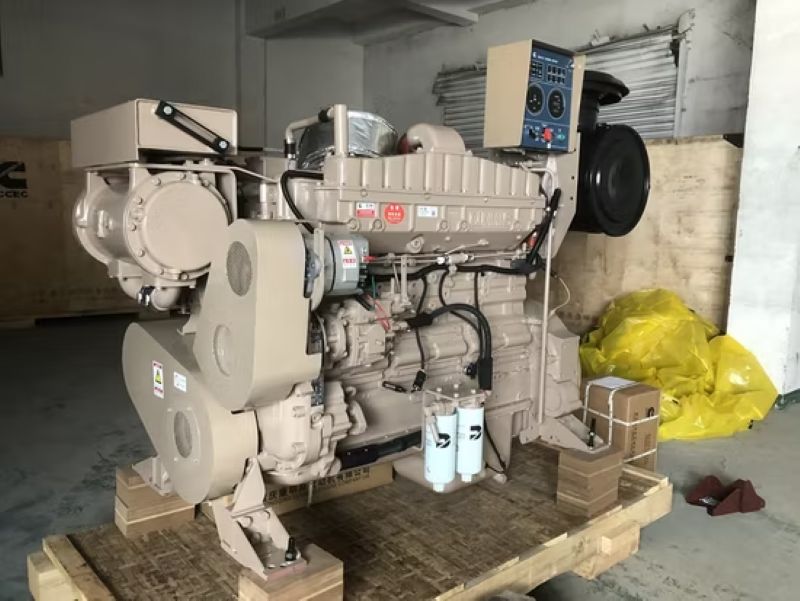

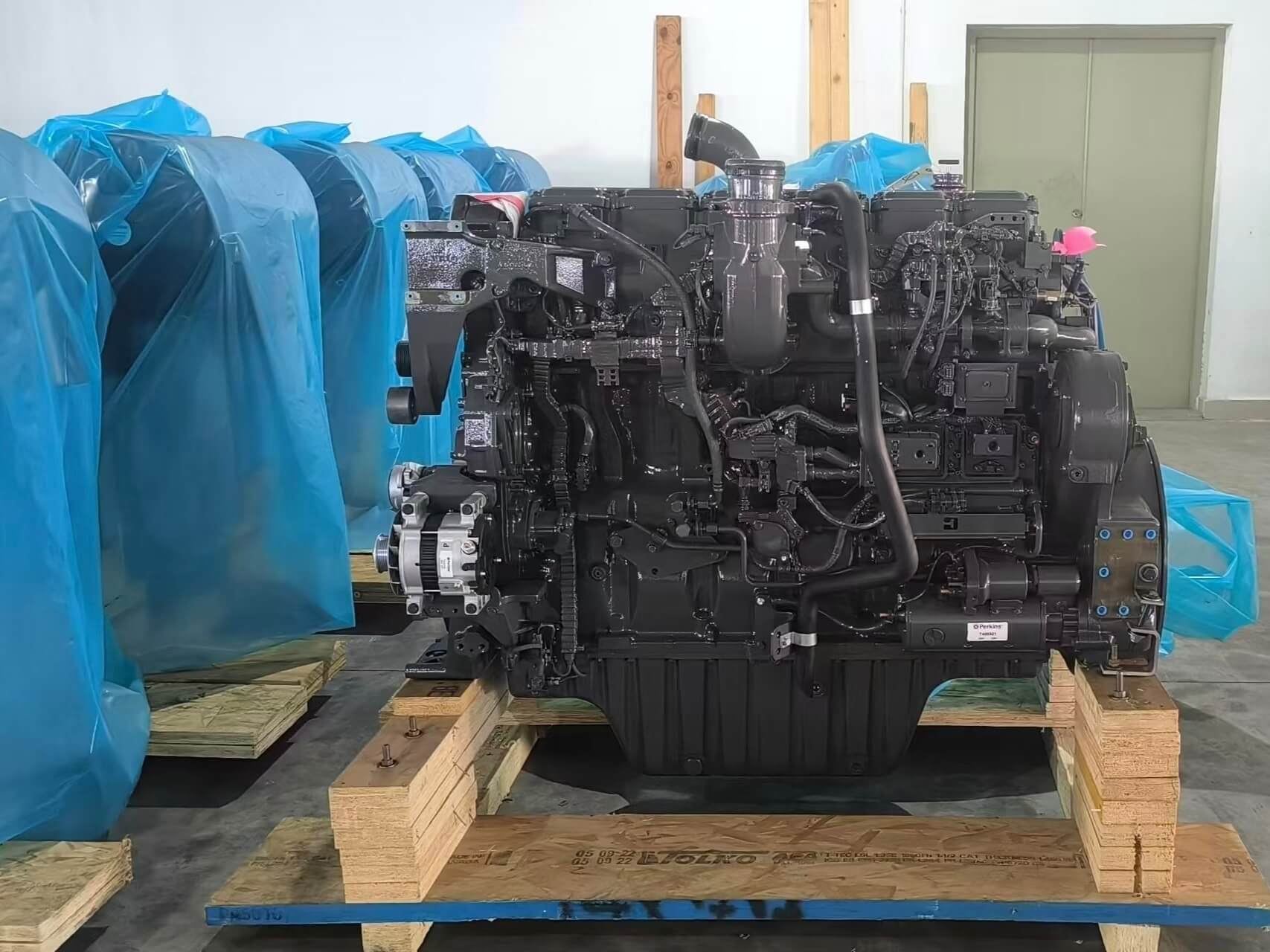
The Perkins 2806C-E18TTAG7 is an 18.1-litre, six-cylinder ElectropaK engine positioned at the upper end of the Perkins 2800 Series generator-drive range. It is rated exclusively in the supplied data at 1800 rpm for 60 Hz generator sets, delivering 850 kVA prime and 938 kVA standby.
Unlike the Fuel Optimised 2806A TTAG engines, the 2806C-E18TTAG7 is identified as an EU Stage II / EPA Tier 2 configuration. Its series twin-turbocharging system supports the higher TTAG7 power level, but also makes transient-load behaviour, control calibration and commissioning tests important parts of the generator-set design.
Start with the 60 Hz Requirement
The supplied specification lists only an 1800 rpm rating for Build List JGMF8094 / JGM8094. No 1500 rpm or 50 Hz rating is provided. The engine should therefore be evaluated as a dedicated 60 Hz platform rather than presented as a dual-frequency engine.
| Selection Requirement | TTAG7 Position |
|---|---|
| Rated Speed | 1800 rpm |
| Generator Frequency | 60 Hz |
| Prime Rating | 850 kVA / 680 kWe |
| Standby Rating | 938 kVA / 750 kWe |
| Emissions Configuration | EU Stage II / EPA Tier 2, according to the supplied product information |
| Build Identification | JGMF8094 / JGM8094 with complete ESN verification |
Buyers needing a 1500 rpm platform should not assume that TTAG7 can be converted to 50 Hz by changing the governed speed. A different approved engine build and generator-set configuration must be selected for a 50 Hz project.
850–938 kVA Power Envelope
The TTAG7 has two published duty points at 1800 rpm. The prime and standby ratings describe different operating duties and should not be used interchangeably in project sizing.
| Duty | Gross Engine Power | Net Engine Power | Generator Output | Electrical Output |
|---|---|---|---|---|
| Prime | 747 kW (1002 hp) | 716 kW (960 hp) | 850 kVA | 680 kWe |
| Standby | 821 kW (1101 hp) | 790 kW (1059 hp) | 938 kVA | 750 kWe |
Prime and Standby Are Operating Classifications
Prime power applies to the approved variable-load duty of the complete generator set. Standby power is the higher emergency rating and remains subject to the applicable operating-hour and loading limits. A project requiring regular operation should not be sized from the 938 kVA standby figure alone.
The final generator output also depends on alternator efficiency, rated voltage, power factor, cooling conditions and the generator-set manufacturer’s approved rating. Engine power and published kVA should be reviewed together rather than treated as independent specifications.
Why the Series Twin-Turbo System Matters
The 2806C-E18TTAG7 uses two turbochargers arranged as a series-turbocharging system with air-to-air charge cooling. This differs from the lower-output TAG and Fuel Optimised TTAG configurations in the broader 2806 range.
The series-turbo arrangement supports the TTAG7 power level, but the supplied technical information also notes comparatively lower step-load acceptance. This means the engine may respond differently when a large electrical load is applied suddenly.
Step-Load Questions to Resolve Before Commissioning
- What is the largest single load step expected at the site?
- Which motors, compressors, pumps or UPS systems have high starting demand?
- What voltage and frequency dip limits are acceptable?
- How will the controller sequence large loads?
- Does the alternator have sufficient transient capability?
- Will load-bank testing include realistic step-load events?
Controller tuning, load sequencing and commissioning tests should be planned around the actual facility load profile. The 938 kVA standby rating does not by itself confirm that the generator set can accept every possible block load without an unacceptable frequency or voltage deviation.
Applications That Require System-Level Review
The TTAG7 power class may be evaluated for data centres, telecommunications infrastructure, industrial facilities, mining sites and other large backup-power installations. In each case, the application must be defined by its load behaviour rather than only by total connected kVA.
| Application | Critical Information to Confirm |
|---|---|
| Data Centre Backup | UPS interaction, transfer sequence, cooling loads, redundancy design and allowable frequency deviation |
| Telecommunications Infrastructure | Rectifier load, battery-charger demand, remote-site temperature and refuelling strategy |
| Industrial Facilities | Motor starting, process sequencing, compressor loads and critical shutdown requirements |
| Mining and Remote Sites | Altitude, dust, ambient temperature, fuel quality, maintenance access and large motor loads |
| Parallel Generator Plants | Synchronization, protection, load sharing, controller compatibility and operating sequence |
Emissions Position: 2806C Rather Than 2806A
The “C” prefix distinguishes this engine from Fuel Optimised 2806A models. The supplied information identifies the 2806C-E18TTAG7 as compliant with EU Stage II / EPA Tier 2 requirements.
The applicable emissions documents should still be reviewed against the destination country, project specification and date of manufacture. A model-family statement should not replace the exact documentation required for customs clearance, tender approval or local registration.
Buyers considering lower-output Fuel Optimised alternatives can compare the 2806A-E18TTAG4 and 2806A-E18TTAG5. These A-series engines have different emissions positions, Build Lists and output characteristics and are not direct substitutes for TTAG7.
Engine Architecture and Mechanical Data
| Parameter | Specification |
|---|---|
| Configuration | ElectropaK |
| Cylinder Arrangement | 6 vertical cylinders in line |
| Displacement | 18.1 L (1104 in³) |
| Bore × Stroke | 145 × 183 mm |
| Aspiration | Series twin turbocharged, air-to-air aftercooled |
| Combustion System | Direct injection |
| Fuel-Injection System | Mechanically operated unit injectors with electronic control |
| Compression Ratio | 14:1 |
| Rotation Viewed from Flywheel | Anti-clockwise |
| Cooling System | Water cooled |
| Lubricating Oil Capacity | 68 L (18 US gal) |
| Coolant Capacity | 110 L (29 US gal) |
| Dry Weight | 2361 kg (5206 lb) |
| Dimensions (H × L × W) | 2126 × 2538 × 1691 mm |
ElectropaK Scope and Integration Boundary
The supplied product information describes the ElectropaK configuration as including the engine-mounted ECM, wiring to the ECM, radiator, fuel filtration, air filtration and readiness for automatic stop and alarm sensors.
This does not mean that every generator controller or customer interface is pre-wired. The specification separately states that a single customer-interface harness is not integrated and that the standard connector wiring terminates at the ECM.
| Stated ElectropaK Scope | Integration Responsibility |
|---|---|
| Engine-Mounted ECM | Confirm controller compatibility, signal requirements and calibration |
| Wiring to ECM | Define the customer-interface harness and control-panel connections |
| Radiator | Confirm package scope, cooling capacity, airflow and enclosure ventilation |
| Fuel Filtration | Confirm fuel quality, external tank arrangement and site filtration requirements |
| Air Filtration | Confirm dust loading, restriction monitoring and service access |
| Stop and Alarm Sensor Readiness | Confirm controller logic, shutdown thresholds and alarm mapping |
Final package scope should be confirmed in the quotation because engine supply, radiator arrangement, accessories and customer-specific wiring can affect the delivered configuration.
Replacement and Mounting Review
Engines within the Perkins 2806 family share a common industrial architecture, but this should not be interpreted as guaranteed drop-in compatibility. Mounting points are only one part of a replacement decision.
Items to Compare with the Existing Engine
- Flywheel and flywheel-housing arrangement
- Base-frame mounting points
- Coupling and alternator interface
- Radiator and hose connections
- Exhaust routing and turbocharger position
- Air-intake arrangement
- ECM, sensors and customer wiring
- Enclosure dimensions and service clearances
A matching 2806 model family does not eliminate the need for dimensional drawings, Build List confirmation and a review of the original generator-set configuration.
Build Lists JGMF8094 and JGM8094
JGMF8094 is the original Perkins Build List designation assigned in 2009. JGM8094 is the updated designation used for later production batches. The supplied information identifies both as referring to the same engine specification with identical stated parts compatibility.
| Build List | Identification Note |
|---|---|
| JGMF8094 | Original Perkins designation assigned in 2009 |
| JGM8094 | Updated designation used for later production batches |
Build List Does Not Replace the ESN
The complete Engine Serial Number connects the individual engine to its production record. It should be supplied together with JGMF8094 or JGM8094 when confirming an engine replacement, ECM configuration or internal component.
Information to Record from the Nameplate
- Complete engine model: 2806C-E18TTAG7
- Build List: JGMF8094 or JGM8094
- Complete Engine Serial Number
- Rated speed: 1800 rpm
- Original generator-set manufacturer and model
The nameplate is normally located on the rocker cover or timing-case area. If the plate is difficult to read, provide photographs of the complete plate and the original purchase or service documents.
Fuel Consumption Across the Load Range
The supplied prime-rating data shows that specific fuel consumption does not improve continuously as load decreases. This is relevant when evaluating oversized standby generators that may operate for long periods at partial load.
| Prime Load Point | Specific Fuel Consumption |
|---|---|
| 110% Load | Approximately 208 g/kWh |
| 100% Load | Approximately 210 g/kWh |
| 75% Load | Approximately 215 g/kWh |
| 50% Load | Approximately 214 g/kWh |
These figures are specific-consumption references rather than litres-per-hour values. Actual fuel use depends on delivered electrical load, alternator efficiency, fuel properties, site conditions and the final generator-set configuration.
Lubrication Information Requiring Confirmation
The supplied page does not provide a confirmed lubricating-oil grade or performance specification for this Build List. A generic oil recommendation should therefore not be published as a confirmed TTAG7 requirement.
Confirm the approved viscosity grade, API or ACEA performance level, oil-change interval and temperature range from the Perkins technical data sheet or the Operation and Maintenance Manual applicable to JGM/JGMF8094.
Original Perkins Replacement Parts
The following references are listed as original Perkins components for Build List JGM/JGMF8094. Additional Perkins engine parts may be reviewed by component category, but final release should be based on the complete ESN.
| Item | Part Name | Part Number |
|---|---|---|
| 1 | Intake Valve | CH11021 |
| 2 | Exhaust Valve | CH11022 |
| 3 | Valve Spring Inner | CH11489 |
| 4 | Valve Spring Outer | CH12798 / CH11487 |
| 5 | Valve Collet | CH10019 |
| 6 | Camshaft Bush | CH11228 |
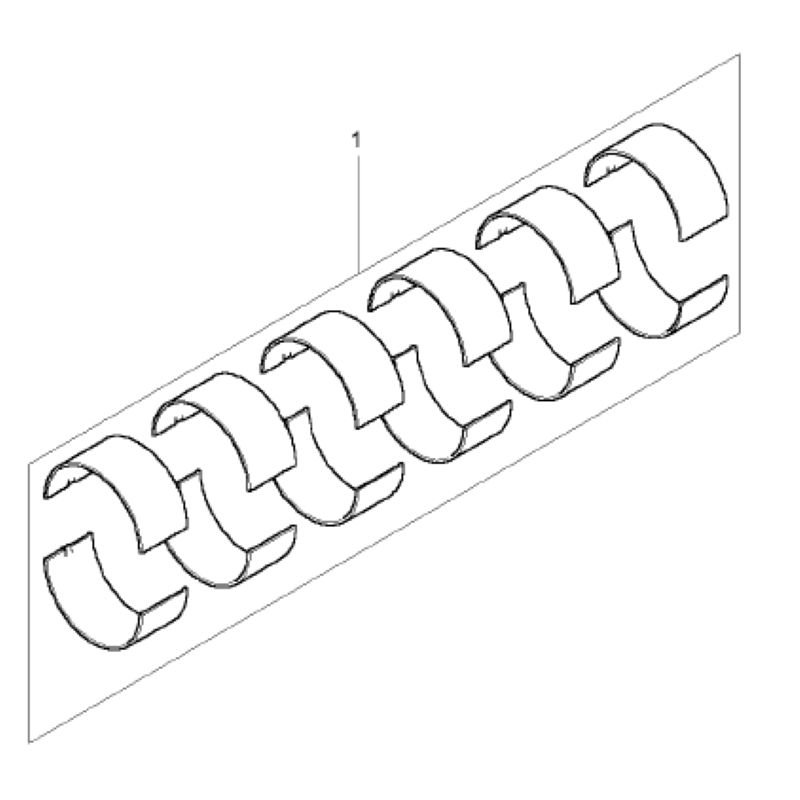
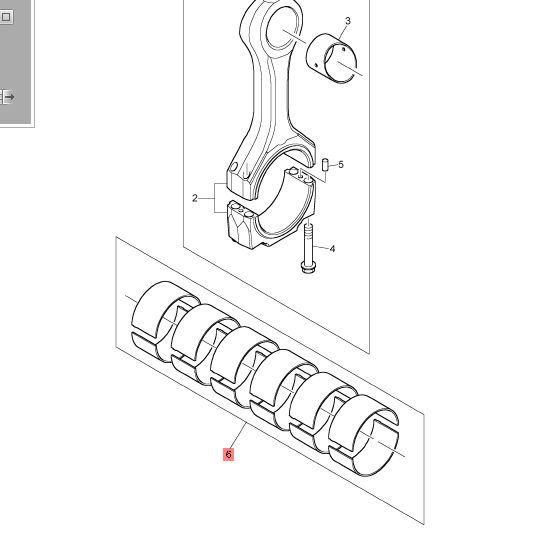
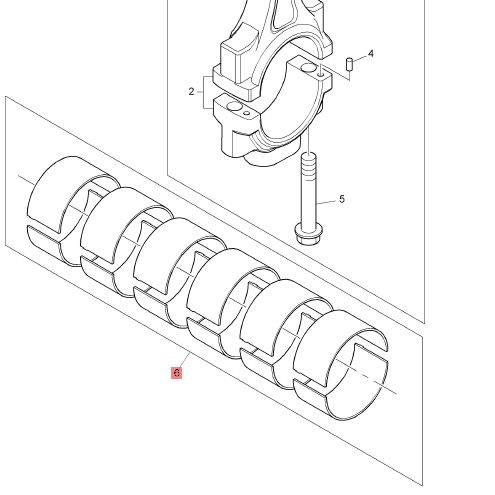
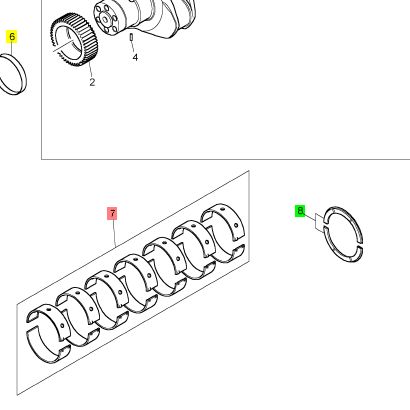
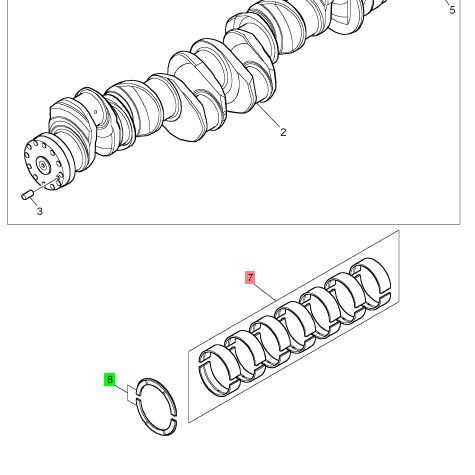
| 7 | Main Bearing Kit | KRP3122 / KRP3118 |
| 8 | Thrust Washer Kit | KRP3206 |
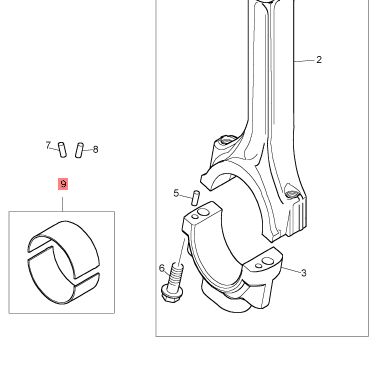
| 9 | Connecting Rod Assembly | CH11507 |
| 10 | Big End Bearing Kit | KRP3022 |
| 11 | Piston Kit | KRP3026 / KRP3032 |
| 12 | Piston Ring Kit | KRP3021 / KRP3033 |
| 13 | Starter Motor | CH11441 |
| 14 | Belt | CH12789 |
| 15 | Injector | CH12013 / CH12350 |
| 16 | Oil Pump | CH10860 |
| 17 | Oil Filter | CH10929 |
| 18 | Water Pump Kit | KRP1715 |
Multiple references are listed for some pistons, rings, injectors and bearings. Do not select between these alternatives by dimensions or appearance alone. Confirm the complete ESN and Build List before approving the final part number.
Procurement and Export Release
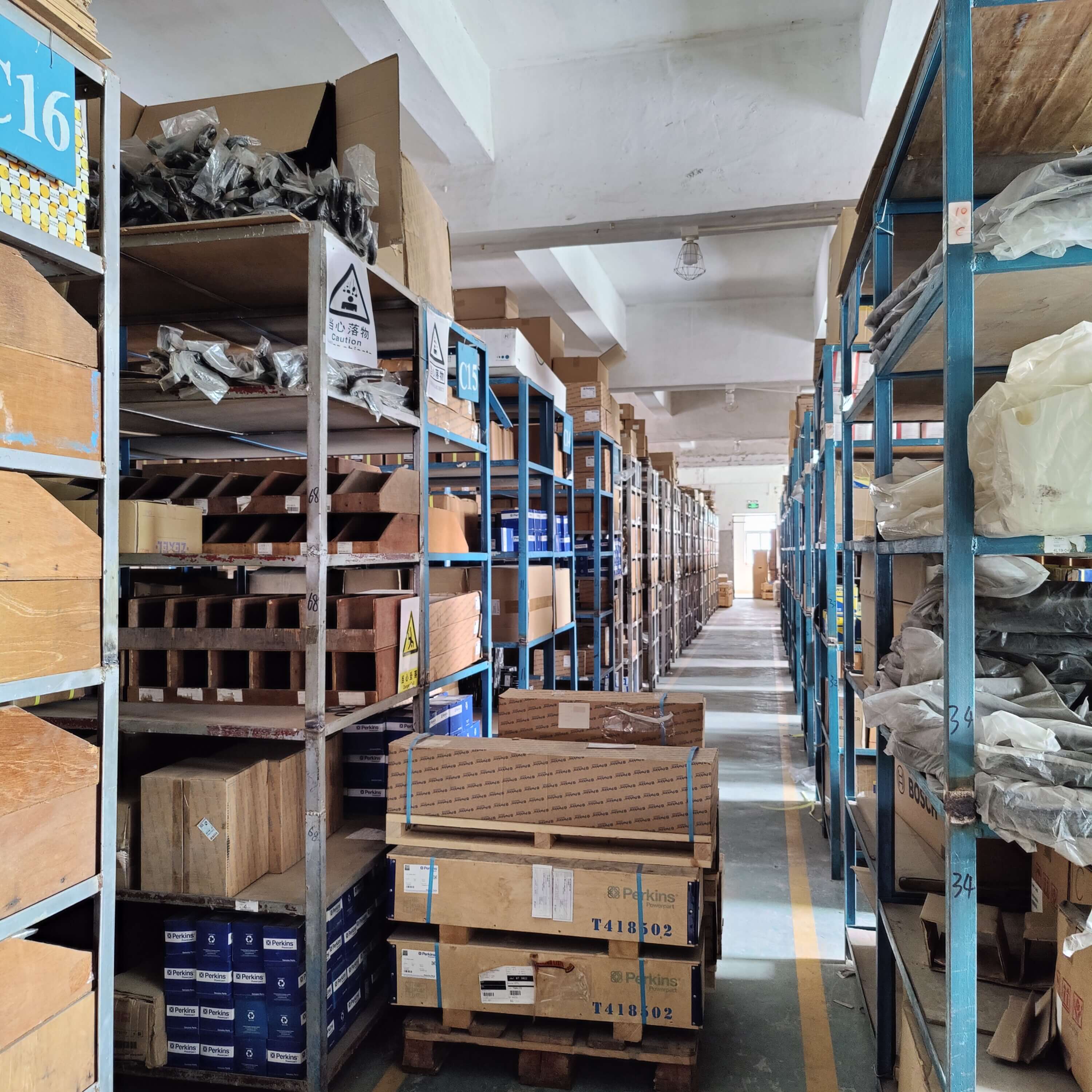
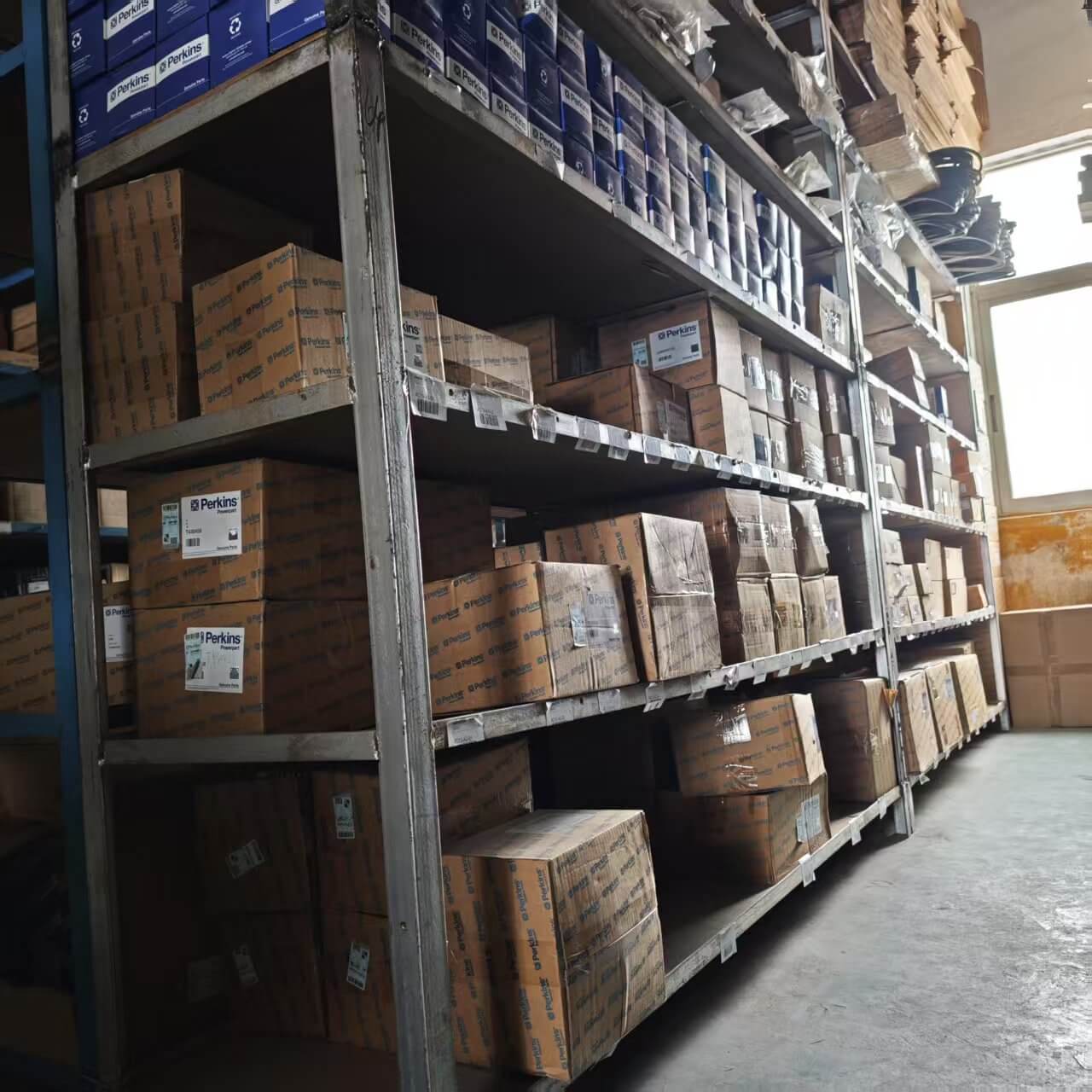
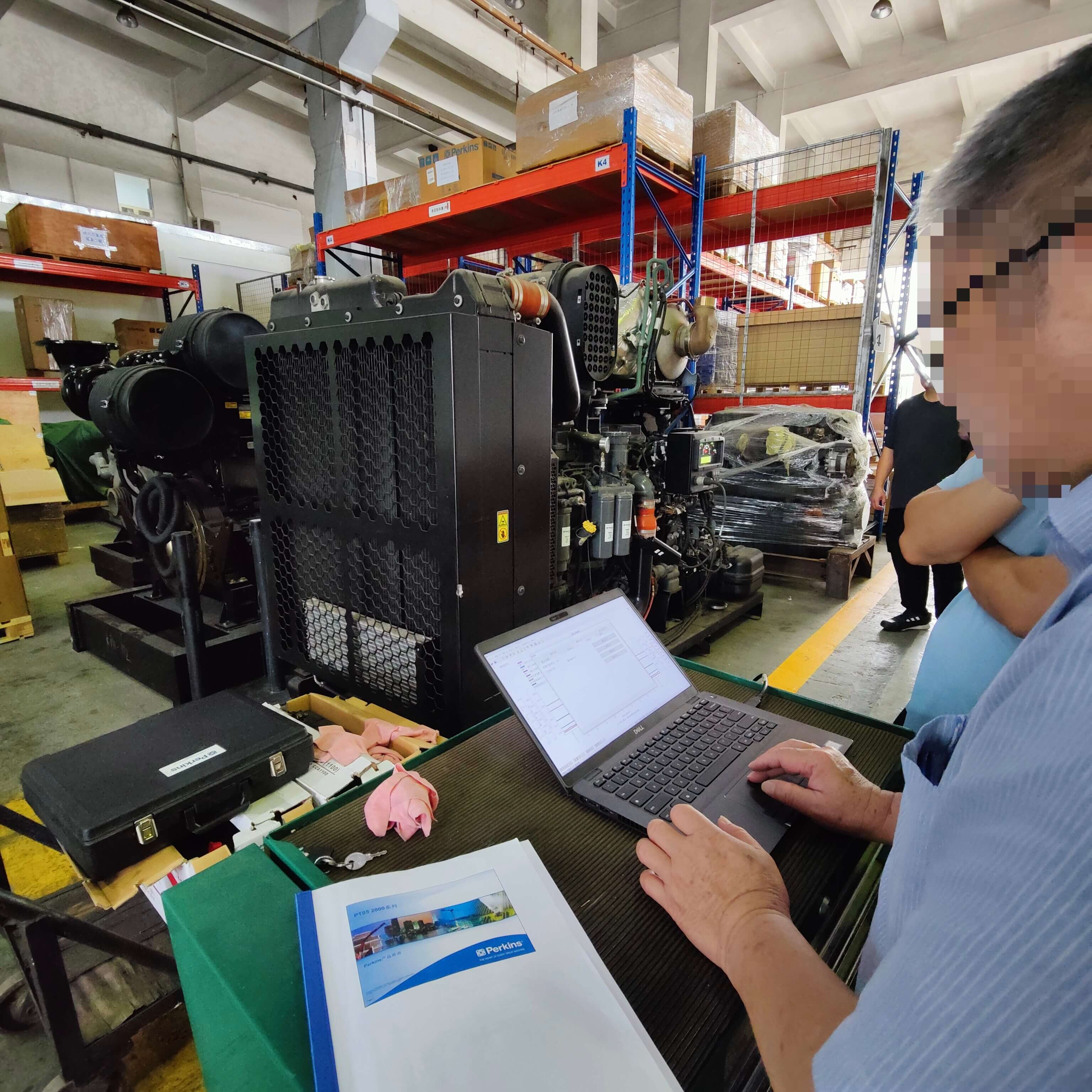
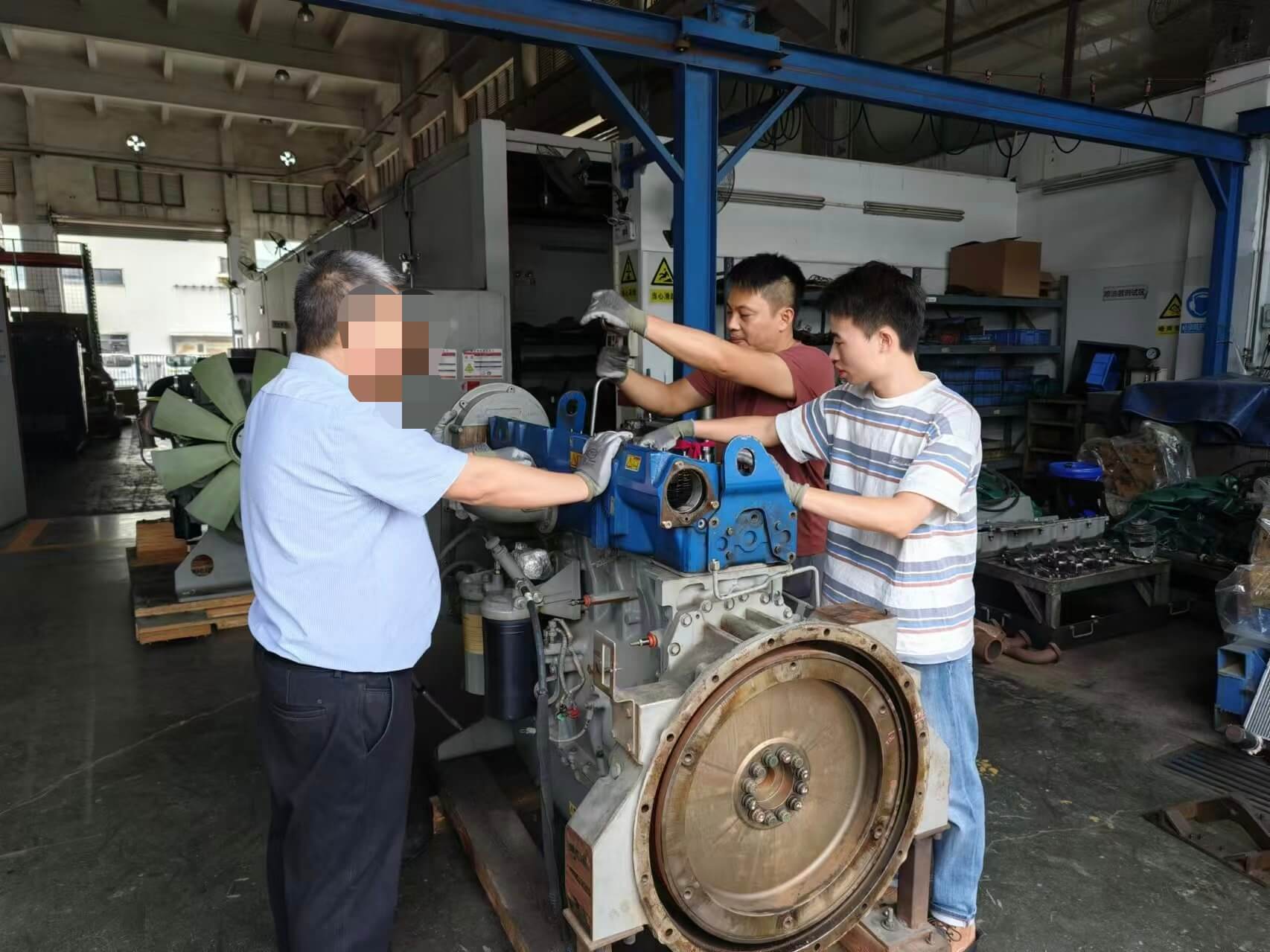
Availability should be confirmed when the inquiry is submitted. The stated lead time is typically 3–4 weeks, and quotations are provided within 24 hours after the engine configuration, quantity and delivery terms have been defined.
| Procurement Item | Supply Information |
|---|---|
| Supply Source | Genuine Perkins through a first-tier authorised distributor channel |
| Quotation Basis | Configuration, quantity and delivery terms |
| Quotation Time | Within 24 hours after receiving complete inquiry information |
| Typical Lead Time | 3–4 weeks, subject to availability confirmation |
| Pre-Shipment Verification | ESN and engine nameplate checked before dispatch |
| Engine Test Report | Available on request |
| Export Documents | Commercial invoice, packing list, bill of lading and certificate of origin |
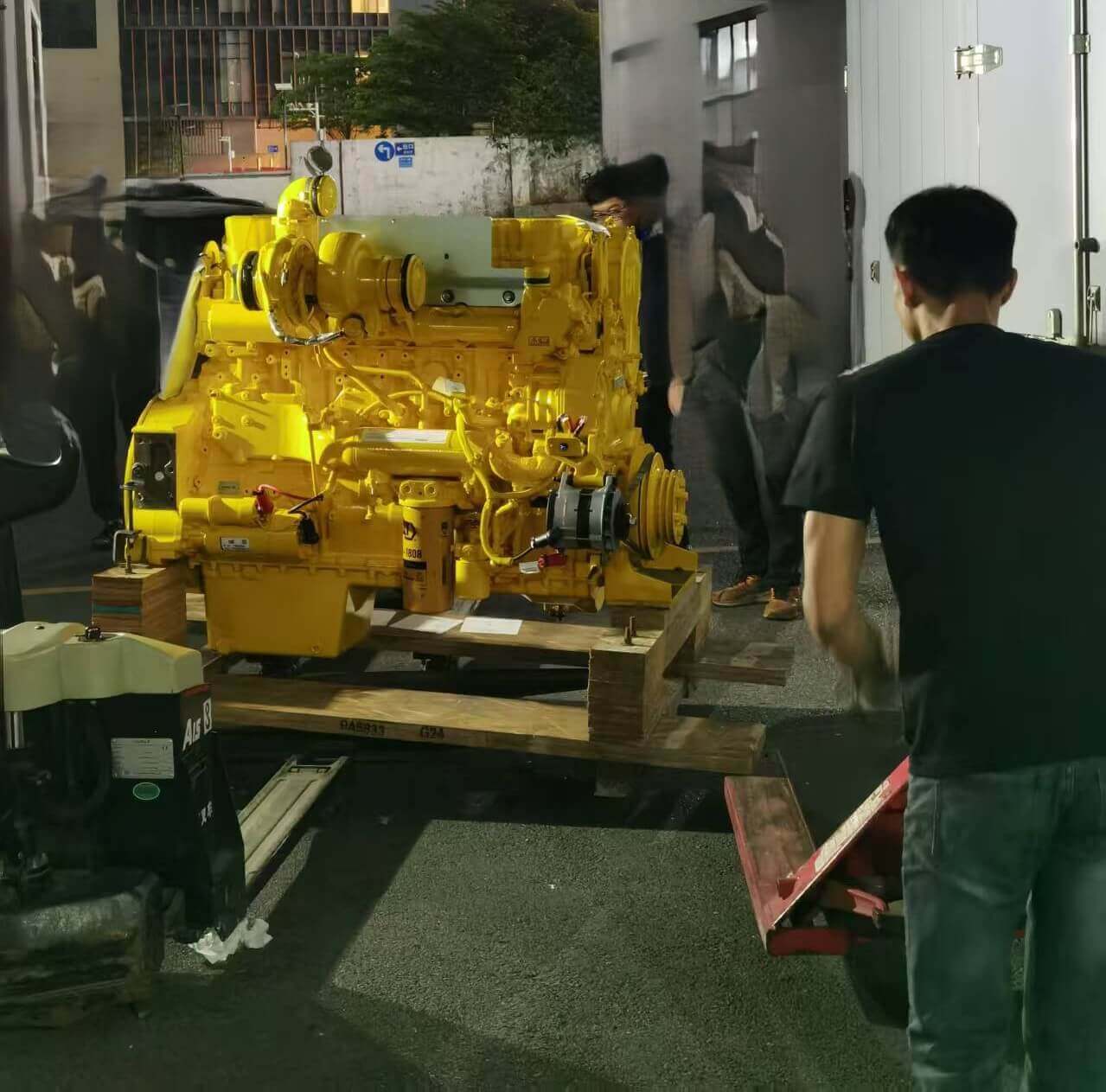
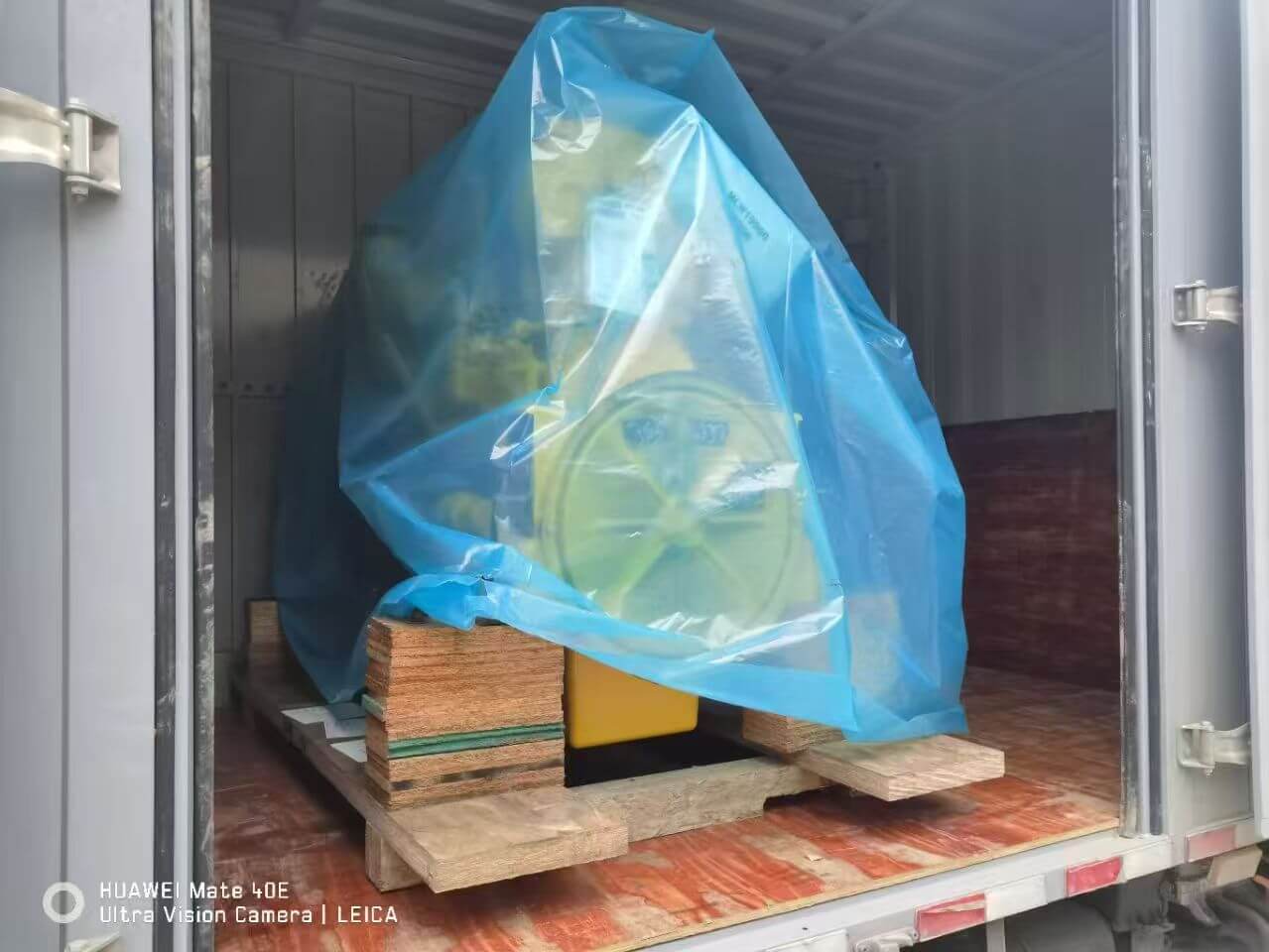
| Shipping | FCL or LCL from Shenzhen, Guangzhou or Shanghai |
| Packaging | Crating and export packaging included |
| Export Experience | Supplied to more than 30 countries |

Warranty and Technical Review
The stated warranty period is 12 months or the manufacturer-specified operating hours from the commissioning date, whichever occurs first.
Conditions Outside Warranty Coverage
- Incorrect installation or improper commissioning
- Failure to follow the applicable Perkins Operation and Maintenance Manual
- Normal consumption of filters, belts, coolant and lubricants
- Damage caused by contaminated fuel or an incorrect lubricant specification
- Cooling-system neglect
- Unauthorised modifications or repairs during the warranty period
- Transit damage not reported within three working days of delivery
Information Required for a Claim Review
- Complete Build List and ESN
- Current operating hours
- Fault description and operating conditions
- Available fault codes
- Photographs of the affected area
- Relevant commissioning and maintenance records
The stated technical-review time is within two business days after the required evidence has been received. Depending on the assessment, the proposed response may include replacement parts, coordinated repair support or an engine exchange.
Transit Damage Procedure
Inspect the shipment before signing the delivery receipt. Photograph visible damage before unpacking, record it on the receipt and notify the supplier within three working days. Do not commission a visibly damaged engine before the transport-damage report has been reviewed.
Perkins 2806C-E18TTAG7 FAQ
Is a 1500 rpm version of JGM/JGMF8094 available?
The supplied product data lists only an 1800 rpm rating. No 1500 rpm output is provided for this Build List, so it should be treated as a 60 Hz engine unless separate Perkins documentation confirms another factory configuration.
What is the key difference between TTAG7 and the TTAG4 or TTAG5?
TTAG7 is a 2806C EU Stage II / EPA Tier 2 configuration rated at 850–938 kVA at 1800 rpm. TTAG4 and TTAG5 are Fuel Optimised 2806A engines with different Build Lists and emissions positions.
Does the series twin-turbo system affect load acceptance?
The supplied information notes comparatively lower step-load acceptance for the TTAG configuration. Large motor starts and block loads should therefore be reviewed through controller settings, alternator selection and load-bank commissioning.
What does the ElectropaK package include?
The stated scope includes the engine-mounted ECM, wiring to the ECM, radiator, fuel filtration, air filtration and stop/alarm sensor readiness. The final quotation should confirm the exact delivered package and customer-interface requirements.
Which lubricating oil should be used?
A confirmed oil grade is not provided in the supplied page. Use the Perkins technical data sheet and Operation and Maintenance Manual for JGM/JGMF8094 before publishing or applying an oil specification.
What information is needed to order parts?
Provide model 2806C-E18TTAG7, Build List JGMF8094 or JGM8094 and the complete ESN. A clear photograph of the full engine nameplate is recommended.
What is the published fuel consumption at full prime load?
The supplied figure at 100% prime load and 1800 rpm is approximately 210 g/kWh. Actual litres per hour depend on the delivered power, fuel properties and complete generator-set efficiency.
Request a TTAG7 Integration Review
Submit the following through the engine inquiry and quotation page:
- Build List JGMF8094 or JGM8094
- Complete ESN or a clear nameplate photograph
- Prime or standby duty requirement
- Required generator output and power factor
- Rated voltage and 60 Hz system details
- Largest expected step load
- Site altitude and ambient-temperature range
- Generator-set manufacturer and model for a replacement project
- Required quantity, delivery terms and destination port
- Required emissions, export and test documentation
Related Product
-
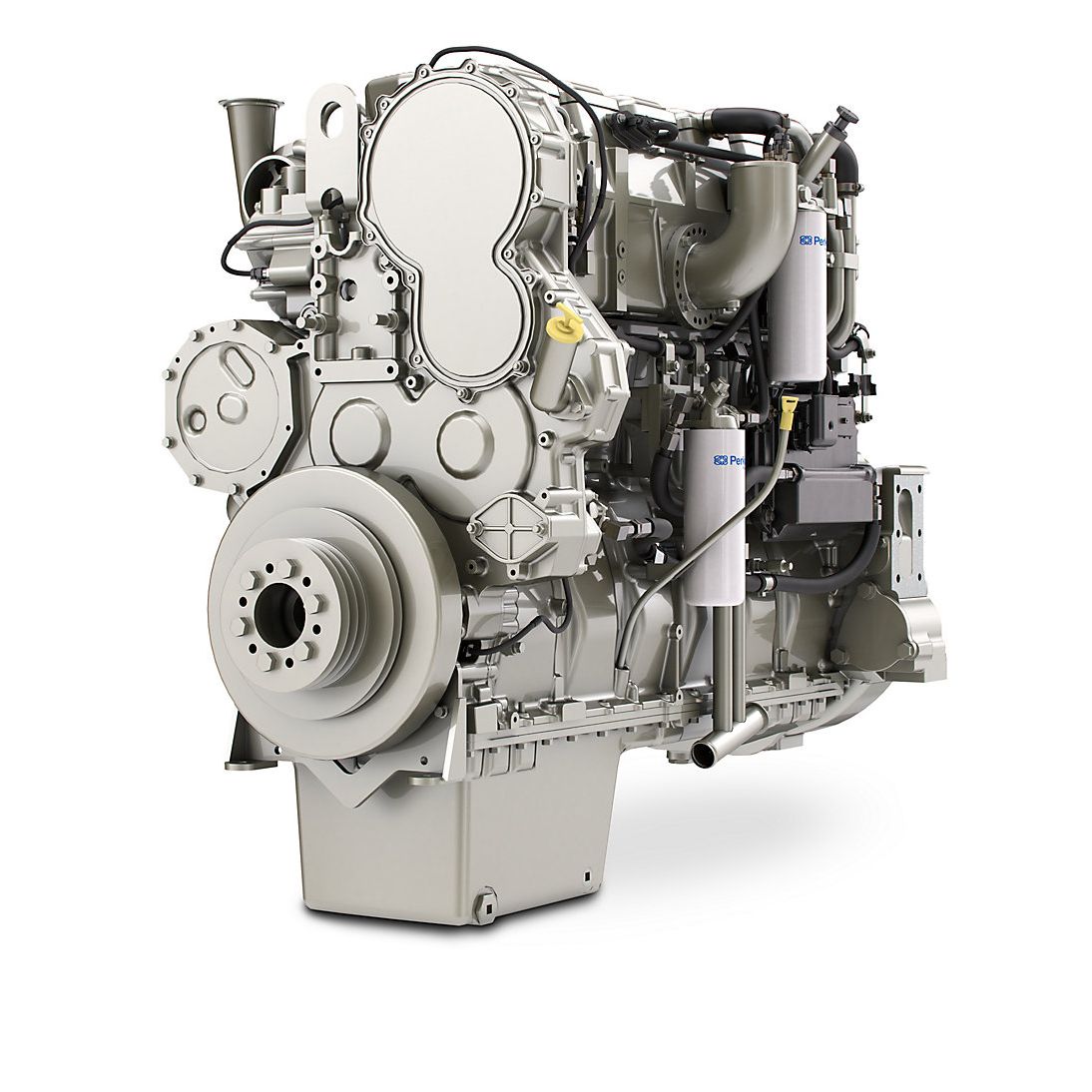 Perkins 2806A-E18TTAG4 ElectropaK Engine – 706–888 kVAPerkins 2806A-E18TTAG4 18.1L ElectropaK engine: 706/780 kVA at 1500 rpm and 802/888 kVA at 1800 rpm. Verify JGE/JGEF8099 and the complete ESN.
 -
Perkins 2806A-E18TTAG5 Genset Engine – 770–888 kVAPerkins 2806A-E18TTAG5 18.1L genset engine: 770/850 kVA at 1500 rpm and 802/888 kVA at 1800 rpm. Confirm JGF/JGFF8098 and the complete ESN.
Get Your Engine & Parts Quote
Upload your parts list or send your ESN — we reply within 30 minutes. Engine down? Need fast replacement? Contact us to check today’s stock & delivery time.