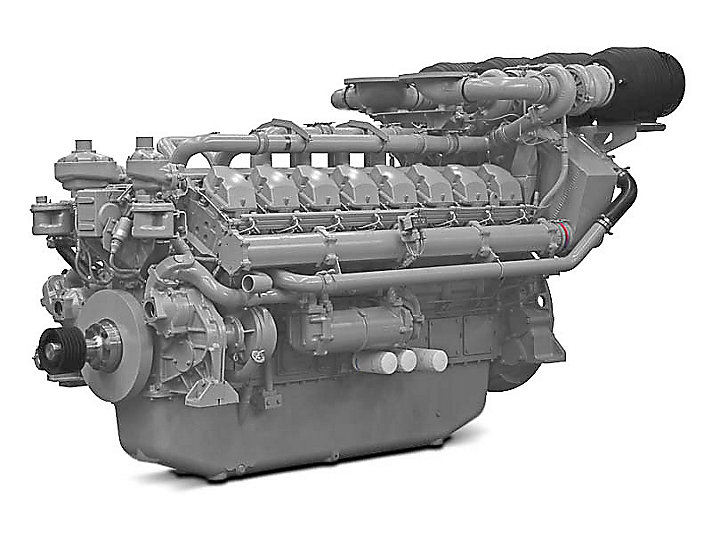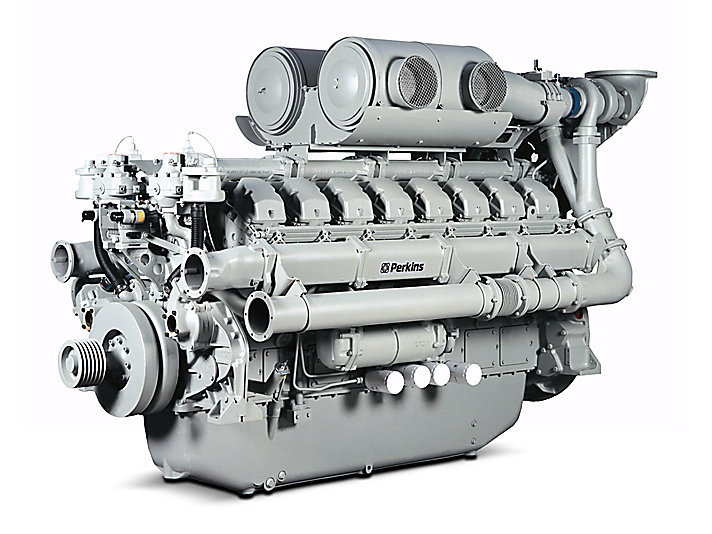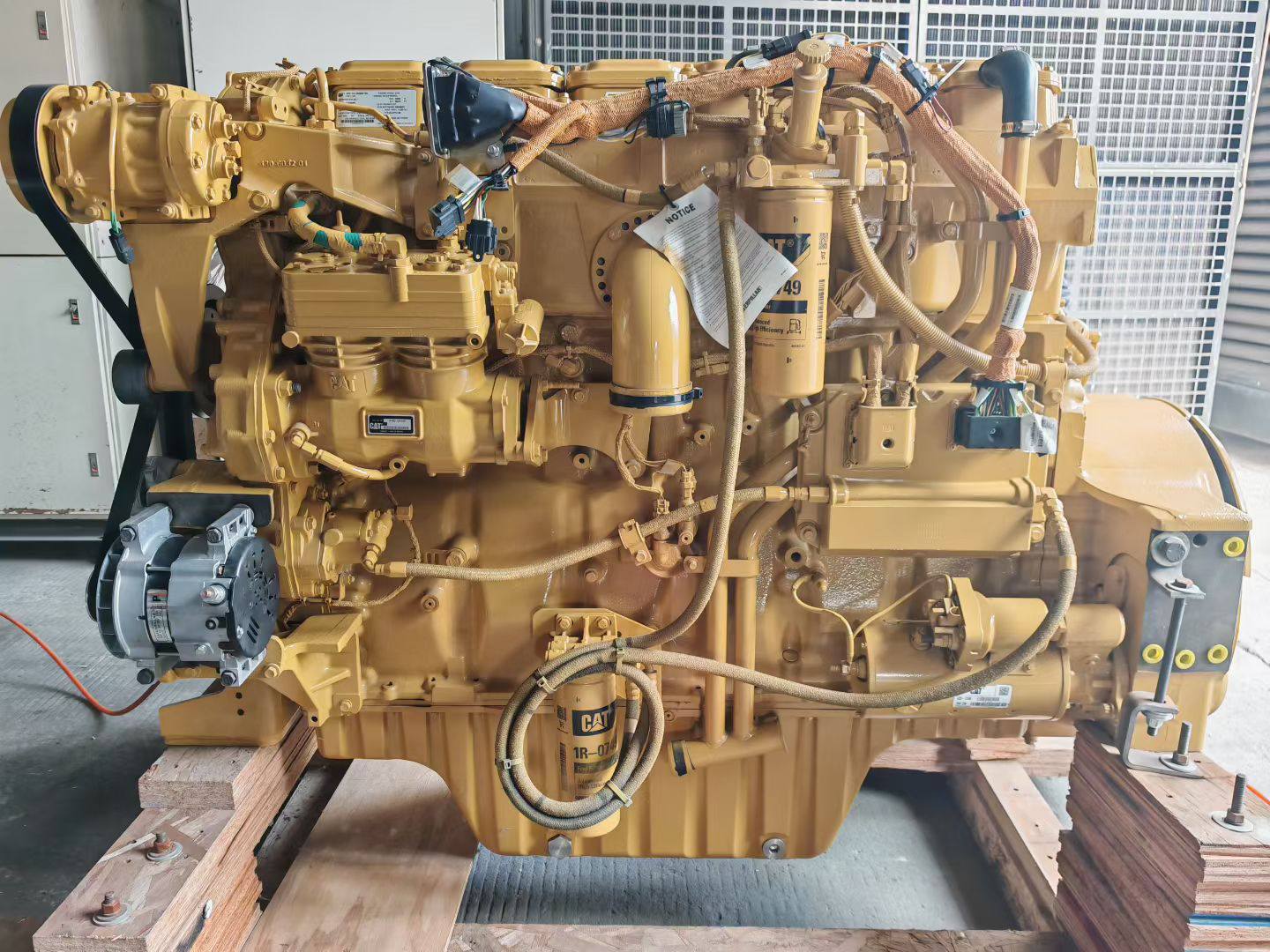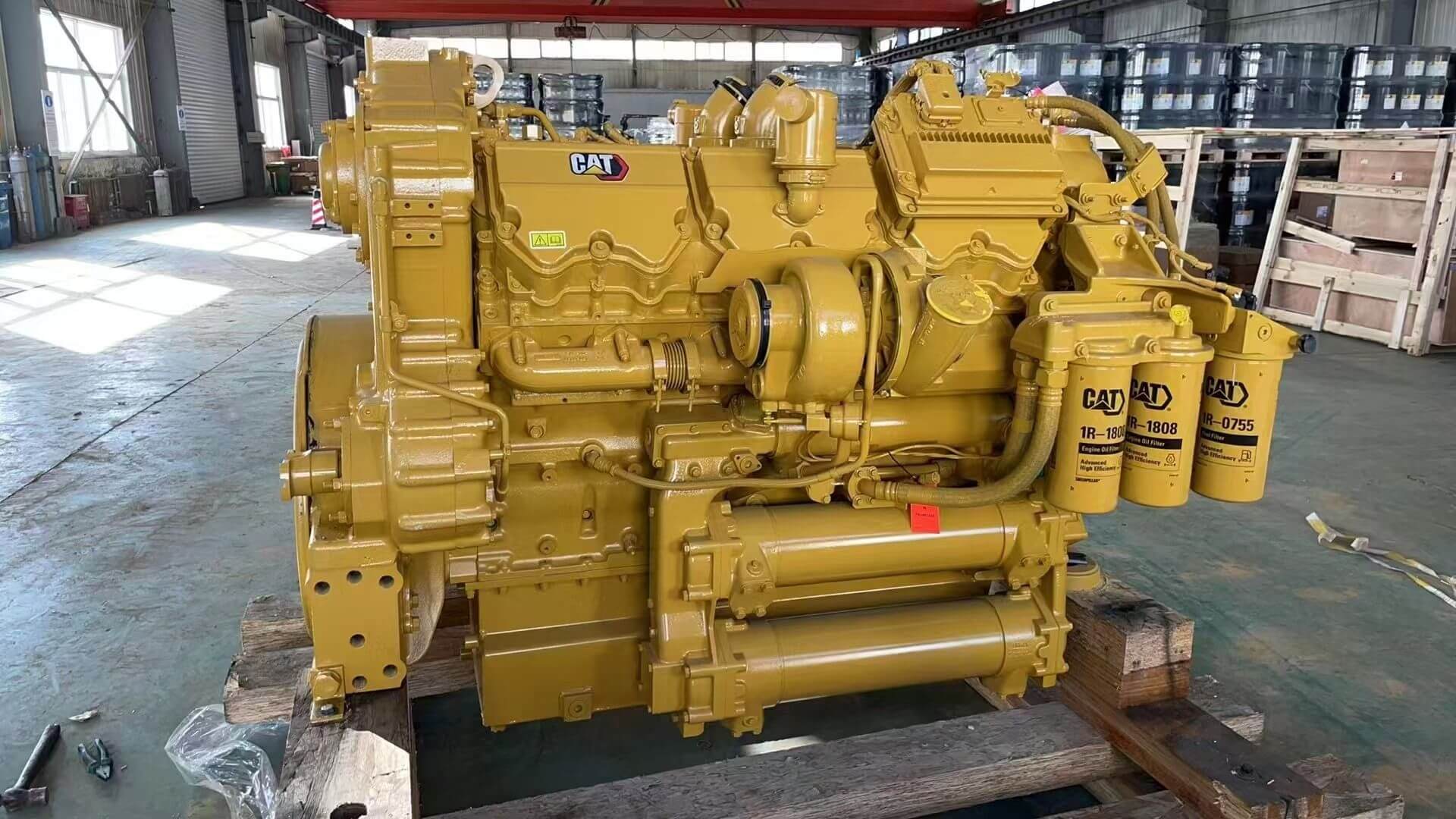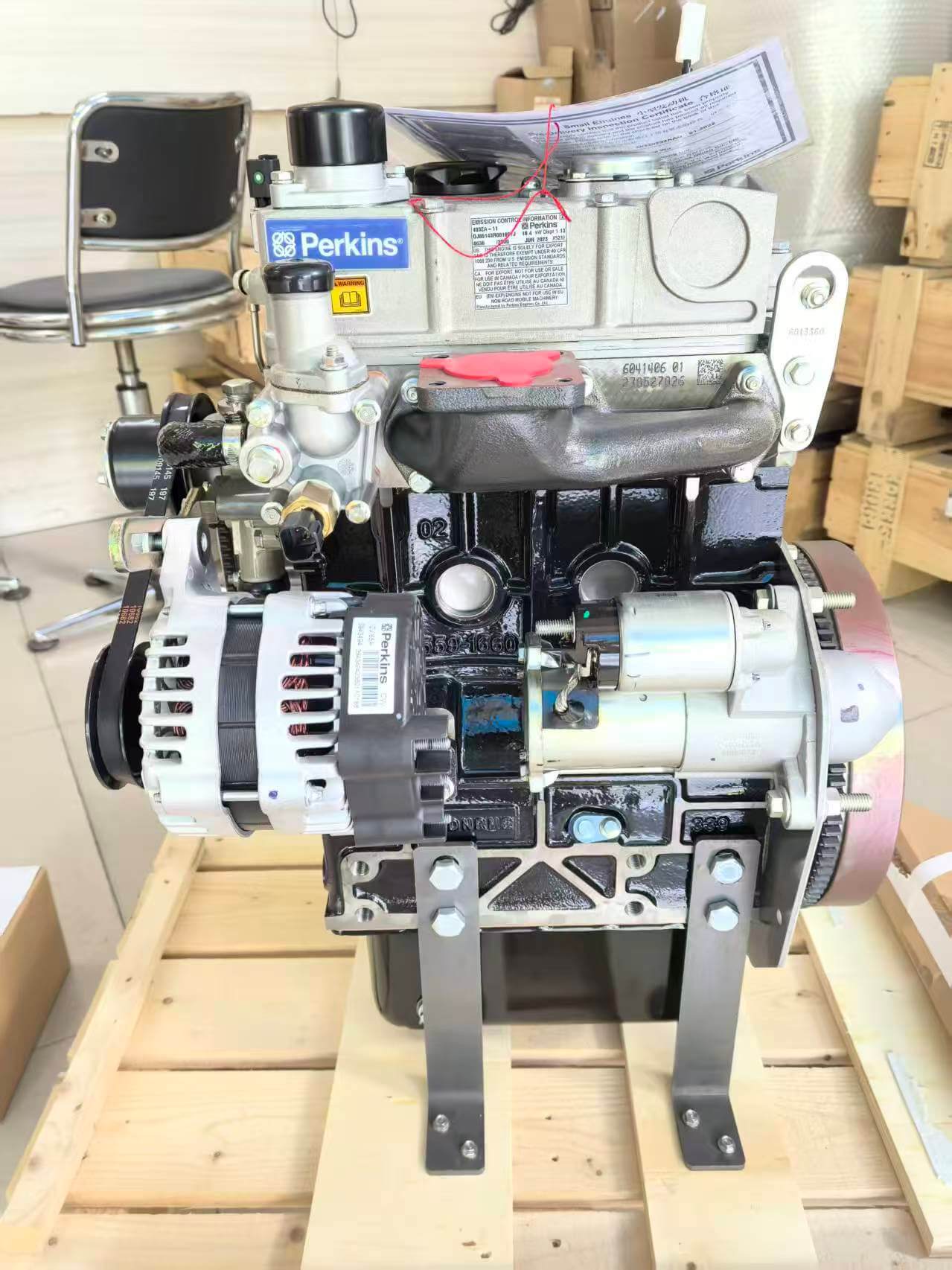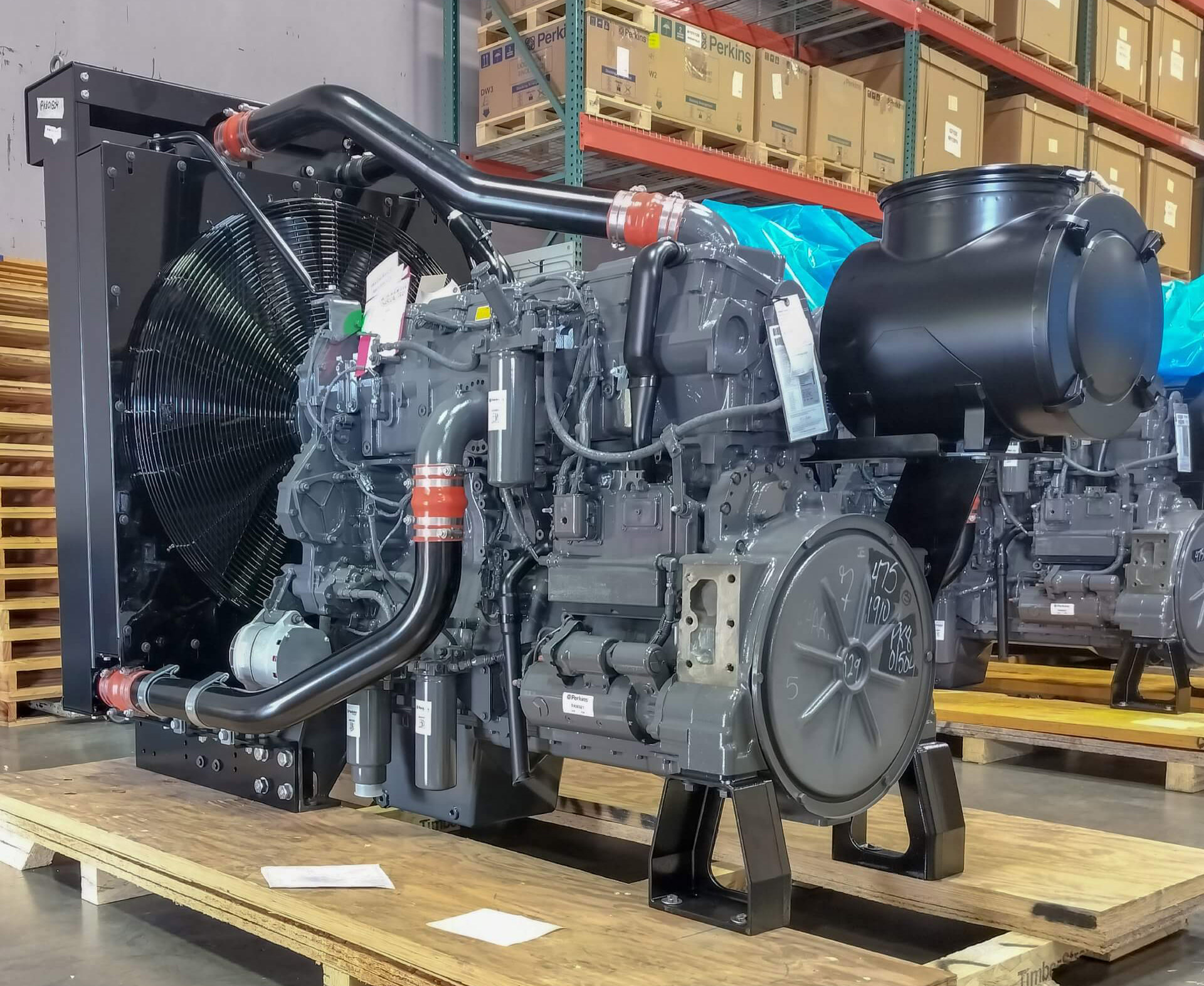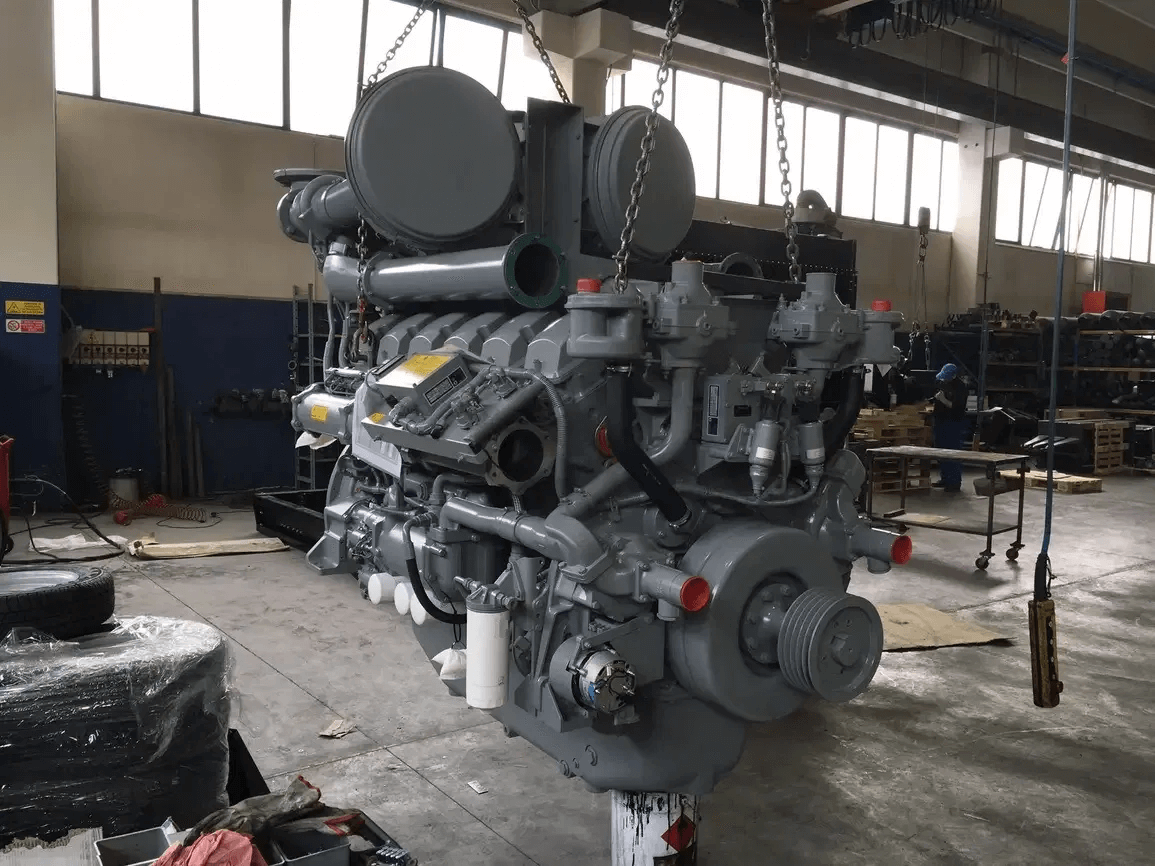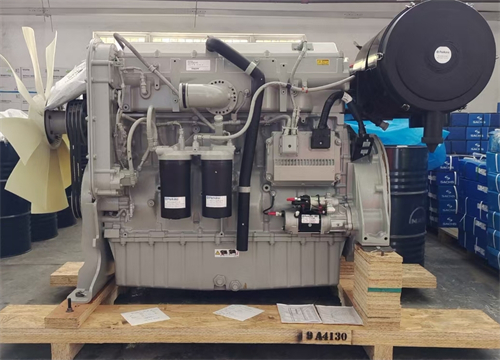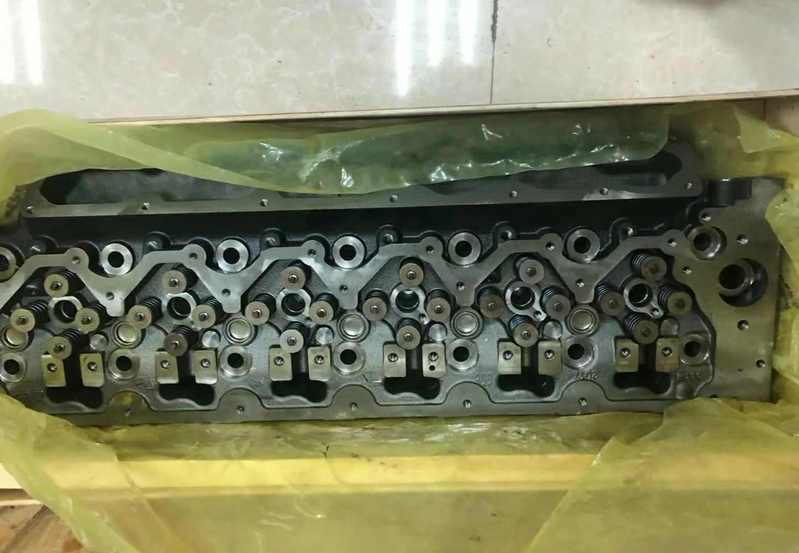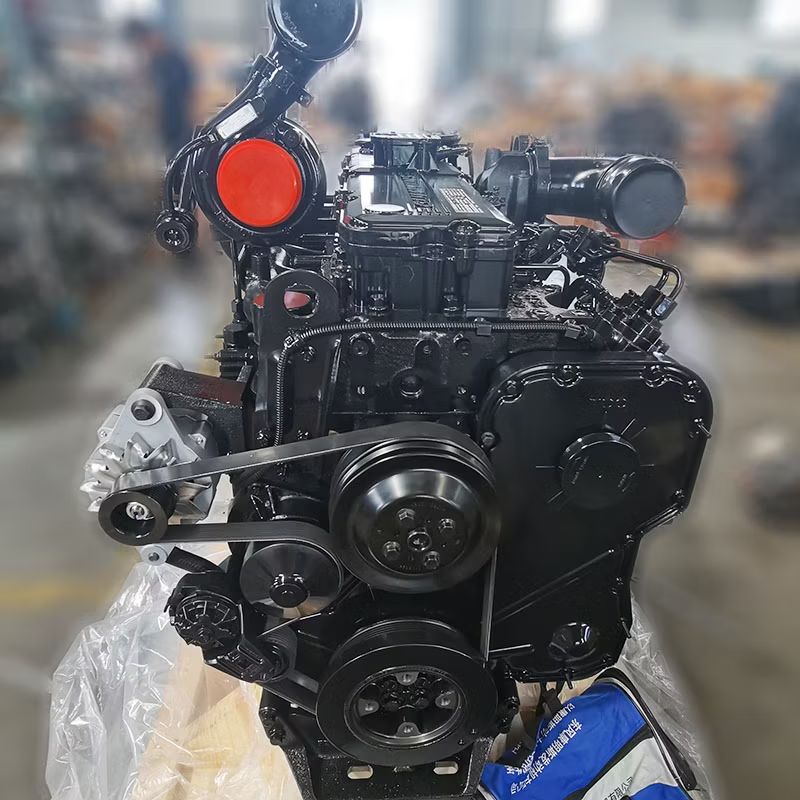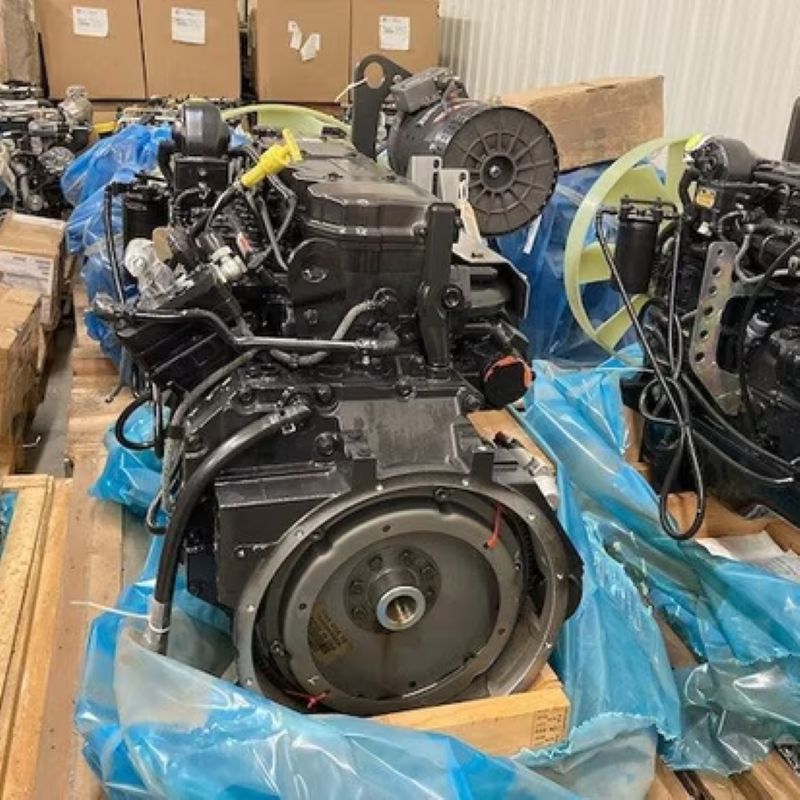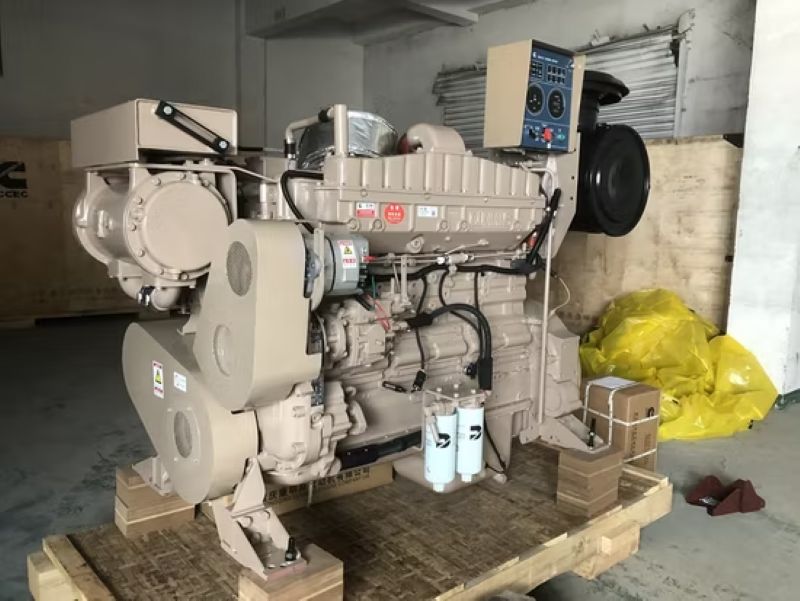

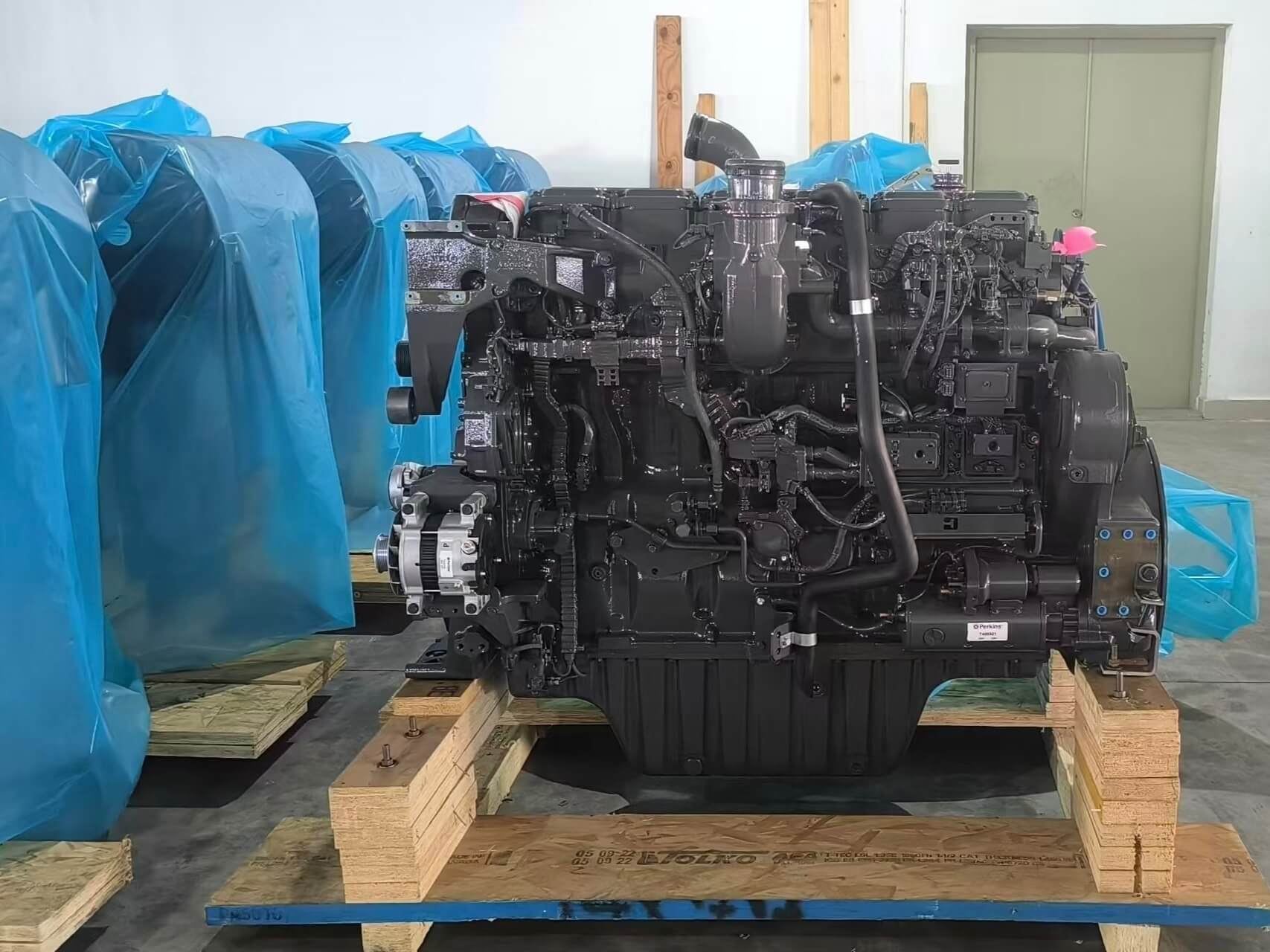
The Perkins 2806A-E18TTAG5 is an 18.1-litre, six-cylinder ElectropaK diesel engine developed for high-output prime and standby generator sets. It belongs to the upper-output end of the Perkins generator-drive engine range and uses parallel twin turbochargers, air-to-air charge cooling and electronically controlled unit fuel injection.
Its defining selection advantage appears at 1500 rpm: the TTAG5 delivers 770 kVA prime and 850 kVA standby for 50 Hz systems. At 1800 rpm, it delivers 802 kVA prime and 888 kVA standby—the same published 60 Hz ratings as the TTAG4. For that reason, selecting TTAG5 is not simply a matter of choosing the larger model number. Frequency, original Build List, ESN, generator-set design and required 50 Hz output must all be considered.
The Main TTAG5 Selection Decision
The TTAG5 provides a meaningful output increase over the TTAG4 at 1500 rpm, but not at 1800 rpm. This distinction is important for generator manufacturers, replacement-engine buyers and fleet operators comparing engines within the 2806A-E18TTAG range.
| Selection Question | Practical Answer |
|---|---|
| Is the project 50 Hz? | TTAG5 provides 770 kVA prime / 850 kVA standby at 1500 rpm. |
| Is the project 60 Hz? | TTAG5 provides 802 kVA prime / 888 kVA standby at 1800 rpm. |
| Why choose TTAG5 instead of TTAG4? | The principal published output advantage is at 1500 rpm. |
| Can TTAG5 automatically replace TTAG4 at 1800 rpm? | No. The identical published output does not confirm identical calibration, wiring or engine-build compatibility. |
| Is it suitable for regulated emissions markets? | It is a Fuel Optimised, non-emissions-regulated “A” build; destination requirements must be checked. |
| What identifies the exact engine? | Build List JGFF8098 / JGF8098 together with the complete ESN. |
Power Ratings by Frequency and Duty
The 1500 rpm and 1800 rpm versions are separate factory-rated builds. They should not be treated as one engine whose operating speed can be changed in the field to obtain the other rating.
| Rated Speed | Duty | Gross Engine Power | Net Engine Power | Generator Rating | Electrical Output |
|---|---|---|---|---|---|
| 1500 rpm | Prime | 676 kW (907 hp) | 648 kW (869 hp) | 770 kVA | 616 kWe |
| 1500 rpm | Standby | 743 kW (996 hp) | 716 kW (960 hp) | 850 kVA | 680 kWe |
| 1800 rpm | Prime | 720 kW (965 hp) | 675 kW (905 hp) | 802 kVA | 642 kWe |
| 1800 rpm | Standby | 793 kW (1063 hp) | 748 kW (1003 hp) | 888 kVA | 710 kWe |
Prime and Standby Ratings Are Different Duties
Prime rating applies to the approved variable-load duty defined for the engine and generator-set configuration. Standby rating is the higher emergency-output level and remains subject to the operating-hour and load limitations of the applicable duty classification.
A buyer should therefore specify the required duty rather than requesting only an “850 kVA engine” or an “888 kVA engine.” The same engine model appears with different published outputs according to frequency, rated speed and duty.
How TTAG5 Differs from TTAG4
The adjacent Perkins 2806A-E18TTAG4 uses the same broad 18.1-litre dual-turbocharged platform but occupies a different 50 Hz output position.
| Model | Build List | 1500 rpm Prime / Standby | 1800 rpm Prime / Standby | Key Difference |
|---|---|---|---|---|
| 2806A-E18TTAG4 | JGE / JGEF8099 | 706 / 780 kVA | 802 / 888 kVA | Lower 50 Hz output |
| 2806A-E18TTAG5 | JGF / JGFF8098 | 770 / 850 kVA | 802 / 888 kVA | Higher 50 Hz output |
At 1500 rpm, the TTAG5 increases prime output from 706 to 770 kVA and standby output from 780 to 850 kVA. At 1800 rpm, both models have the same published ratings of 802 kVA prime and 888 kVA standby.
The matching 60 Hz ratings do not make the two engines interchangeable. TTAG4 and TTAG5 use different Build Lists, and the original ECM calibration, fuel-system specification, interfaces and generator-set installation must be checked before approving a replacement.
Engine Core and Fuel System
The 2806A-E18TTAG5 is based on the Perkins 2800 Series industrial core. Its twin-turbocharged arrangement is intended to support high power density and competitive performance across varying load and altitude conditions.
| Engine Parameter | Specification |
|---|---|
| Configuration | ElectropaK |
| Cylinder Arrangement | 6 vertical cylinders in line |
| Displacement | 18.1 L (1104 in³) |
| Bore × Stroke | 145 × 183 mm |
| Aspiration | Parallel twin turbocharged, air-to-air aftercooled |
| Combustion System | Direct injection |
| Fuel-Injection Control | Mechanically actuated, electronically controlled unit fuel injection |
| Compression Ratio | 14:1 |
| Rotation Viewed from Flywheel | Anti-clockwise |
Fuel Optimised Does Not Mean Emissions Certified
The “A” designation identifies a Fuel Optimised engine intended for markets without mandatory exhaust-aftertreatment requirements. It should not be represented as compliant with EU Stage, U.S. EPA Tier or another regulated emissions standard unless separate documentation confirms that requirement.
Projects requiring a regulated C-series configuration at a higher 60 Hz output can review the Perkins 2806C-E18TTAG7. It is a different engine build and not a direct emissions upgrade that can be achieved by adding aftertreatment to a TTAG5.
Site Conditions and Derating Review
The parallel twin-turbocharger system supports operation in demanding power-generation applications, including projects at altitude. However, no engine should be released for a high-altitude or high-ambient-temperature site from the model rating alone.
Information Needed for Site Review
- Installation altitude above sea level
- Maximum and minimum ambient temperature
- Expected continuous and peak load
- Prime or standby operating duty
- Radiator and ventilation arrangement
- Alternator efficiency and enclosure airflow
- Fuel specification at the destination
Site-specific derating should be checked against the approved engine and generator-set data. The headline 770–888 kVA range is not a guarantee that full output will be available under every altitude, temperature or ventilation condition.
Installation Envelope and Fluid Capacities
Replacement approval requires more than matching the output rating. The existing base frame, radiator, lifting arrangement, coupling, service clearance and enclosure must accommodate the TTAG5 package.
| Installation Parameter | Specification |
|---|---|
| Dimensions (H × L × W) | 2126 × 2538 × 1691 mm |
| Dry Weight | 2361 kg (5206 lb) |
| Cooling System | Watercooled |
| Total Coolant Capacity | 110 L (29 US gal) |
| Total Lubricating Oil Capacity | 68 L (18 US gal) |
| Customer-Interface Harness | Not integrated; connector wiring terminates at the engine ECM |
ECM and Genset-Control Integration
The standard ElectropaK configuration includes an engine-mounted ECM, but it does not provide a completed interface to every generator controller. The genset builder must define the required harness, signal mapping, connectors, protection functions and control-panel integration.
A replacement engine should not be approved until the original controller, sensors, shutdown logic, start circuit and communication requirements have been compared with the supplied engine configuration.
Parallel Generator-Set Operation
Generator sets powered by the 2806A-E18TTAG5 can operate in parallel when the complete units have compatible synchronization, protection and load-sharing systems.
Parallel capability is a generator-set system function rather than a property established by the engine model alone. The controllers, alternators, voltage regulators, breaker logic, synchronization equipment and load-sharing settings must be coordinated before commissioning.
Build List JGFF8098 and JGF8098
Build List JGFF8098 is the original Perkins designation assigned in 2009. JGF8098 is the updated designation used for engines from later production batches. The supplied information identifies both as the same underlying engine specification with the same stated parts compatibility.
| Build List | Identification |
|---|---|
| JGFF8098 | Original Perkins designation assigned in 2009 |
| JGF8098 | Updated designation used for later production batches |
Why the ESN Is Still Required
A matching Build List identifies the base engine specification, but it does not replace the complete Engine Serial Number. The ESN links the individual engine to its production record and helps confirm calibration, component revisions and Build-List-specific parts.
Record These Nameplate Details
- Complete model: 2806A-E18TTAG5
- Build List: JGFF8098 or JGF8098
- Complete Engine Serial Number
- Rated speed: 1500 rpm or 1800 rpm
- Original generator-set manufacturer and model
The nameplate is normally mounted on the rocker cover or timing-case area. A clear photograph of the complete nameplate reduces the risk of errors caused by incomplete or incorrectly transcribed identifiers.
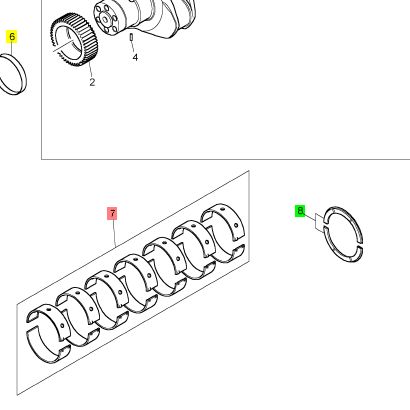
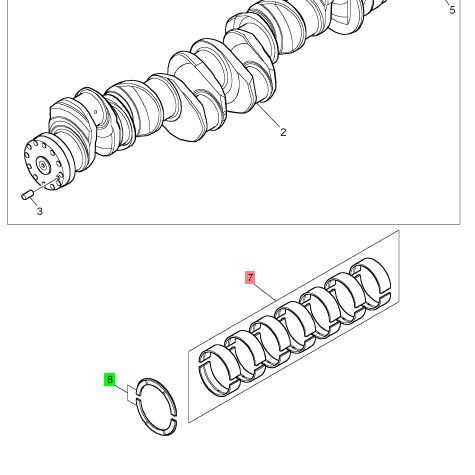
Common Replacement Parts for JGF/JGFF8098
The following references are listed as original Perkins components for the TTAG5 Build List family. Additional Perkins engine parts can be reviewed by component category. Final release should still be based on the complete ESN.
| Item | Part Name | Part Number |
|---|---|---|
| 1 | Intake Valve | CH11021 |
| 2 | Exhaust Valve | CH11022 |
| 3 | Valve Spring Inner | CH11489 |
| 4 | Valve Spring Outer | CH12798 / CH11487 |
| 5 | Valve Collet | CH10019 |
| 6 | Camshaft Bush | CH11228 |
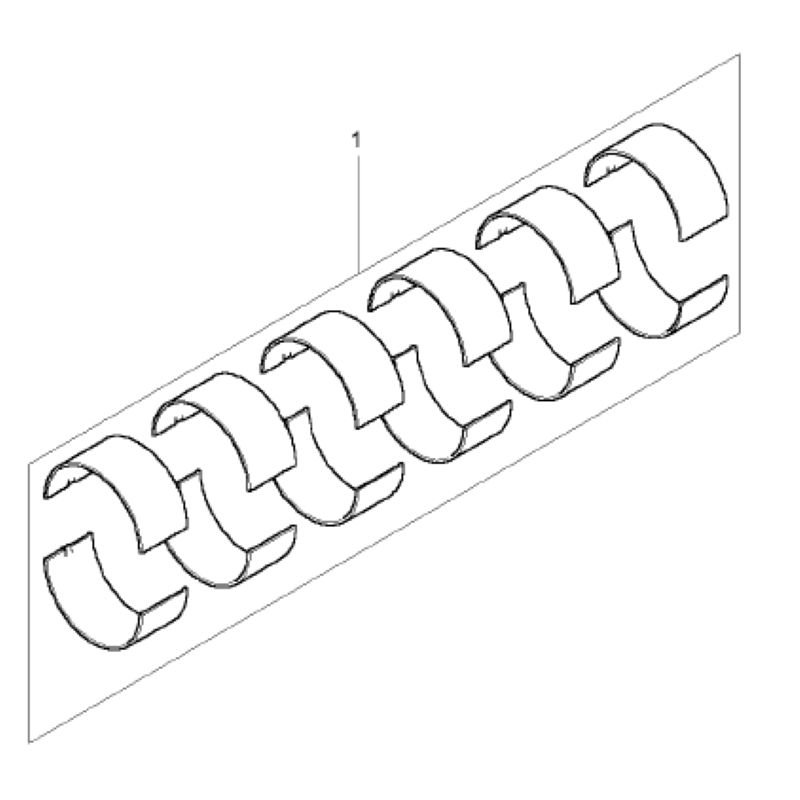
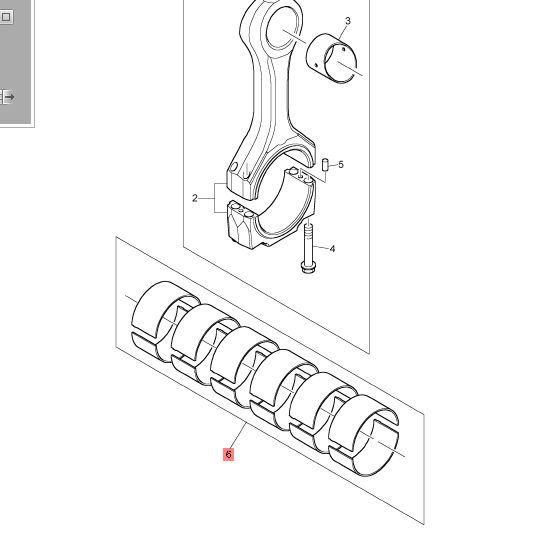
| 7 | Main Bearing Kit | KRP3122 / KRP3118 |
| 8 | Thrust Washer Kit | KRP3206 |
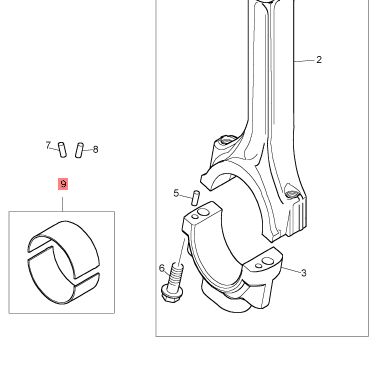
| 9 | Connecting Rod Assembly | CH11507 |
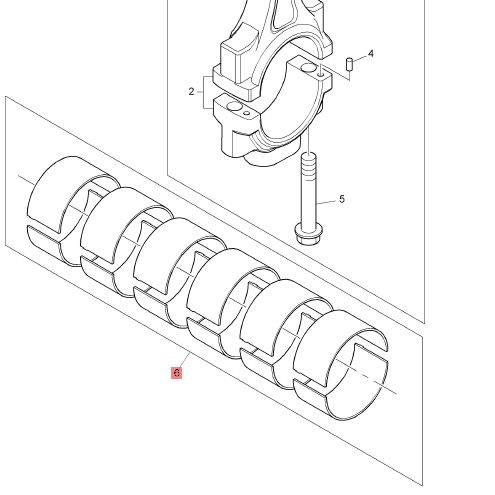
| 10 | Big End Bearing Kit | KRP3022 |
| 11 | Piston Kit | KRP3026 / KRP3032 |
| 12 | Piston Ring Kit | KRP3021 / KRP3033 |
| 13 | Starter Motor | CH11441 |
| 14 | Belt | CH12789 |
| 15 | Injector | CH12013 / CH12350 |
| 16 | Oil Pump | CH10860 |
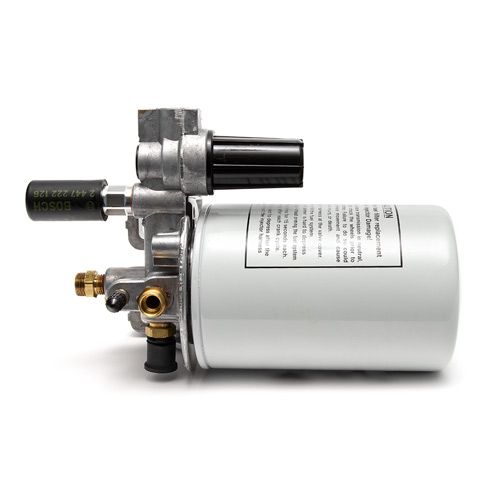
| 17 | Oil Filter | CH10929 |
| 18 | Water Pump Kit | KRP1715 |
Pistons, piston rings, injectors, bearings and other internal components may have more than one listed reference. These alternatives should not be selected by appearance or model name. Build List and ESN verification is required before confirming the part number and quantity.
Maintenance Planning
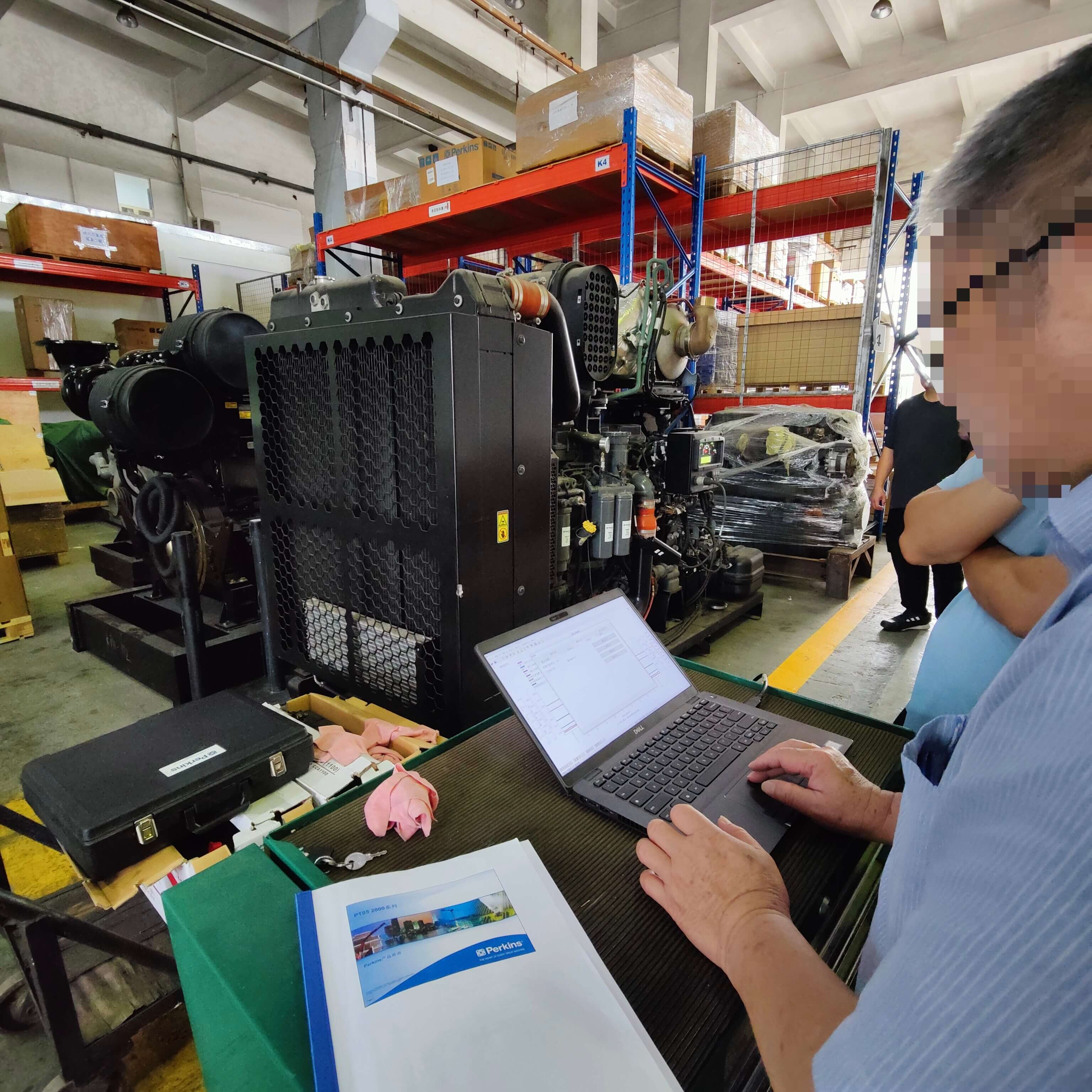
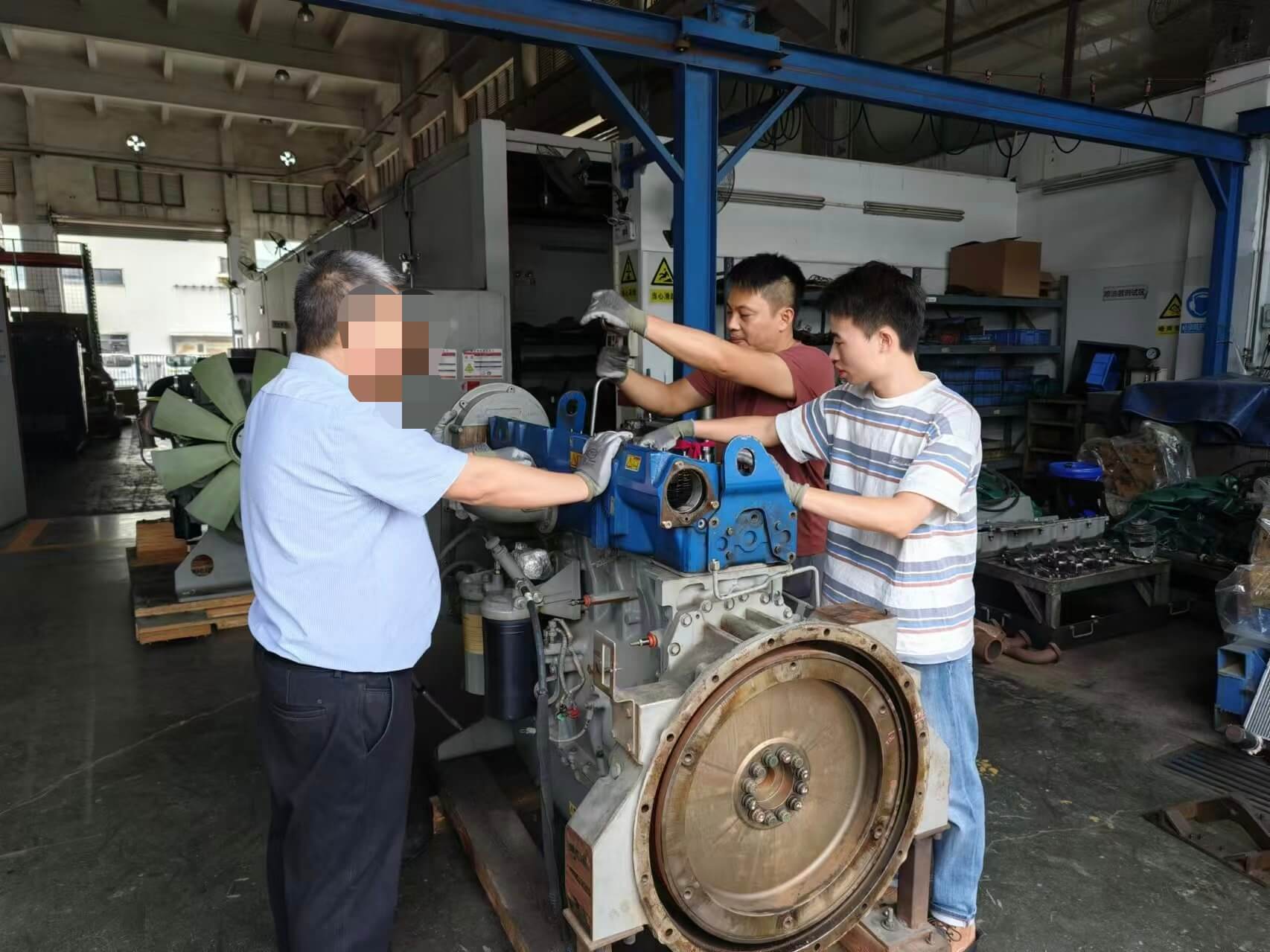
The stated standard oil-service interval is 500 operating hours. This is a baseline for normal operating conditions rather than a universal interval for every site.
Dust, fuel quality, oil analysis, ambient temperature, prolonged low-load operation and severe duty can affect the maintenance schedule. The applicable Perkins Operation and Maintenance Manual should be used to confirm the final service plan.
| Maintenance Decision | Required Approach |
|---|---|
| Standard Oil-Service Baseline | 500 operating hours under normal conditions |
| Severe Operating Conditions | Review whether shorter intervals are required |
| Oil Condition | Use oil analysis where appropriate |
| Parts Identification | Confirm by JGF/JGFF8098 and complete ESN |
| Service Documentation | Operation and Maintenance Manual available on request |
| Electrical Documentation | Wiring diagrams available on request |
Ordering and Export Release
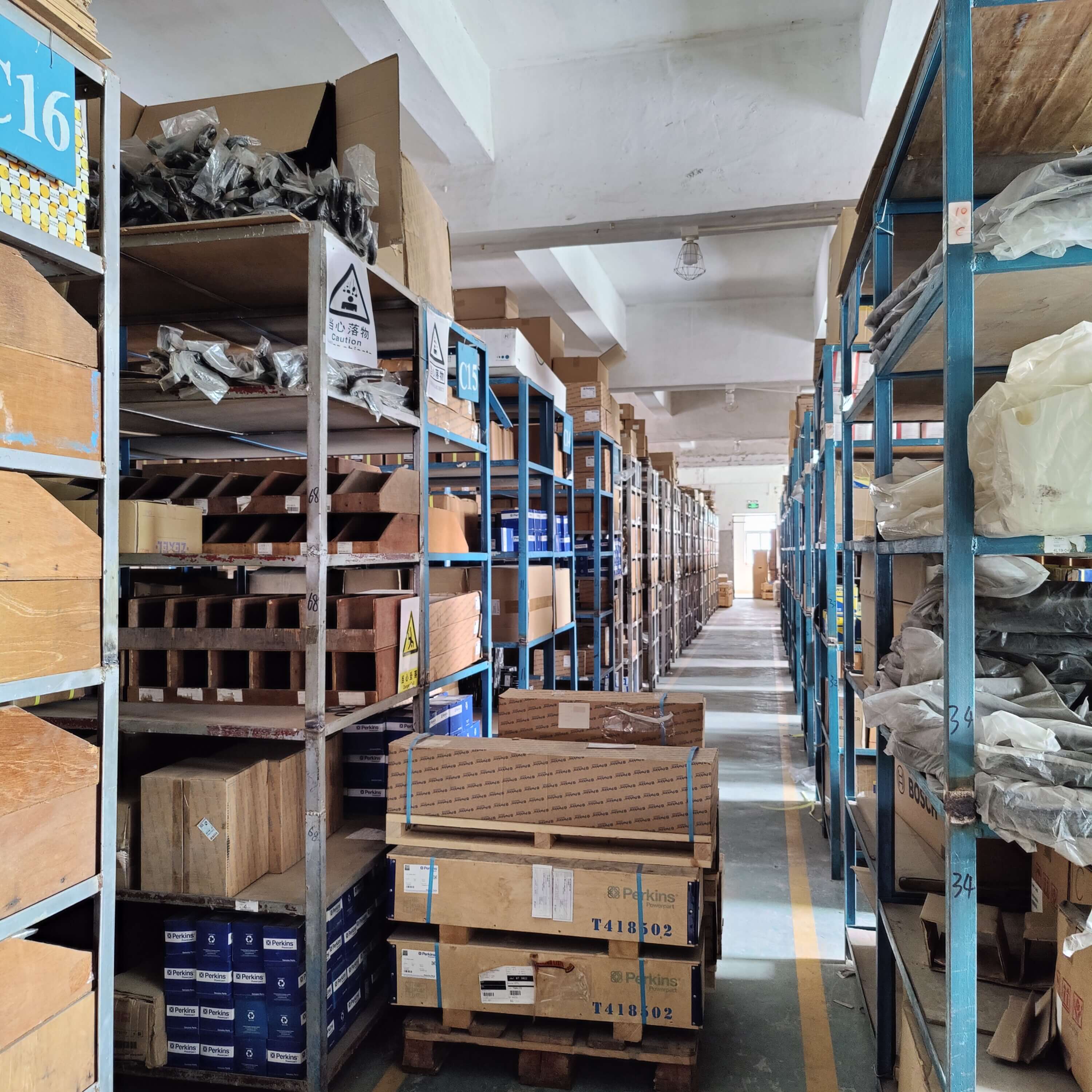
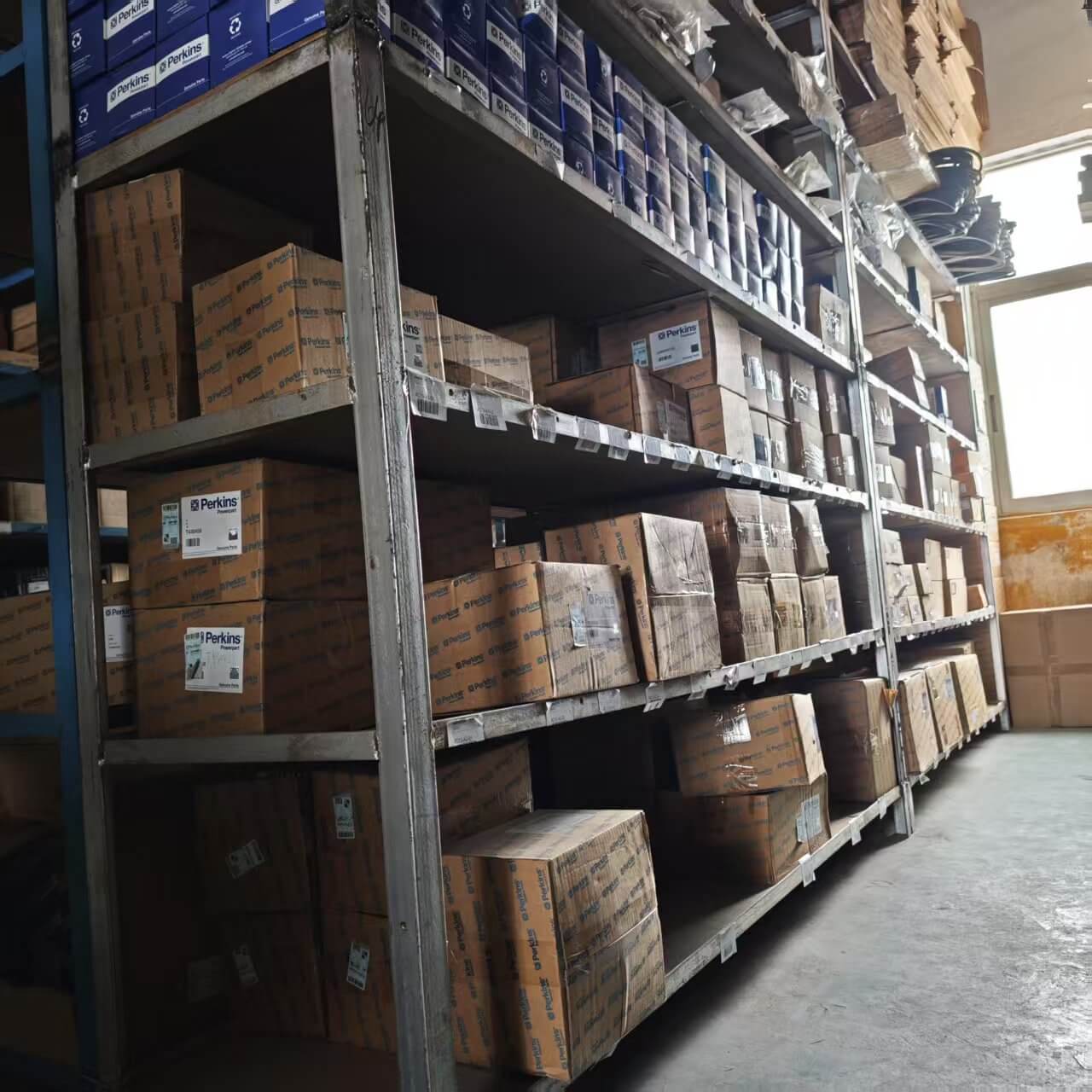
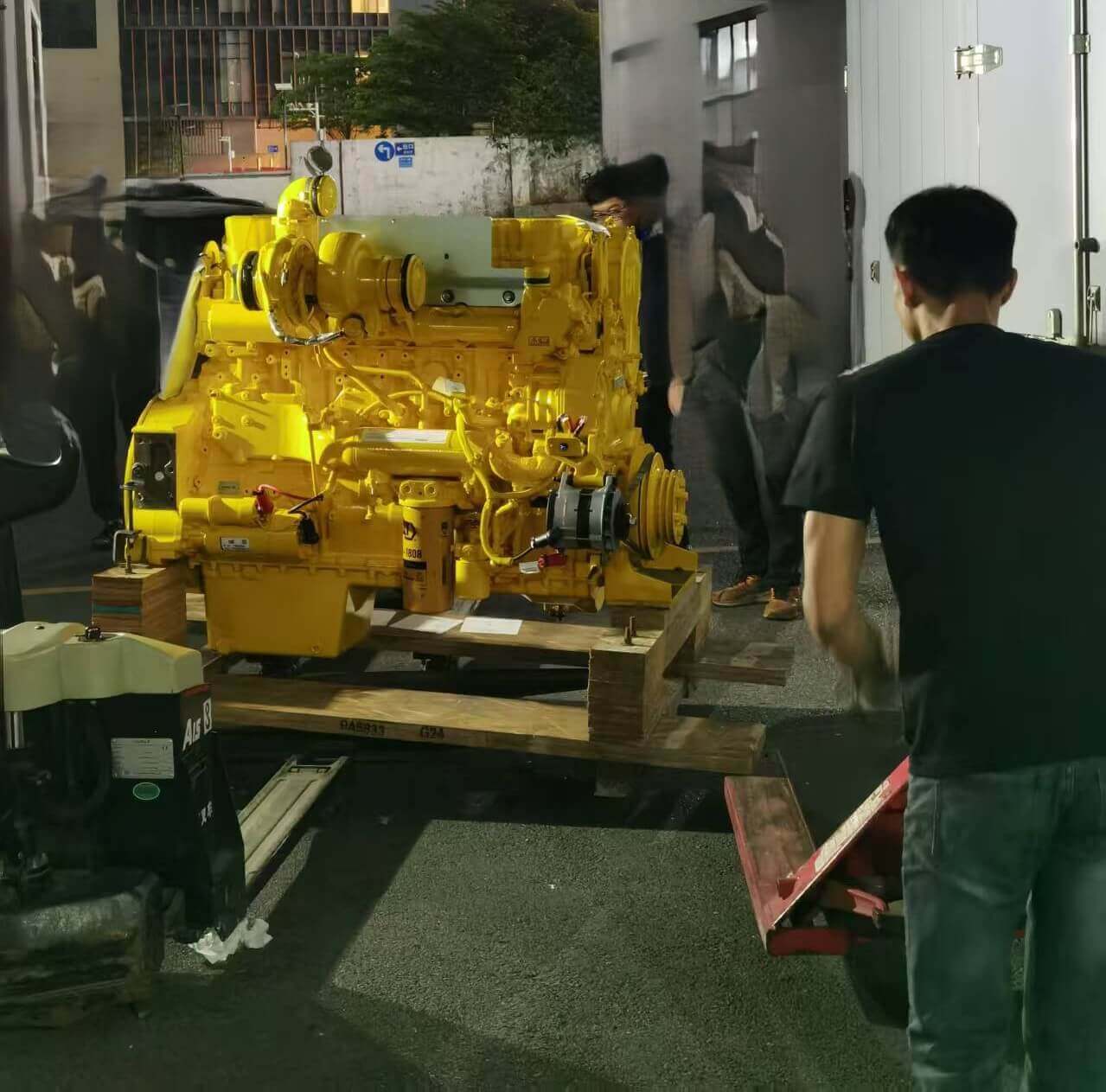
Availability should be confirmed when the inquiry is submitted. The stated lead time is normally 3–4 weeks, while quotations are provided within 24 hours after the configuration, quantity and delivery terms have been defined.
| Order Requirement | Supply Information |
|---|---|
| Supply Source | Genuine Perkins through a first-tier authorised distributor channel |
| Quotation Basis | Engine configuration, quantity and delivery terms |
| Quotation Time | Within 24 hours after receiving complete inquiry information |
| Typical Lead Time | 3–4 weeks, subject to availability confirmation |
| Pre-Shipment Verification | ESN and nameplate checked before dispatch |
| Test Report | Available on request |
| Export Documents | Commercial invoice, packing list, bill of lading and certificate of origin |
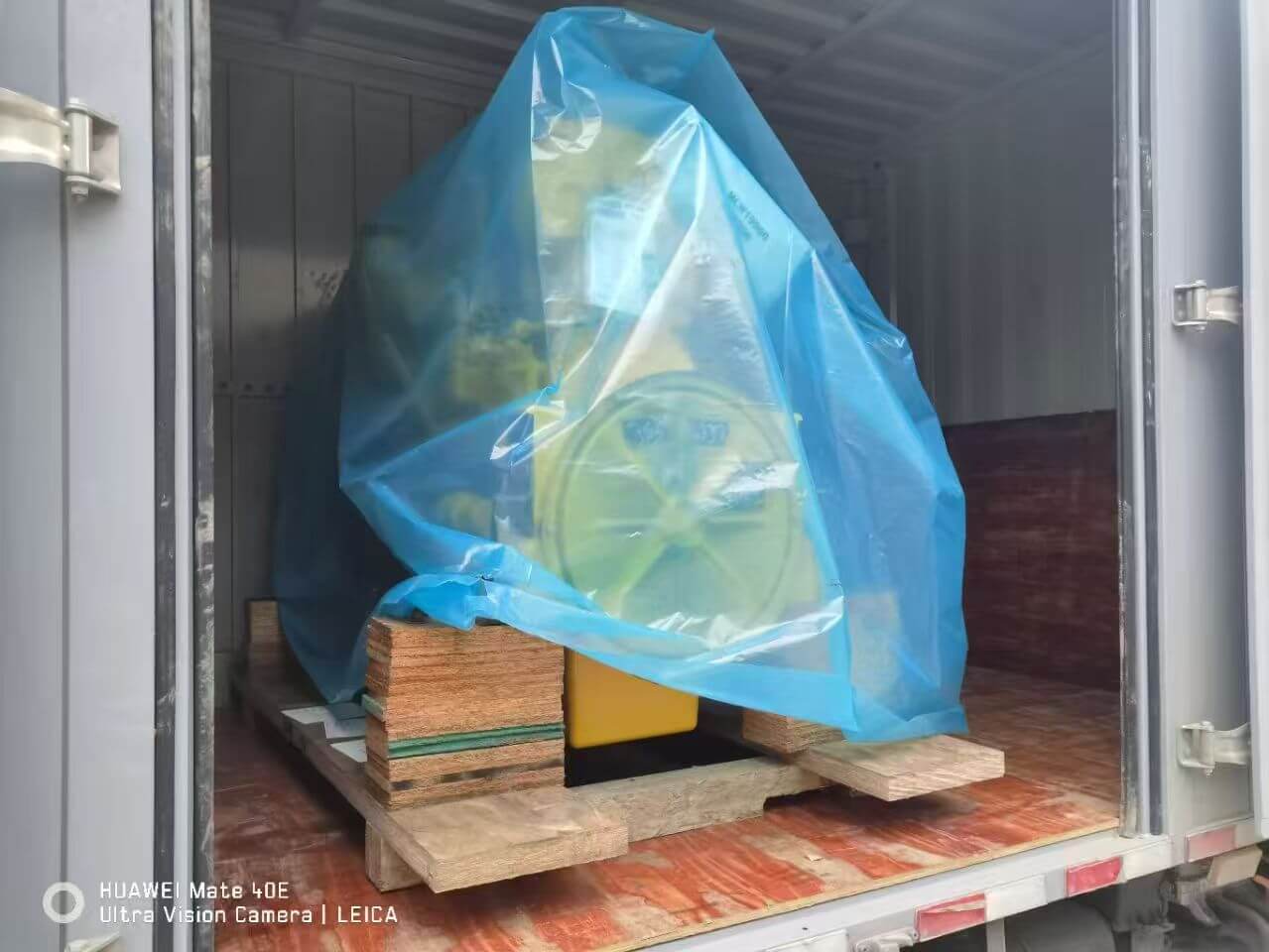
| Shipping | FCL or LCL from Shenzhen, Guangzhou or Shanghai |
| Packaging | Crating and export packaging included |
| Export Experience | Supplied to more than 30 countries |

Warranty Review
The stated warranty period is 12 months or the manufacturer-specified operating hours from the commissioning date, whichever occurs first.
Warranty Boundaries
- Incorrect installation or commissioning is not covered.
- Normal wear and consumption of filters, belts, coolant and lubricants are not covered.
- Damage caused by contaminated fuel or an incorrect lubricant specification is excluded.
- Cooling-system neglect is excluded.
- Unauthorised modifications or repairs during the warranty period are excluded.
- Transit damage must be reported within three working days of delivery.
Evidence Required for Technical Review
- Complete Build List and ESN
- Operating hours
- Description of the fault and operating conditions
- Available fault codes
- Photographs of the affected area
- Relevant commissioning and maintenance records
The stated technical-review period is within two business days after the required information has been submitted. Depending on the assessment, the response may involve replacement parts, coordinated repair support or an engine exchange. The proposed action is confirmed in writing before implementation.
Transit Damage Procedure
Inspect the shipment before signing the delivery receipt. Photograph visible damage before unpacking, record it on the receipt and submit the report within three working days. Do not commission a visibly damaged engine until the transport-damage review has been completed.
Perkins 2806A-E18TTAG5 FAQ
What is the main output advantage of TTAG5 over TTAG4?
TTAG5 provides higher 1500 rpm ratings: 770 kVA prime and 850 kVA standby, compared with 706 kVA prime and 780 kVA standby for TTAG4.
Why do TTAG4 and TTAG5 have the same 1800 rpm ratings?
Both have published 60 Hz ratings of 802 kVA prime and 888 kVA standby. They remain separate Build List configurations and should not be treated as interchangeable solely because their output figures match.
What is the maximum published output?
The maximum stated generator-set output is 888 kVA standby at 1800 rpm. The corresponding electrical output is 710 kWe.
Can the engine be selected for a high-altitude site?
Its parallel twin-turbocharged configuration supports demanding installations, but altitude, ambient temperature, ventilation and load profile must be reviewed for site-specific derating.
Can a TTAG5-powered generator set run in parallel?
Yes, when the complete generator sets have compatible controllers, synchronization equipment, protection settings and load-sharing functions.
What information is required for an engine or parts order?
Provide model 2806A-E18TTAG5, Build List JGFF8098 or JGF8098, the complete ESN, rated speed and the original generator-set details when applicable.
Request a TTAG5 Selection Review
Submit the following through the engine inquiry and quotation page:
- Build List JGFF8098 or JGF8098
- Complete ESN or a clear nameplate photograph
- Required frequency and rated speed
- Prime or standby duty
- Required generator output
- Site altitude and ambient-temperature range
- Generator-set manufacturer and model for a replacement project
- Quantity, delivery terms and destination port
- Required export and test documents
Related Product
-
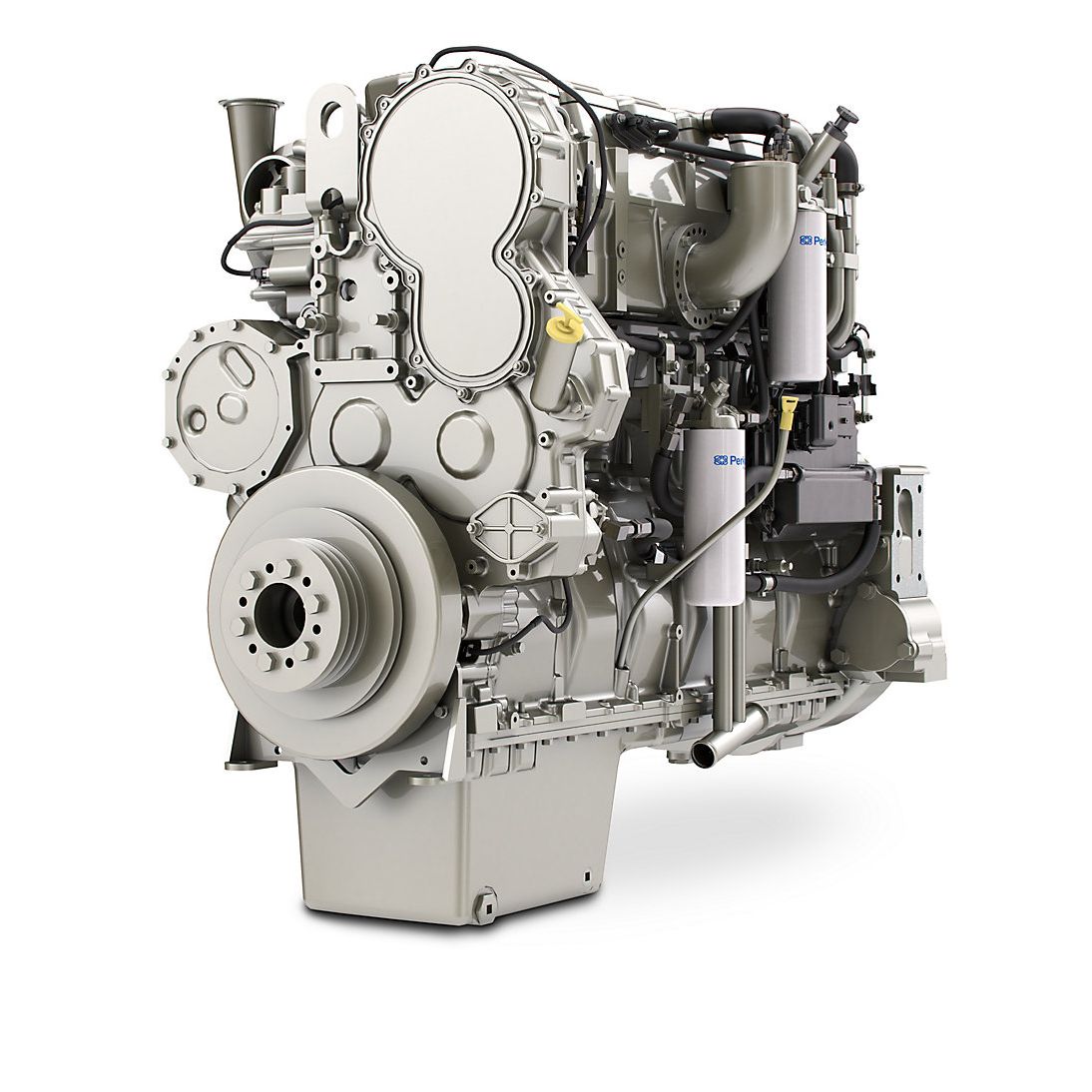 Perkins 2806A-E18TTAG4 ElectropaK Engine – 706–888 kVAPerkins 2806A-E18TTAG4 18.1L ElectropaK engine: 706/780 kVA at 1500 rpm and 802/888 kVA at 1800 rpm. Verify JGE/JGEF8099 and the complete ESN.
 -
Perkins 2806C-E18TTAG7 Stage II Engine – 850–938 kVAPerkins 2806C-E18TTAG7 18.1L Stage II/Tier 2 engine for 60 Hz gensets: 850/938 kVA at 1800 rpm. Confirm JGM/JGMF8094 and complete ESN.
Get Your Engine & Parts Quote
Upload your parts list or send your ESN — we reply within 30 minutes. Engine down? Need fast replacement? Contact us to check today’s stock & delivery time.