

Cummins Intake vs Exhaust Valves: Why Same Size Isn’t Enough

8653
Table of Contents
Generating table of contents
Intake and exhaust valves can look very similar at first glance, but they operate under very different conditions. Exhaust valves sit directly in the hot gas path after combustion and normally carry a much higher thermal load. Intake valves are exposed mainly to the cooler incoming air charge.
That difference affects material selection, heat treatment, valve-head design and surface treatment. It is also why intake and exhaust valves from the same engine are usually separate part numbers and should not be interchanged simply because their dimensions appear close.
This guide is written for buyers sourcing Cummins valves, valve guides, valve seats, springs and related cylinder-head components. It is especially relevant to spare-parts teams supporting mining and construction equipment, generator-set service companies, and diesel-engine repair shops.
The purpose is to explain:
- What actually determines whether a valve-related part will fit;
- Which components are commonly omitted from valve quotations;
- How to reduce the risk of receiving parts that cannot be assembled or require a second order.
This article focuses on part identification and purchasing logic. It does not provide machining parameters, inspection limits, installation procedures or repair instructions. Those tasks should be handled by a qualified repair or cylinder-head machine shop using the applicable service information.
When the valve is blamed for the wrong problem
Low power, hard starting or low compression in one cylinder is often described simply as “a bad valve.”
In practice, the same symptoms may come from:
- A burned, distorted or poorly sealing valve face;
- A worn valve seat or seat insert;
- Excessive valve-guide wear;
- A fatigued or broken valve spring;
- A damaged retainer or keeper;
- Incorrect valve lash or another valve-train issue;
- Piston ring, cylinder liner or cylinder head gasket problems;
- Injector, combustion or cooling-system faults.
Because the external symptoms overlap, the correct repair depends on the actual inspection findings.
A buyer should not order a complete valve set based only on low compression, leakage, smoke or poor performance. The first step is to determine whether the problem is in the valve, seat, guide, spring or another engine system.
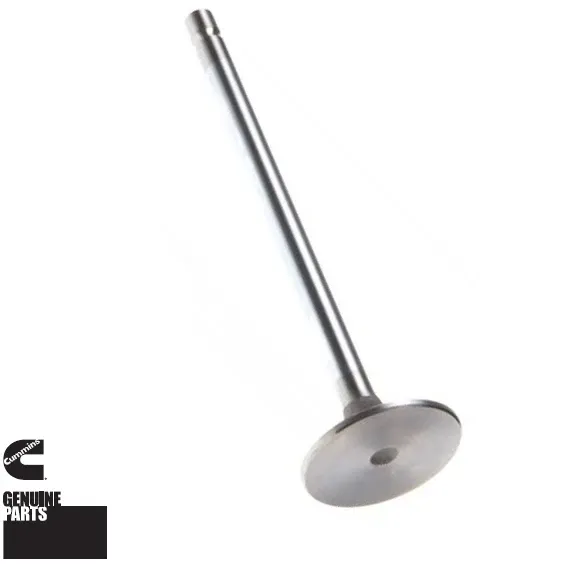
Intake and exhaust valves: similar appearance, different design
Because the exhaust valve operates at a higher temperature, the intake and exhaust valves in the same engine may use different materials, heat treatments and surface-hardening processes even when their head or stem diameters look almost identical.
Other differences that may not be obvious during a quick visual check include:
- Valve head diameter;
- Valve stem diameter;
- Overall length;
- Valve face geometry;
- Valve margin;
- Valve tip design;
- Number and position of keeper grooves;
- Compatibility with the retainer, keeper or valve rotator.
Before requesting a quotation, confirm:
- Whether you need intake valves, exhaust valves or both;
- The quantity of each per engine;
- Whether the request is for individual parts or a complete valve set;
- Whether the current cylinder head is still the original factory configuration;
- Whether an engine brake system may affect the exhaust-side arrangement.
An engine brake normally acts through the exhaust-side valve train, but that does not mean every engine with an engine brake uses a different exhaust valve.
Any brake-specific valve configuration should be verified by ESN, CPL, current cylinder head service part number and official parts records. It should not be assumed from the presence of an engine brake alone.
Why length and diameter are not enough
Most valve inquiries provide only three measurements:
- Overall length;
- Valve stem diameter;
- Valve head diameter.
These values are useful for initial screening, but they are usually not enough for final confirmation.
Two valves can share the same three main dimensions and still be incompatible if the valve-face contact area, valve-tip shape or keeper-groove position is different.
Those details determine:
- Whether the valve face contacts the current seat or seat insert correctly;
- Whether the keeper can lock into the valve stem;
- Whether the retainer matches the keeper;
- Whether the rocker or crosshead contacts the valve tip in the correct position;
- Whether the installed stem height matches the current cylinder-head configuration.
The most reliable matching basis is:
ESN + CPL + Current Cylinder Head Service Part Number + Valve Service Part Number
Measurements and old-part photos are valuable supporting evidence, but they should not be the only ordering basis.
This is especially important when the cylinder head has been replaced or rebuilt after the engine left the factory. In that situation, the current head configuration may be more relevant than the original engine BOM.
Valve guide: guide wear does not automatically mean the valve is the only part to replace
The valve guide is installed in the cylinder head and controls the movement of the valve stem.
When the guide wears, the valve stem may no longer move in a stable path. This can lead to:
- Misalignment between the valve face and seat;
- Reduced sealing performance;
- Accelerated wear of the stem and guide;
- Oil entering the intake port or combustion area along the valve stem.
Blue smoke can sometimes be related to guide or valve stem seal wear, but it is only one possible cause and is not enough by itself to justify ordering valve guides.
Whether a worn guide can be replaced separately, what machining is required, and whether a standard or approved repair-size guide is used depends on the cylinder-head design and current repair condition.
Before ordering, confirm:
- Valve guide part number;
- Intake or exhaust position;
- Inside and outside diameters;
- Overall length;
- Upper and lower end design;
- Interface with the valve stem;
- Interface with the valve stem seal;
- Whether the current guide bore has been machined;
- Whether an approved repair-size configuration is already in use.
Two guides with the same outside diameter may still be incompatible if their inside diameter, length, seal interface or guide-bore condition differs.
If the original guide is badly worn, replacing the valve alone may not restore the correct guiding relationship. Whether the guide and valve should be handled together is a repair decision based on actual measurements.
Valve seat and seat insert: the cylinder-head design determines the supply method
The valve seat is the working surface that contacts the valve face when the valve closes.
A seat insert is a separate ring installed in the cylinder head.
Some Cummins cylinder heads use separately supplied seat inserts. Others use an integral seat area in the head or another approved repair arrangement.
This is not a configuration the buyer can choose freely. It is determined by the current cylinder-head design and the applicable repair method.
To identify the correct part, provide:
- Current cylinder head service part number;
- Cylinder head casting number;
- Intake or exhaust position;
- Existing seat arrangement;
- Whether the head has been repaired before;
- Photos and visible markings.
A request such as “Cummins valve seat” is usually not enough to complete the match.
If the required part is a seat insert, also confirm:
- Seat insert part number;
- Intake or exhaust application;
- Inside and outside diameters;
- Height;
- Material;
- Whether it is a standard or approved repair configuration;
- Quantity per engine.
Replacing the valve does not automatically make the original seat reusable
The valve and valve seat form one sealing pair.
If one side shows burning, abnormal wear or contact misalignment, the condition of the other side should also be checked. Installing a new valve does not prove that the existing seat is still suitable.
Whether the seat can remain in service, needs machining, should be repaired or must be replaced is determined by its contact condition, repair history and the applicable service information.
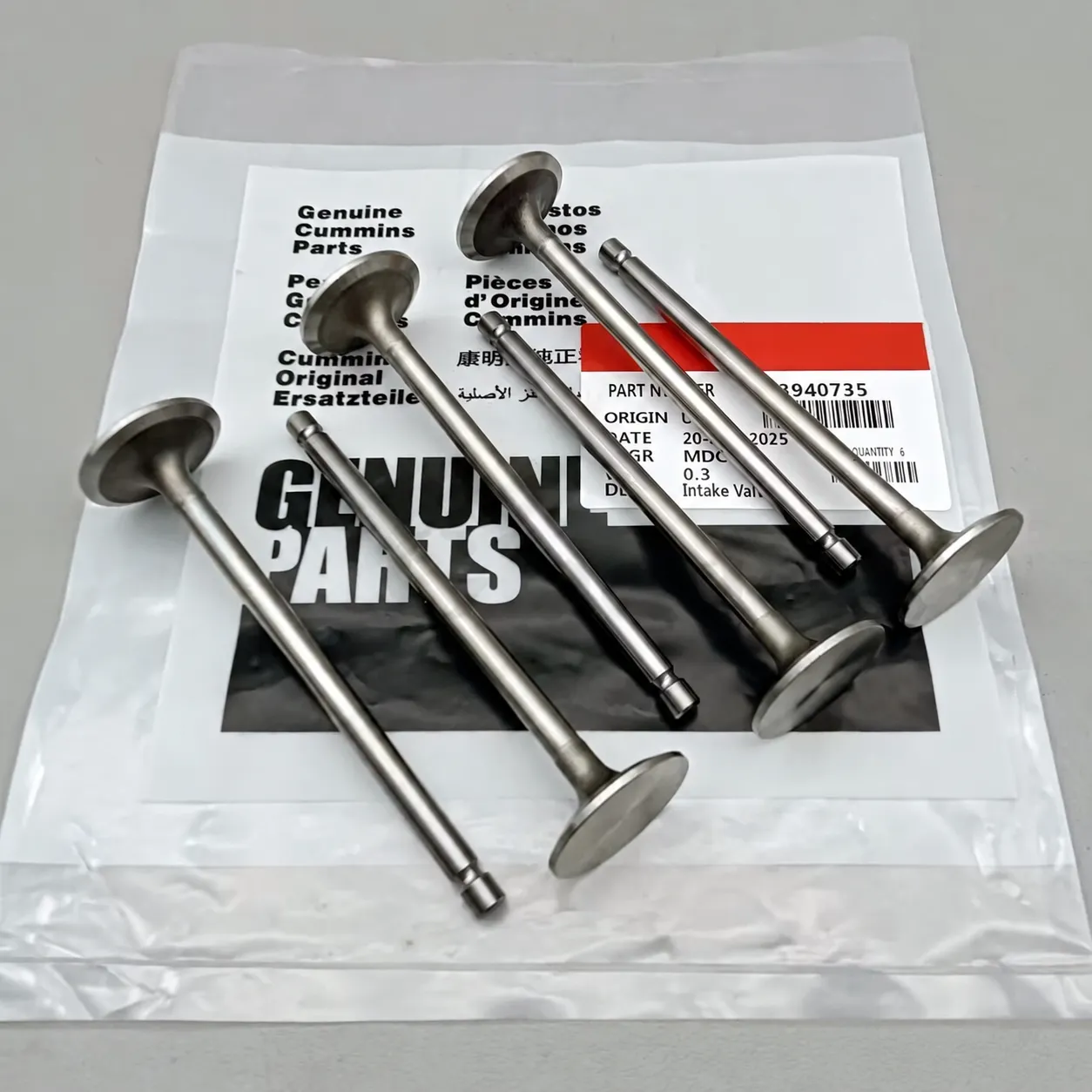
Valve spring: match the whole system, not just “a stronger spring”
The valve spring returns the valve to the closed position after cam action and keeps valve motion controlled throughout the engine’s operating speed range.
Its free length, construction and working load are part of the complete valve-train design and must match:
- The camshaft;
- Rocker or crosshead;
- Valve;
- Spring retainer;
- Valve rotator;
- Engine operating-speed range;
- Intake or exhaust position.
Some Cummins configurations use one spring per valve. Others may use an inner and outer spring combination.
A valve spring is not safer simply because it feels stiffer.
If spring load or construction does not match the original system, whether too high or too low, it can affect:
- Valve closing behavior;
- High-speed stability;
- Contact loading between the valve and seat;
- Rocker and crosshead operation;
- Spring service life.
Free length alone is not enough to confirm an order.
Also verify:
- Valve spring part number;
- Intake or exhaust position;
- Single- or dual-spring arrangement;
- Whether inner and outer springs are quoted separately;
- Outside diameter, wire diameter and coil count;
- Matching spring retainer;
- Whether the position uses a valve rotator;
- Quantity per engine.
Whether the original spring is still serviceable, whether springs should be handled as a set, and whether old and new springs can be mixed are repair decisions based on inspection results.
Retainer, keeper, rotator and stem seal: four separate checks
The valve spring is not fixed directly to the valve stem. A group of small parts at the top of the valve secures the spring, locks the assembly, controls rotation and regulates oil around the guide.
These parts are often grouped incorrectly on quotations, but they should be checked separately.
Keeper and retainer are not the same part
The spring retainer sits at the top of the valve spring and supports and retains the spring.
The keeper, also called a collet or valve lock, fits into the keeper groove in the valve stem and locks the retainer to the stem.
The same valve stem diameter does not guarantee that the keeper and retainer are interchangeable.
If the replacement valve uses a different keeper-groove design, the original keeper and retainer may no longer fit. Confirm:
- Number of keeper grooves;
- Groove shape and position;
- Keeper or collet design;
- Retainer taper;
- Valve tip geometry;
- Whether a valve rotator is used.
Not every valve position uses a rotator
Some engines use a valve rotator in selected positions so the valve turns slightly during operation, helping distribute heat and contact wear more evenly.
Whether a position uses a rotator, and whether the rotator is integrated with the retainer or supplied separately, depends on the engine and cylinder-head design.
A part that looks like a conventional retainer should not be assumed to be one without verification.
The valve stem seal is one of the most commonly omitted items
The valve stem seal controls oil around the valve stem and guide, reducing the risk of excessive oil entering the intake port or combustion area.
Different engines may vary in:
- Whether a separate stem seal is used;
- Whether intake and exhaust positions use the same seal;
- The interface between the seal and the top of the guide;
- Whether the seal is combined with a spring seat or another component.
A valve, valve guide or valve kit quotation should not be assumed to include the stem seal.
Confirm it as a separate line item:
- Valve stem seal part number;
- Whether intake and exhaust positions are the same;
- Quantity per engine;
- Whether it is included in the valve set;
- Whether it is included in the cylinder head kit;
- Whether it is included in the top-end overhaul kit.
Installed position and stem height affect the complete valve train
Valve overall length, valve-tip geometry, keeper-groove position and seat machining condition determine the installed valve position and stem height.
If these do not match the current cylinder-head requirements, they can affect:
- Rocker or crosshead contact position;
- Valve-lash adjustment range;
- Valve spring installation relationship;
- Overall valve-train mechanical clearance.
If the deviation is severe, it may also increase the risk of valve-to-piston interference.
These dimensions require dedicated measurement equipment and the correct technical data. They should be checked by the cylinder-head repair or machining facility, not inferred from a general parts catalog.
“Valve Kit” does not mean the same thing from every supplier
A quotation labeled Valve, Valve Kit, Head Repair Kit or Top-End Kit may represent a very different supply scope depending on the supplier.
Some suppliers use Valve Set to mean valves only. Others may combine valves, guides, seat inserts, springs, retainers, keepers and stem seals.
There is no standardized BOM behind labels such as Complete or Full Kit.
Before accepting the quotation, verify:
- Intake valve part number and quantity;
- Exhaust valve part number and quantity;
- Valve guides;
- Seat inserts;
- Valve springs;
- Inner and outer springs, if applicable;
- Spring retainers;
- Keepers or collets;
- Valve rotators;
- Valve stem seals;
- Spring seats, washers or valve caps;
- Applicable ESN, CPL and current cylinder head part number.
If you already have a supplier quotation but are not sure whether it covers the full requirement for the current cylinder head, send the quotation together with the ESN and CPL. ZEB Power can help review the BOM and quantity scope before you place the order.
Genuine and quality alternative parts: evaluate risk and evidence
Valves and related components operate under heat, repeated impact, friction and spring load. They should not be selected by price and external dimensions alone.
That does not mean every project must automatically use new genuine parts.
For equipment with high downtime costs, short maintenance windows or strict traceability requirements, the main purchasing criteria usually include:
- Confirmed part-number applicability;
- Evidence for material and manufacturing quality;
- Batch consistency;
- Inspection records;
- Warranty route;
- Supply stability;
- Clear responsibility if a claim occurs.
New genuine parts normally provide a more direct link to official applicability, packaging, traceability and warranty support.
A quality alternative requires stronger evidence from the supplier, including:
- Clear cross-reference;
- Confirmed applicable service part number;
- Valve stem, head and overall length information;
- Verified valve-face and seat relationship;
- Keeper-groove and retainer compatibility;
- Material, heat-treatment and surface-treatment information;
- Batch inspection records;
- Warranty and claim process.
Projects that are more sensitive to budget or lead time may evaluate a quality alternative after these conditions have been confirmed. The decision should not be based only on whether the equipment is described as “backup equipment” or on the lower unit price.
Equipment with low annual running hours can still be mission-critical. An emergency generator, for example, may operate infrequently but become essential during a power failure.
Whichever option is selected, one risk remains the same:
A valve that can be installed does not prove that the complete valve assembly is correctly matched.
A mismatch in the guide, seat insert, spring, retainer, keeper, rotator or stem seal can still lead to rework, additional orders and longer downtime.
If you are comparing new genuine and quality alternative options for a specific application, provide the ESN, CPL, operating conditions, budget, lead-time target and warranty requirements. ZEB Power can help compare currently available supply options.
The current cylinder-head configuration determines the complete specification
Even within one Cummins engine family, the valve, guide, seat insert and spring specification may vary because of:
- Emissions and control version;
- Number of valves per cylinder;
- Fuel system;
- Injector installation or actuation design;
- Engine brake configuration;
- Cylinder-head version;
- Equipment application;
- Official supersession.
The most reliable matching basis is:
ESN + CPL + Current Cylinder Head Service Part Number + Old Part Information
The word Current matters.
If the cylinder head has been repaired, replaced or rebuilt, the actual configuration may no longer match the original engine BOM.
Use the current cylinder head service part number and actual configuration as the primary basis for ordering.
The cylinder head casting number, old-part markings, photos and repair records can support identification, but a casting number is not necessarily the orderable service part number.
Information to provide before ordering
Engine and cylinder-head information: Cummins engine model, ESN, CPL, rated power and speed, equipment brand and full model, application, current cylinder head service part number and casting number, whether the head has been replaced or rebuilt, whether valve guides or seat inserts have already been replaced, and whether the engine has an engine brake.
Valve information: Whether intake valves, exhaust valves or both are required; quantity of each per engine; visible markings; clear photos of both sides of the valve head; photos of the stem, tip and keeper groove; overall length; stem diameter; head diameter; and damaged area.
Related component information: Part numbers for the valve guide, seat insert, valve spring, spring retainer, keeper or collet, valve rotator and stem seal, if known; single- or dual-spring configuration; old-part photos and quantities; and whether individual parts or a complete kit are required.
Commercial requirements: New genuine or quality alternative, quantity, destination, required lead time, packaging and labeling requirements, and whether batch inspection or traceability records are required.
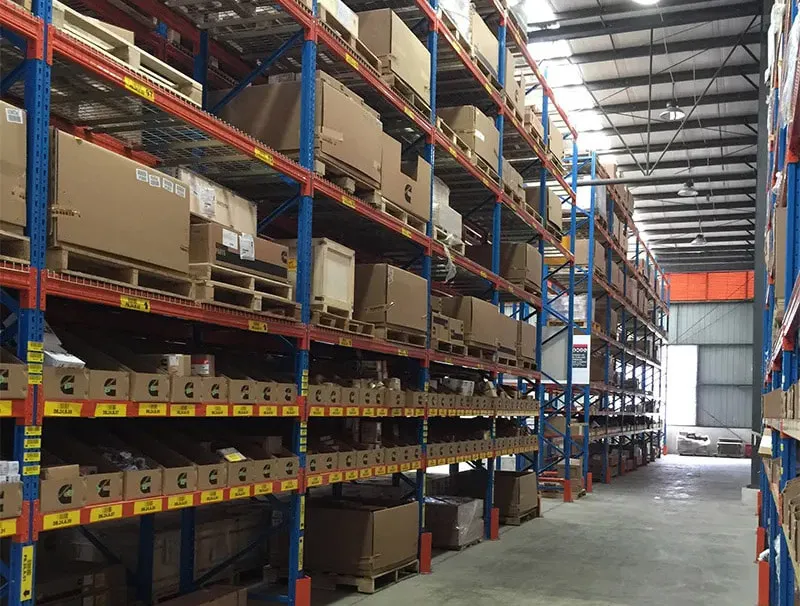
How ZEB Power supplies Cummins valve and cylinder-head parts
ZEB Power supplies Cummins valves and related internal cylinder-head parts for construction machinery, mining equipment, generator sets and industrial equipment.
Based on the ESN, CPL, current cylinder head service part number, old part numbers and clear photos, we can help verify:
- Intake valve part number;
- Exhaust valve part number;
- Valve guide part number;
- Seat insert part number;
- Valve spring configuration;
- Inner and outer springs, where applicable;
- Spring retainer;
- Keeper or collet;
- Valve rotator;
- Valve stem seal;
- Cylinder-head applicability;
- Supersession;
- Actual BOM for a valve set or head repair kit;
- New genuine and confirmed quality alternative options;
- Quantity, lead time and quotation scope.
Inspection, machining, installation, adjustment and reuse decisions must still be completed by a qualified local repair facility using the applicable service information. ZEB Power’s role is to support part identification, BOM confirmation and sourcing.
Send the engine ESN, CPL, current cylinder head service part number, required intake and exhaust valve quantities, and clear photos of the old parts and visible markings. ZEB Power can help verify candidate part numbers, kit scope and current supply options.
Frequently asked questions
Can intake and exhaust valves be interchanged?
Usually not. They may use different materials, heat treatments, valve-head designs, valve-face geometry and keeper-groove arrangements. Confirm the part number and quantity for each position separately.
If two valves have the same length and stem diameter, can they be interchanged?
Not automatically. The valve face, tip, keeper groove and compatibility with the guide, seat, retainer and keeper must also match.
Is every valve seat a separately replaceable seat insert?
No. Some Cummins cylinder heads use a separate seat insert, while others use a different seat design or repair method. Confirm the current cylinder head service part number and applicable repair information.
Can a worn valve guide be replaced separately?
It depends on the cylinder-head design, guide-bore condition and repair method. The repair facility should inspect the guide, valve and seat before deciding the repair scope.
What is the minimum information required if the old part number is unavailable?
At minimum, provide the ESN, CPL, current cylinder head service part number, intake or exhaust position, and clear photos of the old part.
If the engine or cylinder head has several possible configurations, additional dimensions, markings, repair history and related component information may be required.
Can I order only one valve?
You can request one valve, but the intake or exhaust position, applicable service part number and current cylinder-head configuration must be clear.
Whether only one valve should be replaced, or whether other valves in the same cylinder or engine should be handled together, is a repair decision. The condition of the guide, seat, spring and retainer should also be considered.
Does every supplier use the same BOM for a Valve Set?
No. Valve Set is not a standardized BOM. One quotation may include valves only, while another may also include guides, seat inserts, springs, retainers, keepers and stem seals. Review every line item before ordering.
What evidence should a supplier provide for a quality alternative?
At minimum, request a clear cross-reference, applicable service part number, key dimensions and material information, batch inspection records, warranty terms and a claim process. A label stating only fits Cummins is not enough for a purchasing decision.
Is MOQ based on one part, one set or one complete engine quantity?
It depends on the part and supply channel.
List intake valves, exhaust valves and related parts separately, and state whether the quantity is for one cylinder, one complete engine or a multi-engine order.
How much longer is the lead time for new genuine parts compared with quality alternatives?
There is no fixed answer for all Cummins valve parts. Lead time depends on the service part number, quantity, stock status, production schedule and destination. It should be confirmed during quotation for the specific ESN and CPL.
What if the cylinder head was rebuilt after the engine left the factory?
Use the current cylinder head service part number and actual configuration as the primary basis.
Casting numbers, old-part photos, markings and repair records support identification, but the order should not be based only on the original engine BOM or on a casting number.