

Cummins Intake Manifold Buyer’s Guide: Intake Horn, EGR & Grid Heater

8173
Table of Contents
Generating table of contents
The same Cummins engine can use a completely different intake connection when installed in a generator set instead of an excavator.
Radiator, charge-air cooler, enclosure and frame layouts determine whether the boosted-air pipe approaches from the front, side or top. If a buyer provides only the engine model and does not describe the equipment or current pipe routing, a replacement part may fit correctly on the cylinder-head side while the opposite end no longer connects to the original charge-air pipe.
That is only one reason Cummins intake-side parts are frequently misidentified. What a buyer calls an Intake Manifold may not be the same supply-level part understood by the seller. One buyer may mean the short inlet component that carries boosted air into the engine, often called an Intake Horn or Air Intake Connection. Another may mean the complete intake manifold that distributes air along the cylinder head. On some engines, the same area also includes a grid heater, EGR mixer, sensor or throttle-related component.
When several functions are concentrated around adjacent parts, the phrase “I need an intake manifold” is not enough to define the actual requirement.
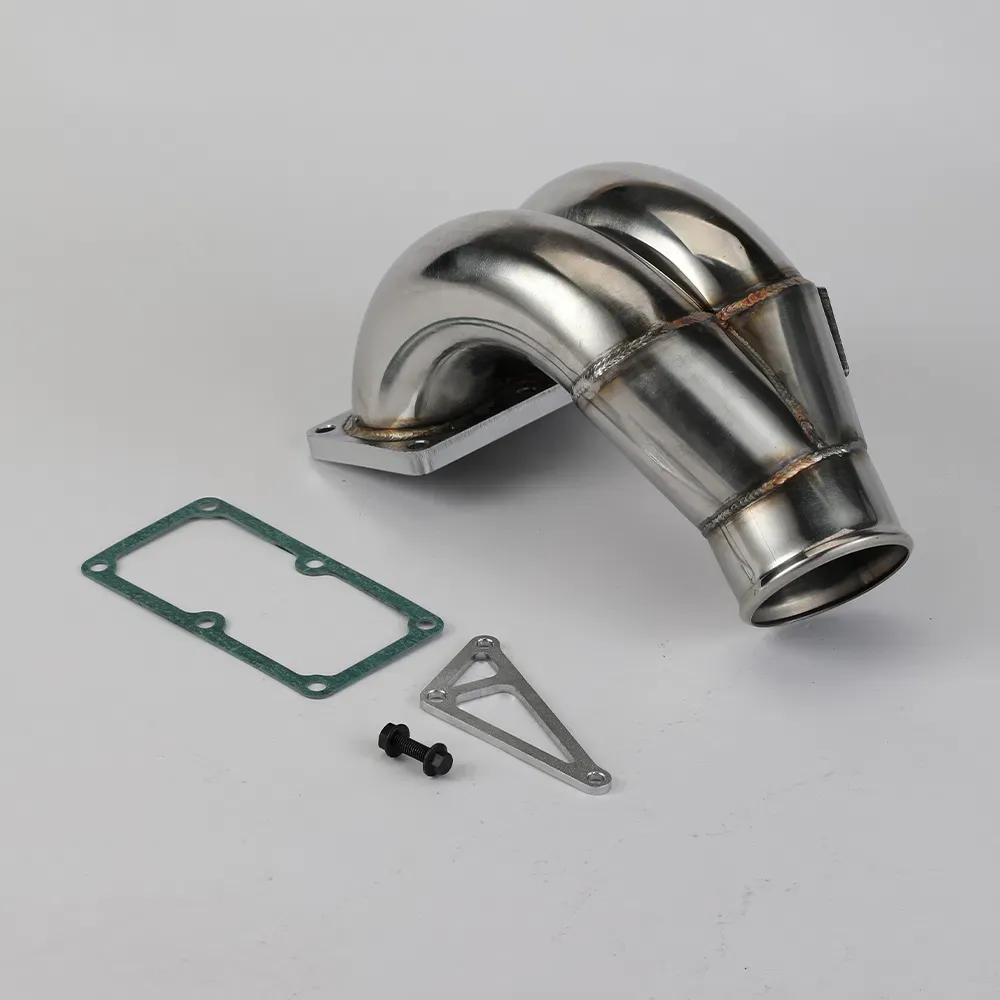
This guide is written for buyers sourcing Cummins intake manifolds and related intake-side components. It explains how the intake horn, grid-heater arrangement, EGR inlet, sensor position and charge-air pipe direction affect the correct part match.
Boost-fault diagnosis, grid-heater electrical testing, sensor calibration and EGR-system repair should be handled by a qualified service provider and are outside the scope of this article.
First Confirm Which Supply-Level Part Is Required
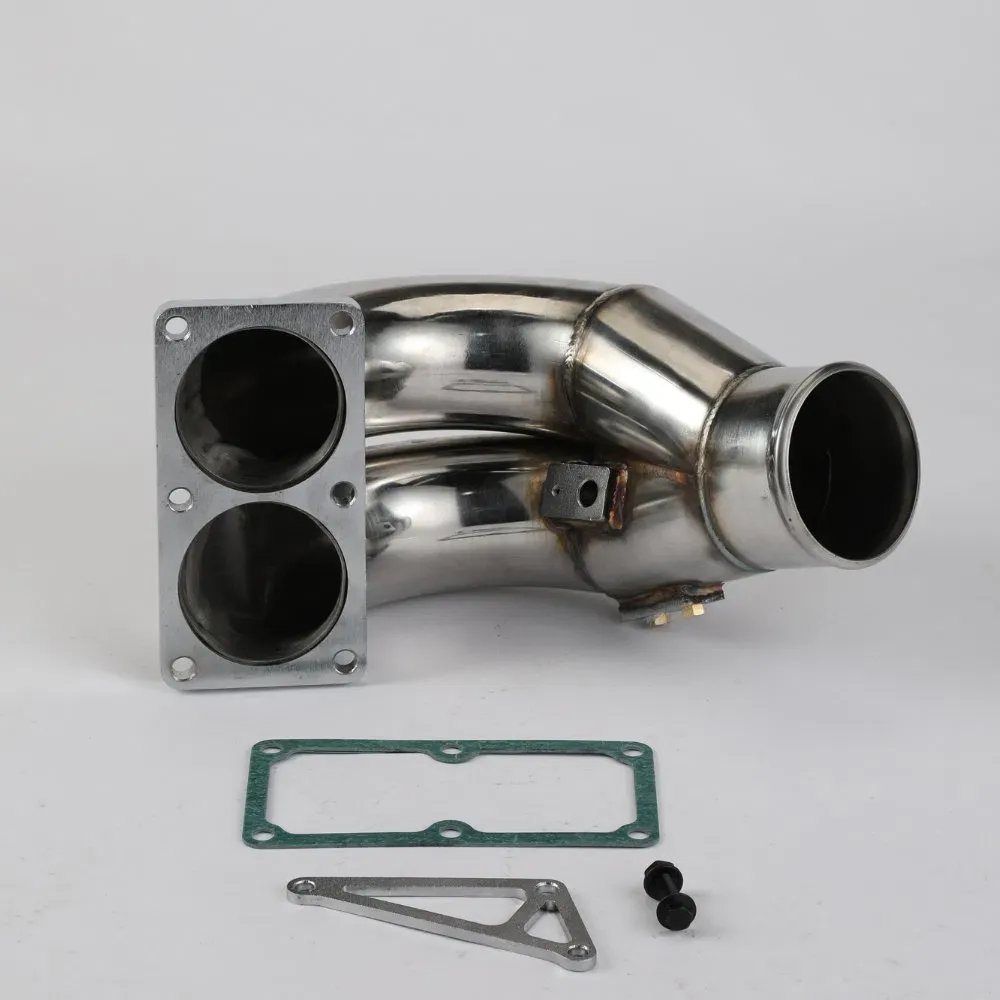
On some engines, boosted air leaving the charge-air cooler first enters a separate air intake connection. The downstream manifold or internal cylinder-head passages then distribute the air to each cylinder.
Other designs combine the inlet, plenum and distribution passages into a larger assembly.
A buyer may therefore send a photo of a curved inlet component and call it the Intake Manifold, even though the actual requirement is only an air intake connection. Conversely, a request for an Intake Horn should not automatically be treated as a simple external elbow.
The important question is not which market term is preferred. It is what the part actually does: does it only connect the charge-air pipe to the engine, or does it directly participate in distributing air to the cylinders?
Before disassembly, photograph the original part while it is still connected to the charge-air hose, EGR pipe, grid heater and sensor. Once the assembly has been separated, inlet direction, adjacent interfaces and the original supply level can be difficult to reconstruct without additional measurements and close-up photos.
A casting number on the old part may help narrow the search, but it is not always the formal service part number. Final identification should still be based on the ESN, CPL, equipment application, current installation and the applicable parts record.
Grid-Heater Configuration Cannot Be Decided Only by Climate
Some Cummins diesel engines use an intake air heater or grid heater to support cold starting.
The installation is not standardized across all platforms. The heater may be a separate plate, may sit inside the air intake connection, or may be mounted at the intake-manifold inlet. Heater thickness, opening, terminal direction and cable routing can also vary.
An important point is that the grid heater may be part of the engine’s formal configuration and may correspond to the ECM strategy and harness layout.
A machine operating in a warm climate should not automatically be converted from a heater-equipped version to a non-heater version. The issue is not only whether preheating is currently needed. The manifold, air intake connection, wiring and engine option still need to remain compatible.
When matching the manifold, first confirm whether the engine uses an intake air heater, whether the old heater will be reused, whether the heater is included in the quotation, and the old heater’s part number and terminal direction.
Only when the quotation includes the heater itself is it necessary to continue with voltage, electrical connection and application verification. For a manifold-only or air-intake-connection order, heater wattage is usually not the primary identifier for the housing version.
The EGR Inlet Represents a Mixing Path, Not Just a Hole
An EGR system returns part of the cooled exhaust gas to the intake side, where it mixes with fresh charge air before entering the cylinders.
The mixing location varies by Cummins platform. Exhaust gas may enter through a separate EGR mixer, before or after the throttle, through the air intake connection, or directly at the intake-manifold inlet.
Different emissions platforms, ratings and applications may use cooled-EGR or EGR-free architectures. Even when displacement or product platform appears similar, the engine-family name alone does not confirm whether the intake manifold should have an EGR connection.
The buyer needs to establish where EGR gas mixes with fresh air and which pipe, valve or mixer is connected to the original part.
A non-EGR manifold should not be converted by drilling simply because its external shape looks similar to an EGR version. Likewise, an EGR port should not be blocked without confirming the complete configuration. The port is not an isolated feature; internal flow passages, mixing position, adjacent valves, sensors and engine calibration may all belong to the same system design.
An unused boss or port on the old part should not automatically be described as an unused EGR opening. It may be intended for pressure, temperature or another monitoring function and should be identified from the official part record and current installation.
Matching Sensor Threads Does Not Guarantee Harness Fit
Depending on the engine platform and control system, the intake manifold or adjacent air intake connection may carry a pressure sensor, temperature sensor or combined sensor.
Buyers often compare only the sensor thread and bore, but a matching mechanical interface does not confirm the full configuration.
If the replacement manifold positions the sensor boss at a different angle, the connector may face the opposite direction. The original harness may no longer reach naturally or may have to be routed too close to heat, vibration or moving components.
A different sensor location can also mean that the sensor is measuring a different stage of airflow. It may be placed before EGR mixing, after mixing or deeper inside the manifold. The same thread does not prove that the original sensor can be reused in the same functional position.
For an inquiry, provide a photo of the sensor installed on the old part, together with the sensor part number and connector direction. This information is more useful than a thread specification alone.
The Main Flange May Fit While the Charge-Air Pipe Does Not
When the same engine model is used in a generator set, excavator, loader, truck or industrial machine, the charge-air cooler, radiator, frame and enclosure positions may differ.
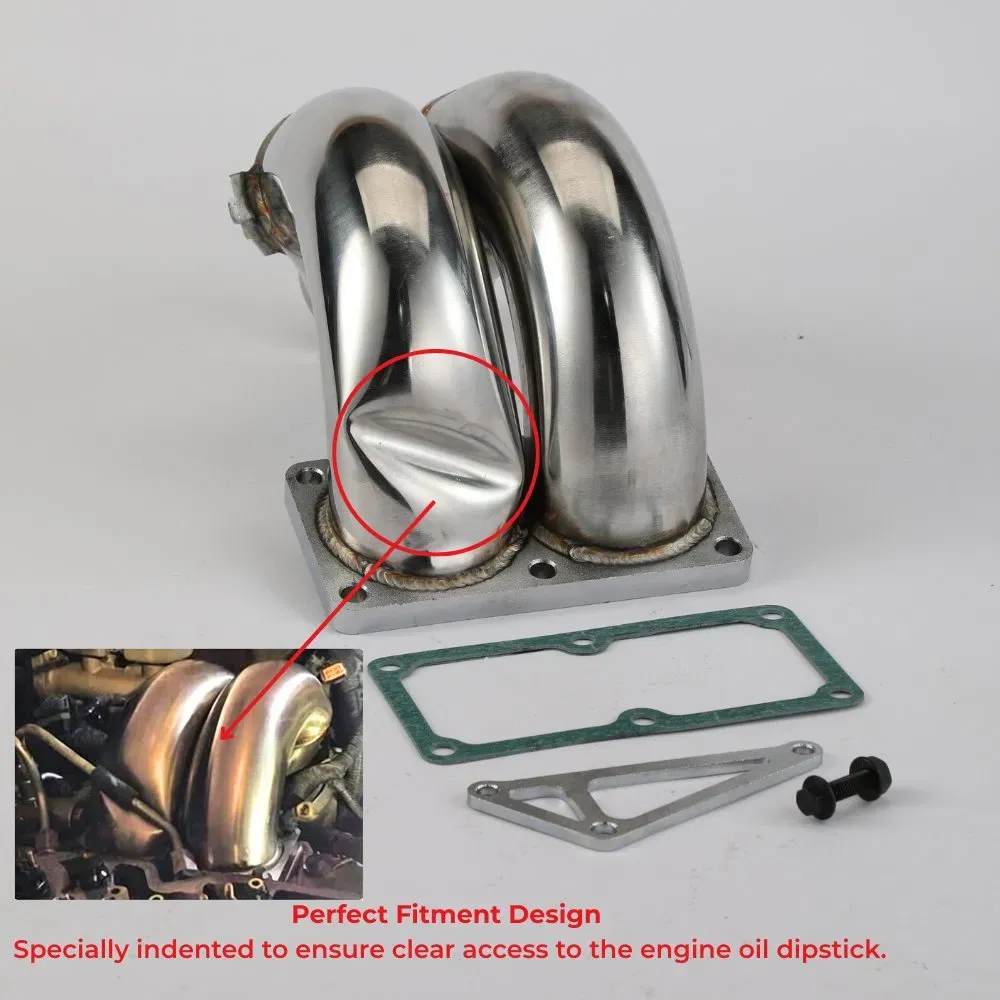
The air intake connection may therefore use a different inlet direction, hose diameter, connection angle, offset, bead location or clamp design.
A replacement may fit perfectly on the cylinder-head or manifold side while its inlet sits farther forward, farther rearward or at a different angle. The original charge-air hose then cannot be connected correctly.
This type of mismatch is not exposed by the main-flange dimensions. Discovering after delivery that the pipe must be remade or forced into position usually means the equipment layout was not considered during part identification.
If the machine has previously received a different charge-air cooler, pipe or upper structure, match the current installation rather than assuming the original engine BOM is still valid.
A Quotation May Say “Intake Manifold” but Cover Only an Inlet Elbow
When the buyer and supplier use Intake Manifold to mean different supply levels, the main risk is not a missing bolt. The entire quotation may refer to the wrong component from the beginning.
The buyer may expect the price to include the manifold body, grid-heater mounting layer and sensor interfaces, while the supplier has quoted only an air intake connection. The reverse can also happen when the buyer needs only the inlet component but receives a quotation for the full manifold assembly.
Before comparing prices, ask the supplier to mark the quoted part on the old-part photo, exploded view or parts diagram. After the exact supply level is agreed, confirm whether the grid heater, sensor, gasket, EGR mixer and mounting hardware are included.
This is more reliable than asking whether the item is a “complete assembly,” because complete has no consistent meaning across suppliers.
If a quotation has already been received and its scope is unclear, send the ESN, CPL, quotation and installation photos to ZEB Power for a BOM and missing-item review before ordering.
Why a Part That “Fits” Can Still Cause a Boost Leak
A replacement air intake connection or intake manifold can create a false sense of success. The main flange, bolt holes and hose may all connect, so the part appears to match.
After the engine returns to service, however, a small inlet-angle error may keep pulling on the charge-air hose. Machining differences at the sealing surface or bolt bosses can reduce sealing quality. Casting flash, cross-section changes or port misalignment inside the passage can also restrict airflow.
Incorrect grid-heater stack-up, EGR-inlet position, sensor direction or harness clearance may create additional problems that were not visible during initial installation.
When evaluating a quality alternative, it is more useful to establish which service part it replaces and then verify inlet angle, port alignment, sealing surface, heater mounting relationship, EGR mixing interface and sensor direction than to ask only whether the material and bolt pattern look the same.
Cummins platforms may use metal, polymer, composite or combined structures. No single material should automatically be treated as superior. The material and construction must correspond to the intended service-part design and operating conditions, and the supplier should be able to provide a clear cross-reference, critical-interface inspection and consistent batch quality.
For intake-side parts, long-term sealing and pipe loading often reveal the true quality of the match more clearly than external appearance.
How ZEB Power Handles Intake-Manifold Inquiries
ZEB Power does not quote directly from the phrase “Intake Manifold.”
We first establish whether the customer needs an inlet connection, the manifold body, or an assembly that includes the heater mounting layer and related interfaces. We then review the equipment type, charge-air inlet direction, grid-heater configuration, EGR mixing location and sensor orientation.
Using the ESN, CPL, old part number or casting number, and complete installation photos, we can help match the air intake manifold, air intake connection, intake horn, manifold cover, gasket, intake air heater, EGR mixer, sensor-port version and related connection parts. We also clarify what is included in each new genuine or confirmed quality-alternative quotation.
Boost-fault diagnosis, heater electrical testing, EGR-function evaluation, sensor-signal verification and reuse decisions should remain with the repair facility using the applicable service information.
Send the engine ESN, CPL, full equipment model and photos of the original part while it is still installed. Mark the charge-air pipe, grid heater, EGR pipe and sensor positions. We will confirm the supply level first, then provide the corresponding part number and quotation.
Frequently Asked Questions
Why did the supplier quote an intake horn when I asked for an intake manifold?
Because market terminology is inconsistent. The safest approach is to identify the exact supply-level part on the old-part photo, exploded view or parts diagram instead of relying on the name alone.
Why does the new connection have the wrong thickness after the grid heater is removed?
The heater may form one layer of the intake connection. Adding or removing it changes flange spacing, bolt length and charge-air pipe position, so the original configuration must be confirmed.
Why does the EGR pipe not connect even though the EGR port looks the same?
Port diameter is only one factor. Mixing location, angle, offset and the adjacent valve or mixer also affect the complete EGR path.
Why does the original harness not fit when the sensor thread is the same?
Connector direction, sensor location and harness layout are equally important. A matching thread confirms only part of the mechanical interface.
What should be checked when oil mist appears after replacing the intake connection?
Oil mist around the connection may indicate an intake-side leak, but the cause can also involve the hose, clamp, gasket, sealing surface or pipe loading. A repair technician should inspect the full joint.
Can a quotation be prepared without the old part number?
An initial match can be made from the ESN, CPL, equipment type, grid-heater and EGR configuration, and complete photos of the original part and pipe layout. Multiple-version applications may still require the casting number, interface details or dimensions.