

Diesel Engine Overhaul vs Long Block vs Reman vs New Engine

643
Table of Contents
Generating table of contents
Once a diesel engine has been confirmed to have significant internal wear, buyers usually face several apparently competing options: overhaul the existing engine, purchase a Long Block, choose a remanufactured engine, or install a new engine.
But this is not a simple four-way choice.
Repair or overhaul describes how the existing engine will be handled. Long Block describes the assembly scope of a replacement unit. Reman and New describe product condition. These are three separate decision axes, not four points on a single ladder. A Long Block may be new or remanufactured, and a complete engine may also be supplied in either condition.
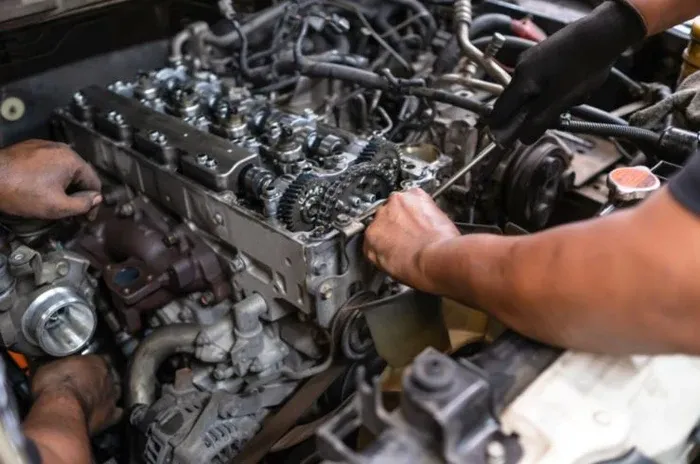
Treating these terms as options at the same level can produce conclusions that appear logical but do not hold up under closer review.
The decision should therefore be made in two stages:
Is the existing engine still worth rebuilding around its current major structures?
Then:
If an assembly must be replaced, how much of the engine should be replaced, and in what product condition?
This article assumes that the engine has already undergone the necessary inspection and that smoke, blow-by, compression, oil analysis or teardown findings support a major repair decision. It does not repeat the diagnostic process. Instead, it focuses on the commercial and repair considerations involved in restoring the equipment to service.
The final assessment of damage, reuse of existing parts and machining requirements should remain with the repair facility responsible for inspection, measurement and assembly.
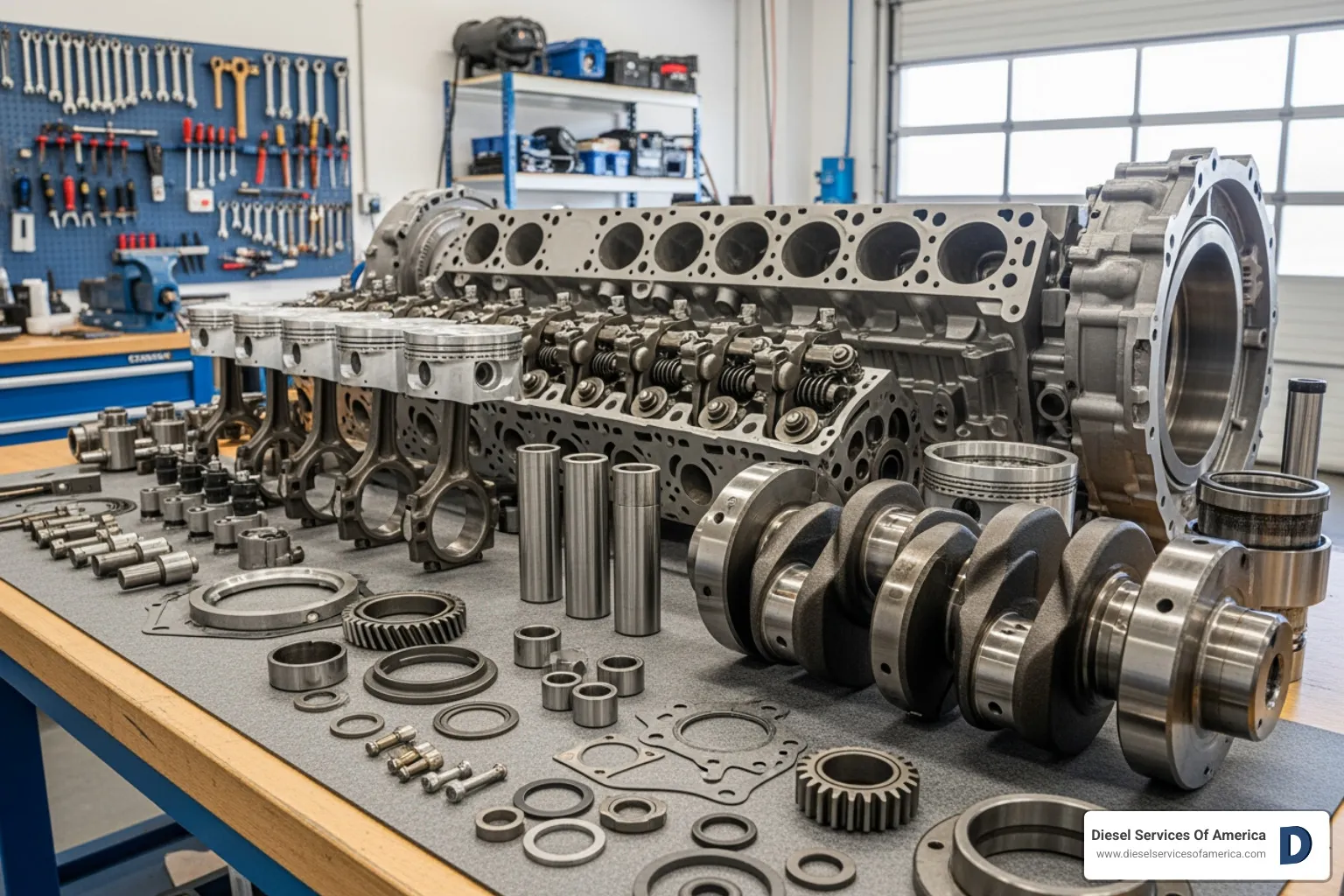
When Overhaul Still Makes Sense—and When Its Value Starts to Decline
The value of an overhaul comes from retaining the major engine structures that still have reliable service potential.
If the cylinder block, crankshaft, main-bearing housing areas and other principal structures remain reusable or economically repairable, while the main wear is concentrated in pistons, liners, bearings, seals and similar internal components, a systematic overhaul may still be reasonable.
This depends on several conditions. The local repair facility must have appropriate measuring and machining capability, a meaningful proportion of the removed components must remain suitable for reuse after inspection, and the expected repair period must fit the equipment operating plan.
The important question is not whether an overhaul kit costs less than an engine assembly. It is whether the existing major structures remain dependable enough to justify rebuilding around them.
However, an engine being technically repairable does not mean that overhaul is automatically the best commercial decision.
Overhaul value begins to weaken when uncertainties accumulate. The block may require complex machining, the crankshaft condition may still be unresolved, the cylinder head and fuel system may also require substantial work, and reliable machining or testing may not be locally available. Under those conditions, the initial overhaul budget can continue increasing as teardown progresses.
An engine that has already undergone several unsuccessful overhauls, offers little potential for component reuse, or creates high daily downtime losses should trigger a fresh comparison with replacement-assembly options.
A particularly expensive trap is the sunk-cost overhaul. Once the engine has been removed and labor has already been spent, the project keeps approving additional parts and machining simply because stopping now feels wasteful.
The decision to continue should be based on the actual condition of the core structures and the remaining total cost—not on the belief that the engine must be completed because it has already been opened.
A Long Block Defines Assembly and Reuse Boundaries, Not Just a Lower Price
A Long Block is often treated as a middle-price option between an overhaul kit and a complete engine. Price, however, is not its most important characteristic.
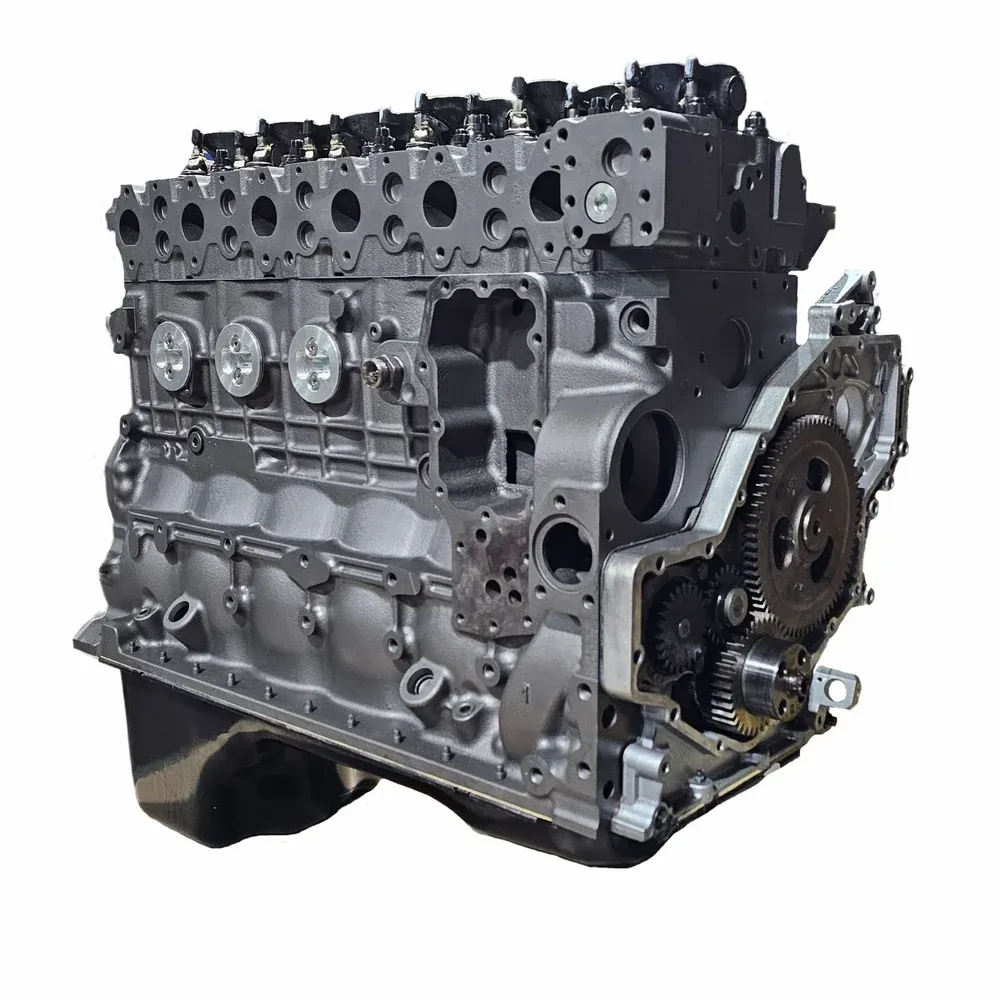
A Long Block typically supplies the principal internal engine structure and cylinder-head system as an assembled unit. This reduces the amount of onsite rebuilding required for the rotating assembly, cylinder components and upper engine, while allowing the project to reuse selected external systems from the original engine.
Depending on the application and the exact assembly, transferred components may include the turbocharger, fuel-system parts, intake and exhaust components, ECM, wiring harness, flywheel housing, starter, charging alternator and equipment-side interfaces.
The actual scope must be confirmed from the Long Block part number and written bill of materials. The name alone is not sufficient. The same naming risk appears in overhaul kits, where identical labels may represent different supply scopes.
A Long Block is generally more suitable when:
- The lower engine structure and cylinder head are no longer economical to repair;
- Most external systems remain suitable for reuse after inspection;
- The project needs to reduce onsite internal assembly and machining;
- The repair facility can correctly inspect and transfer the retained components;
- The engine configuration and equipment interfaces can be verified.
If many external systems are also damaged or remain unverified, transferring them may simply move the project risk from inside the engine to outside it. In that situation, a Long Block may not be more economical than a more complete replacement assembly.
Reman Is a Controlled Product Condition, Not a Repair Depth
Reman should not be interpreted as an assembly level that sits above Long Block.
Remanufacturing can apply to different scopes:
- A remanufactured Short Block;
- A remanufactured Long Block;
- A remanufactured complete engine;
- An individual remanufactured component.
Official OEM programs such as Cummins ReCon and Cat Reman describe remanufacturing as a controlled process involving disassembly, cleaning, inspection, restoration or replacement of nonconforming parts, reassembly and testing. These programs also connect the product to manufacturer warranty and Core Return conditions.
The useful question is therefore not:
Is Reman better than a Long Block?
It is:
What assembly scope does this remanufactured product cover, who remanufactured it, how was it tested, and what warranty and Core conditions apply?
Official Reman, third-party remanufactured and ordinary rebuilt products do not necessarily carry the same process controls or responsibility structure. Buyers should confirm the remanufacturer, restoration scope, test documentation, warranty provider and Core obligations rather than relying on the word “Reman” alone.
When a New Engine Becomes the Clearer Choice
A new engine usually carries a higher initial purchase cost, but it may provide clearer supply, warranty and risk boundaries.
It deserves serious consideration when the equipment is expected to remain in service for many years, the existing engine has undergone repeated overhauls, the original structure or configuration has become difficult to verify, or the project requires a more clearly defined warranty and supply responsibility.
A new engine may also be more practical when Reman availability, Core conditions or lead times are unfavorable, or when several external systems need to be replaced together.
However, a “complete new engine” should not automatically be treated as ready to install and operate without verification.
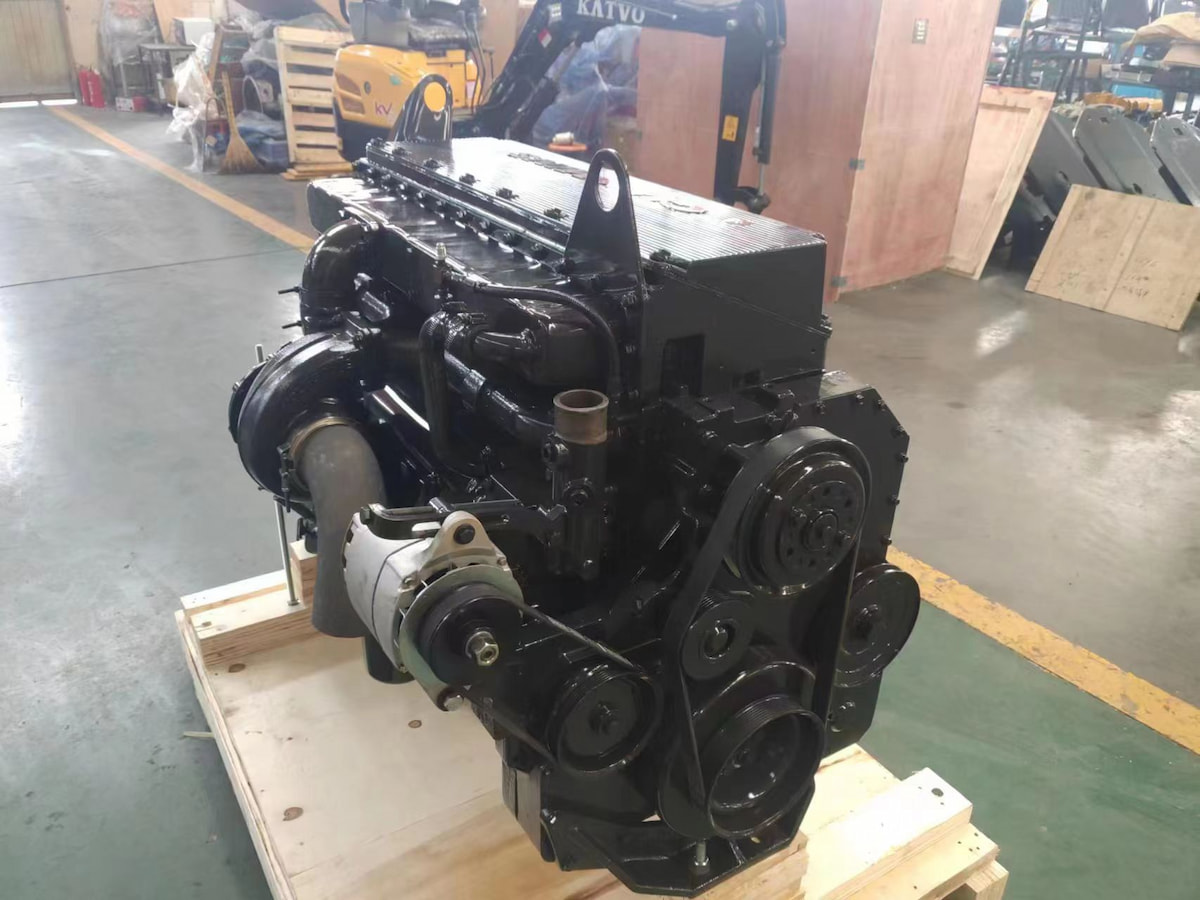
The ECM, wiring harness, flywheel housing, engine mounts, cooling arrangement, intake and exhaust interfaces, accessories and equipment control logic may still need to be matched. If the replacement differs in power rating, emissions configuration, controls or equipment interfaces, the project must also evaluate integration requirements and applicable local regulations.
This is particularly important for exported equipment, generator sets and construction machinery.
Compare Total Recovery Cost, Downtime and Remaining Equipment Value
The price of an overhaul kit, a Long Block and a complete engine does not represent the same cost boundary. Comparing only the quoted figures can therefore produce a misleading result.
The total cost of an overhaul may include engine removal and installation, cleaning, inspection, machining, additional parts, restoration of reused components, assembly labor, testing, commissioning and possible rework.
A Long Block or complete-engine option may reduce internal rebuilding and machining, but it can add assembly cost, freight, interface matching, transferred-component inspection and Core Return expenses.
The proper comparison is:
From the moment the equipment stops until the engine returns to reliable operation, how much money and time will the project require, and how much unresolved risk will remain?
It is not simply:
Which quoted item costs less?
Downtime can reverse an otherwise reasonable decision. A longer overhaul period may be acceptable for standby equipment or a low-utilization machine. For mining equipment, continuously operated generator sets and production-critical machinery, downtime losses may quickly exceed the purchase-price difference between overhaul and replacement.
The commercial value of a replacement assembly often comes from reducing secondary inspection, machining queues, multi-stage parts purchasing, component restoration, internal assembly and repeat testing.
The remaining value of the equipment sets the investment ceiling. A structurally sound machine expected to operate for many more years may justify a systematic overhaul, Reman assembly or new engine. If the equipment itself is approaching replacement, a high-cost new engine may not recover its value within the machine’s remaining useful life.
There is no universal formula, but one principle is useful:
The expected service life of the engine solution should not substantially exceed the remaining period in which the equipment can use that life economically.
Where Each Option Fits
| Option | More Suitable When | Main Uncertainties |
|---|---|---|
| Repair or complete overhaul | The block, crankshaft and other principal structures remain usable, and local repair and machining capability is dependable | Additional scope after teardown, repair duration and expected post-overhaul life |
| Long Block | The lower engine and cylinder head require replacement, while external systems still have reuse value | Condition and compatibility of transferred parts, interfaces and actual assembly scope |
| Official OEM Reman assembly | The project needs a controlled remanufacturing process, testing, warranty support and potentially faster recovery | Core conditions, model availability, regional supply and exact assembly scope |
| Third-party Reman or Rebuilt assembly | The budget is more restricted and the supplier can document restoration, testing and warranty responsibility | Remanufacturing depth, test consistency, component sources and warranty provider |
| New complete engine | The equipment has substantial remaining life and the project aims to reduce reuse and rebuilding uncertainty | Initial cost, interface compatibility, integration requirements and lead time |
This table does not replace the repair facility’s technical judgment. It helps buyers place each option in the correct commercial and supply context.
Information to Prepare Before Requesting Quotations
Whether the project is considering overhaul, a Long Block, a Reman assembly or a new engine, prepare the full engine model and serial number; equipment make, model and application; current engine photographs and modification history; test and teardown findings; preliminary conclusions on the block, crankshaft and cylinder head; the external systems planned for reuse; acceptable downtime; available local machining and assembly capability; accepted product conditions; destination; required schedule; and trade terms.
A supplier can help compare available supply options, but should not decide whether the engine is economically repairable from a data plate alone.
How ZEB Power Helps Compare Engine Recovery Options
ZEB Power uses the engine model, full serial number, equipment application, teardown information and planned reuse scope to help buyers compare overhaul kits, Long Blocks, remanufactured engines and new complete-engine options.
ZEB Power can help clarify the actual assembly scope, installed components, systems that must be transferred from the old engine, product condition, lead time and quotation boundaries for each option.
Damage assessment, reuse decisions and final repair procedures should remain with the repair facility responsible for inspection and assembly.
Provide the engine data plate, full serial number, teardown findings, equipment application and list of components planned for reuse. ZEB Power can help compare overhaul, Long Block, Reman and new-engine options on a consistent cost and supply-scope basis.
Frequently Asked Questions
Are a Long Block and a Reman Engine Options at the Same Level?
No. Long Block describes assembly scope, while Reman describes product condition. A Long Block may be new or remanufactured.
Does a Lower Overhaul-Kit Price Mean Overhaul Is More Economical?
Not necessarily. The project may also require removal, inspection, machining, additional parts, assembly, testing, downtime and possible rework. These costs are not normally represented by the overhaul-kit price alone.
What Is the Difference Between a Remanufactured Engine and an Ordinary Rebuilt Engine?
The boundary depends on the organization and process behind the product. Buyers should confirm whether the unit was completely disassembled, inspected, restored, updated, reassembled and tested, as well as who provides the warranty. The words Reman and Rebuilt alone are not enough.
Should an Engine Be Overhauled Simply Because It Has Already Been Disassembled?
No. Labor already spent should not become the sole reason for continuing to add cost. If teardown reveals structural damage or the projected total cost becomes unreasonable, replacement-assembly options should be compared again.
Can a Complete Engine Be Installed and Operated Immediately?
Not automatically. The ECM, wiring harness, flywheel housing, mounts, cooling and intake/exhaust interfaces, accessories and equipment control system still need to be confirmed.
Should Projects With Flexible Downtime Prioritize Overhaul?
Overhaul is often worth evaluating first, but only when the block, crankshaft and other principal structures remain suitable and local machining capability is reliable. Flexible downtime does not remove the risk created by uncertain damage or weak repair capability.