

Cummins Spare Parts for Mining Equipment

7876
Table of Contents
Generating table of contents
When mining equipment runs on Cummins diesel engines, the core question in parts sourcing isn't "buy it when it breaks" — it's avoiding a situation where a single small part keeps a machine down for far too long. On a mine site, a haul truck, excavator, loader, drill rig, or genset going down usually doesn't just affect that one machine — it affects the whole production rhythm. Filters, belts, water pumps, injectors, bearings, gaskets, overhaul kits — these look like routine engine parts, but in a mining maintenance program, they directly determine equipment availability, repair windows, and downtime cost.
There's a key difference here compared to what repair shops and traders deal with: their models are unpredictable, but the cost of any single unit going down is relatively contained. Mining equipment is the opposite — the models are largely fixed (almost certainly the handful you actually operate), but the operating conditions are extreme and downtime cost is severe. That contrast means mining equipment shouldn't follow the "models are unpredictable, so stock cautiously" playbook — it calls for building deep readiness around the specific models you run.
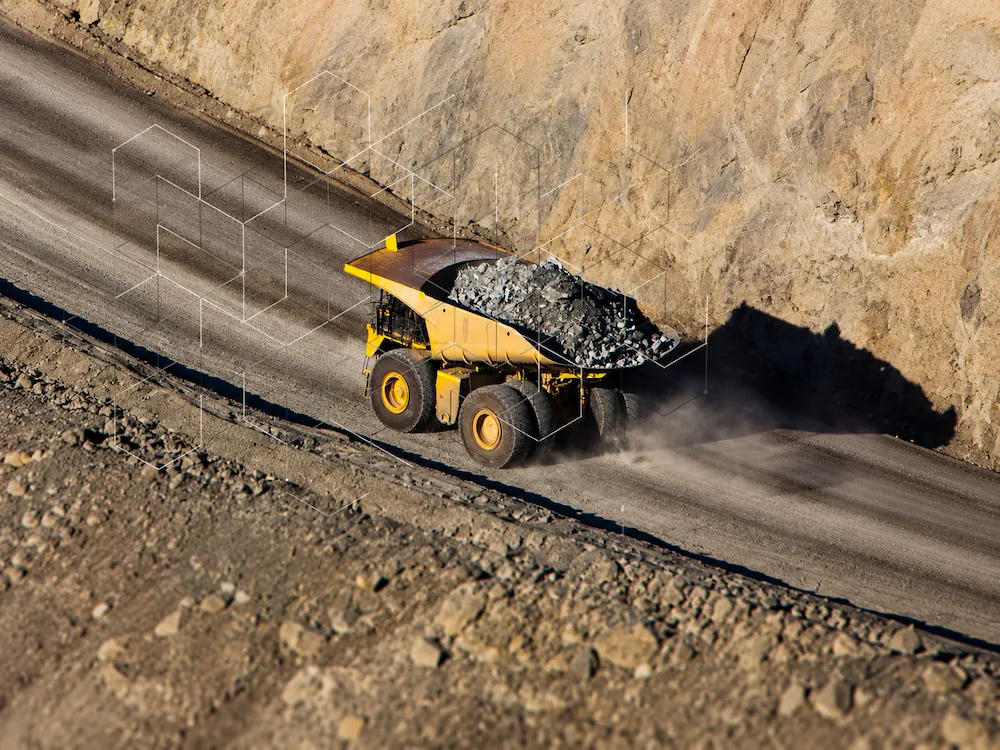
Cummins diesel engines are widely used across mining haul trucks, excavators, loaders, dozers, drill rigs, underground mining vehicles, crushing and screening power units, air compressor power systems, diesel gensets, and mine-site backup power systems. Engine model and power range vary by equipment type, so stocking and purchasing plans still need to come down to the actual engine model on each machine.
Why Mining Duty Cycles Wear Parts Differently
Mining equipment operates in conditions that aren't remotely comparable to general construction machinery:
- Dust — sustained exposure to heavy dust directly accelerates wear on the intake system and filters, and shortens the service life of the oil and fuel systems
- Heat — high ambient temperatures on site, combined with sustained heavy load, put far more strain on the cooling system than typical operating conditions
- Continuous heavy load — mining equipment rarely gets to run "easy." Extended high-load operation accelerates wear on core moving parts — pistons, liners, bearings
- Vibration — the vibration from haul trucks and excavators working rough terrain continuously affects the stability of connectors and precision components — hoses, clamps, sensors
These conditions aren't captured by a generic statement like "equipment wears out." They concentrate on specific systems — which is exactly why mining maintenance schedules shouldn't just borrow the service intervals used for general construction machinery.
How Expensive Is Mining Equipment Downtime, Really
Downtime cost as a topic applies broadly, but mining deserves its own look, because it's the most extreme case across any application:
Mining equipment downtime isn't "a minor inconvenience while you wait" — it translates directly into lost production. A haul truck down for a day means that day's hauling capacity is gone entirely. If it's a core asset — something the operation can't easily route around — the ripple effect can hit the entire production rhythm, not just that one machine's output.
Because the cost is this extreme, mining parts sourcing generally warrants a more conservative approach than other applications: better to carry a bit more depth on critical spares and absorb some inventory cost than to gamble on a critical part with "it probably won't fail that soon." That runs counter to the "order to need, minimize inventory" advice that applies in a lot of other contexts — for mining operators, carrying a bit more critical-spares inventory is often the more cost-effective call versus waiting on an urgent resupply.
Stocking Around Your Own Equipment, Not the "Cautious Stocking" Playbook
Repair shops and traders lean cautious and order-to-confirm because their models are unpredictable. Mining operators are in the opposite position — your engine models are known and fixed. You understand which models you actually run better than any supplier does, which means you can, and generally should, build deep stock around those specific models rather than scrambling once something fails.
In practice, that means:
- Build a dedicated parts list around your actual equipment models, rather than stocking generically for "common models." If your fleet runs KTA19, build depth specifically around KTA19's high-frequency and overhaul-related parts — no need to hedge for other models
- Bulk purchasing usually means better negotiating leverage — your equipment scale and order volume are naturally larger than a scattered repair shop's, which is real leverage
- Overhaul kits should be purchased ahead of the maintenance schedule, not ordered on the spot once something fails — mining overhauls are largely predictable (more on that below)
Which Parts Shouldn't Be Stocked Blind, Even With a Fixed Model
Building deep stock around your own equipment doesn't mean stocking everything blind. Even with a fixed model, the following parts still carry version variance and are better confirmed against a specific order or repair plan, rather than stocked generically by model:
| Part Type | Why Not to Stock Blind |
|---|---|
| Injectors | The same engine model can have different versions under different CPLs |
| Pistons, piston rings, liners | Closely tied to the specific engine configuration and repair scope |
| Main bearings, rod bearings, thrust washers | Standard, oversized, or special spec needs confirming |
| Turbochargers | Interface, model, and application can vary |
| Overhaul kits | Top/in-frame/complete scope varies significantly |
For these, the safer approach is building an engine record ahead of time (covered below), paired with a supplier that can respond quickly — rather than sitting on inventory blindly. The record helps confirm exactly which version a given machine needs; stock on the shelf can't substitute for that step.
Which Systems Wear Fastest Under Mining Conditions
Tying back to the conditions above, at the system level:
- Intake and filtration — under dusty conditions, air filters typically need replacing more often than a standard maintenance interval, and intake piping accumulates dust and ages faster too
- Cooling system — heat plus sustained heavy load push water pumps, thermostats, and cooling lines well past typical loads, which should bump up their stocking priority accordingly
- Cylinder and bearing systems — continuous heavy load is the main driver of wear on pistons, liners, main bearings, and rod bearings, which is also why mining equipment overhauls (in-frame in particular) tend to come around more often than on general construction machinery
- Piping and connectors — under vibration, clamps, hose fittings, and sensor wiring loosen or degrade faster. These small components are easy to overlook during routine inspection, but they're often the first thing to fail in a vibration-heavy environment
Genuine or Aftermarket for High-Output Mining Engines
Higher-output Cummins series — KTA38, KTA50, the QSK range — show up commonly in primary mining equipment and large gensets, while auxiliary equipment, some construction machinery, and power units may run 6BT, QSB6.7, QSC8.3, NT855, or KTA19. The genuine-vs-aftermarket logic for these higher-output engines isn't quite the same as it is for mid- and lower-displacement models.
Higher-output engines typically mean a higher per-unit asset value, higher downtime cost, and more extreme operating conditions — combined, these push genuine parts higher up the priority list for high-output mining applications. That's not because aftermarket is necessarily unreliable — it's that the failure cost on this class of equipment is high enough that the certainty genuine parts provide is usually worth the added cost.
Even going the genuine route doesn't mean skipping fitment confirmation — the same high-output series can vary by CPL just like any other, and genuine parts still need to be confirmed against the ESN and CPL. For consumables like filters and belts, high-quality aftermarket remains a reasonable cost-control option even on high-output mining engines — there's no need to default to genuine across the board just because the engine is high-output.
Planning Around Maintenance Windows, Not Just Reacting to Failures
Mining operations tend to run on a fairly fixed rhythm — shift schedules, blast cycles, haul dispatch planning — which means maintenance windows are largely predictable in advance, rather than something you're purely reacting to once equipment fails.
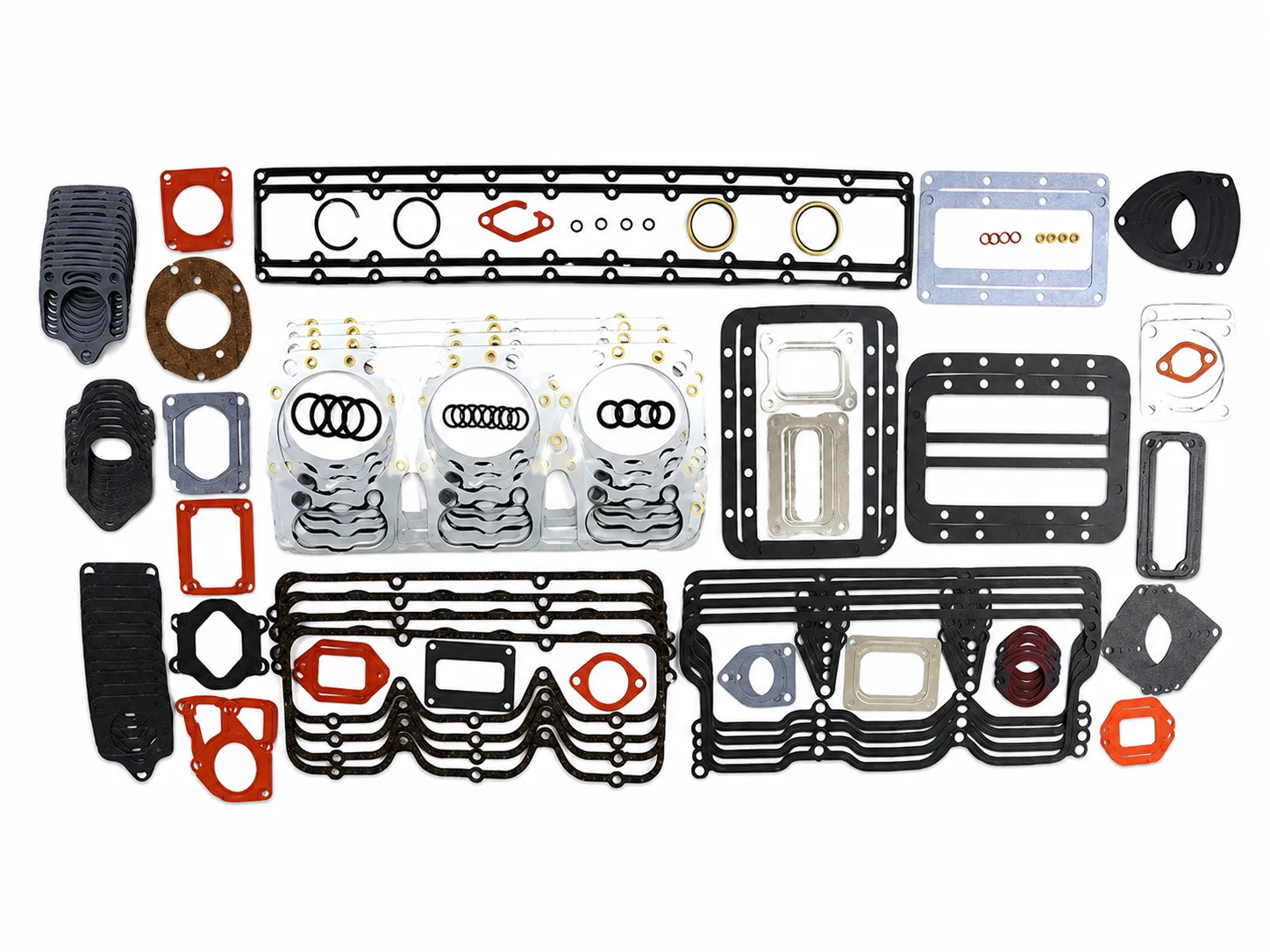
For parts sourcing, that matters because overhaul kits — top, in-frame, or complete — should be confirmed and purchased around these known maintenance windows ahead of time, not ordered on the spot. Scheduling maintenance in advance has an added benefit too: it gives the supplier more time to confirm the correct part versions and assemble a complete list, cutting down on situations where a rushed order only gets a partial, "best we can do on short notice" shipment.
The core difference between planned maintenance and reactive repair: with the former, you hold the initiative — parts, labor, and downtime windows can all be arranged in advance. With the latter, you're stuck accepting whatever a supplier can offer at that moment.
Remote Sites: Planning for Longer Resupply Chains
Many mine sites sit far from urban centers, and logistics there are naturally slower than servicing equipment near a city — worth factoring in when building a stocking plan:
- Plan resupply timing around the worst-case scenario, not the supplier's ideal lead time. Transport to a remote site carries inherent uncertainty, and customs or secondary transfers can extend actual arrival time
- Critical parts should be stocked deeper than for equipment near urban centers, because the time cost of waiting on a resupply is far higher once you're out of stock
- Confirm the actual logistics picture with your supplier ahead of time — whether multi-leg transfers are needed, any special customs requirements at the site — rather than discovering the gaps once there's an emergency
Building an Engine and Parts Record for Your Equipment
If you're running multiple pieces of equipment, keeping an engine and parts record is more efficient than re-verifying information from scratch on every repair. The record can include:
- Equipment ID and type
- Engine model, ESN, CPL
- Engine nameplate photo
- Commonly used part numbers
- Purchase history
- Last overhaul date and running hours
- Common fault history
- Genuine vs. aftermarket usage history
The value here goes beyond saving time — it means that when one of the "don't stock blind" parts mentioned above (injectors, pistons, bearings) needs version confirmation, you can check against the record directly, instead of re-verifying the ESN and CPL from scratch every time. Over time, this record becomes one of the most valuable assets in your entire sourcing process.
Mining Stocking Priority Tiers
Condensing everything above into a quick-reference tier system:
| Tier | Part Type | Guidance |
|---|---|---|
| A: Must stock | Oil/fuel/air filters, belts, hoses, clamps, common gaskets | Stock by equipment count and maintenance cycle |
| B: Stock in moderation | Water pumps, thermostats, starter motors, alternators, common sensors | Stock by historical failure rate and equipment count |
| C: Planned purchase | Piston rings, liners, bearings, gasket sets, overhaul kits | Confirm against maintenance window, ESN/CPL, and overhaul scope |
| D: Confirm per order | Special-spec injectors, special bearings, turbochargers, high-output critical parts | Don't stock blind — confirm the version first |
What to Have On Hand Before You Need It
Pulling the above together, the priority directions worth stocking:
- Dust-related: air filters (higher stocking frequency than standard)
- Cooling system: water pumps, thermostats, cooling lines
- Core moving parts: piston rings, liners, main bearings, rod bearings — confirm the version ahead of a planned overhaul window rather than stocking generically by engine model alone
- Piping and connectors: clamps, hoses, sensors (prone to loosening or aging under vibration)
- Overhaul kits: confirm the exact top/in-frame/complete contents ahead of the maintenance window
Not sure what pace to stock at? Send us your equipment models, running hours, and maintenance schedule, and we'll help work out a more specific stocking recommendation.
What to Send for an Accurate Quote
Use this format and a supplier can confirm parts and lead time faster:
Mining Equipment Parts Inquiry Format:
- Equipment Type:
- Equipment Model:
- Engine Model:
- ESN / CPL:
- Part Number:
- Quantity:
- Genuine or Aftermarket:
- Urgent Repair or Planned Maintenance:
- Destination Country:
- Required Delivery Time:
For an overhaul kit inquiry, add:
- Overhaul Type: Top / In-Frame / Complete
- Running Hours:
- Planned Maintenance Window:
How ZEB Power Supports Mining Equipment Maintenance
ZEB Power has long supported parts sourcing for mining equipment running on Cummins engines. Equipment commonly fitted with Cummins engines includes Komatsu haul trucks, Komatsu mining loaders, Hitachi mining excavators, BELAZ haul trucks, Epiroc underground mining vehicles, Epiroc drill rigs, and mining equipment from some Chinese manufacturers including XCMG and Lonking — this kind of high-load, long-running-hours application is exactly the space we know well.
For mining equipment operators, we can help with:
- Planning a parts inventory structure based on equipment model and running hours
- For high-output engines, offering genuine parts or rigorously verified high-quality aftermarket options
- Confirming overhaul kit contents and lead time ahead of a planned maintenance window, cutting down on reactive rush orders
- Planning realistic resupply timelines that account for the actual logistics at a remote site
Ready to plan your mining equipment parts strategy? Send ZEB Power your engine models, quantities, and maintenance schedule, and we'll help you work it out.
FAQ
1. Should mining equipment be serviced on a shorter interval than the standard schedule?
Dust, heat, and sustained heavy load push air filters, cooling system components, and piping connectors toward their inspection or replacement point faster, and accelerate internal engine wear generally. Actual intervals should still be confirmed against running hours, on-site inspection findings, and the manufacturer's maintenance manual.
2. What should mining equipment operators prioritize stocking?
Air filters, cooling system components, and core moving parts (piston rings, liners, bearings), along with a specific list tied to planned overhauls, since these wear fastest under mining conditions and carry the highest downtime cost.
3. If the equipment models are fixed, can everything be stocked in bulk without worry?
No. Even with a fixed model, injectors, pistons, bearings, turbochargers, and overhaul kits can still vary by CPL. Confirm against a specific order or repair plan, cross-checked with your equipment parts record, rather than stocking generically by model.
4. Do high-output mining engines have to run genuine parts?
Not as an absolute rule, but high-output engines typically carry higher asset value and downtime cost, which does push genuine parts higher in priority for core components. Filters and belts remain reasonable candidates for high-quality aftermarket.
5. How should lead time be estimated for stocking at a remote mine site?
Plan around the worst-case scenario rather than the supplier's ideal lead time — transport, customs, and secondary transfers at remote sites can all extend actual arrival time.
6. What's the difference between planned maintenance and reactive repair when it comes to parts sourcing?
Planned maintenance lets you confirm the parts list, lead time, and stock ahead of time, keeping the initiative in your hands. Reactive repair means accepting whatever a supplier can offer in the moment, which is typically less predictable on both cost and time.
7. If our equipment models are fixed, do we still need to consider other models' parts?
Mostly, you should build deep stock around your own fixed models rather than trying to cover every model on the market the way a trader would. That said, if the site involves contracted equipment, rental machinery, or auxiliary power units, it's worth adding those common models to a supplementary list.
Summary: Mining Equipment Maintenance Comes Down to Keeping the Initiative
When mining equipment runs on Cummins engines, parts sourcing shouldn't be judged on price alone — it needs to account for equipment availability, downtime risk, repair windows, and long-term maintenance planning. Common items like filters, belts, water pumps, starter motors, and alternators are good candidates for advance stocking; higher-risk items like injectors, pistons, liners, bearings, and overhaul kits need to be confirmed against the ESN, CPL, and specific repair scope before ordering.
If you're sourcing Cummins spare parts for haul trucks, excavators, loaders, drill rigs, underground mining vehicles, or gensets, send ZEB Power your equipment model, engine model, ESN/CPL, parts list, and destination country. We'll help confirm the right parts and support a more stable sourcing and maintenance plan going forward.