

Cummins Engine Parts: Sourcing Guide & Accurate Matching

4384
Table of Contents
Generating table of contents
When a Cummins diesel engine loses power, starts leaking oil, becomes hard to start, or is due for a scheduled overhaul, most buyers aren't just looking for "a part." They're looking for the correct Cummins engine parts — matched to the exact engine model, configuration, and build specification of the unit that's down.
For mining fleets, construction equipment, power generation sites, and marine applications, engine downtime isn't a minor inconvenience — it stops the job. That's why the real question when sourcing Cummins diesel engine parts isn't "who has the lowest price," but:
Will this part actually fit my engine — based on its nameplate, serial number, CPL, or part number?
This guide walks through the most commonly replaced Cummins parts, how overhaul kits are structured, how to choose between genuine and high-quality aftermarket options, and — most importantly — how to avoid ordering the wrong part in the first place.
What Are Cummins Engine Parts?
Cummins engine parts cover the full range of components used to maintain, repair, overhaul, and rebuild Cummins diesel engines. They're used across construction machinery, mining equipment, power generation units, industrial power systems, marine engines, and commercial vehicles.
Common categories include:
- Fuel system parts — injectors, fuel pumps, fuel filters
- Cylinder components — pistons, piston rings, pins, cylinder liners
- Bearings — main bearings, connecting rod bearings, thrust washers
- Cylinder head components — heads, valves, valve guides, valve seats
- Sealing components — gaskets, oil seals, O-rings
- Cooling system parts — water pumps, thermostats, belts
- Electrical components — starter motors, alternators
- Maintenance consumables — oil filters, fuel filters, air filters, belts
For most buyers, sourcing Cummins parts isn't about topping up inventory for its own sake — it's tied to a specific repair job, overhaul project, or getting a piece of equipment back online. That's why accurate matching and reliable supply matter far more than price alone.
Common Cummins Diesel Engine Parts by System
Different engine models, applications, and repair scopes call for different parts. Here's how they break down:
| System | Common Parts | Typical Failure Symptoms |
|---|---|---|
| Fuel System | Injectors, fuel pumps, fuel filters, high-pressure lines | Hard starting, black smoke, power loss |
| Cylinder Components | Pistons, piston rings, pins, liners | Oil consumption, low compression, overhaul |
| Bearings | Rod bearings, main bearings, thrust washers | Low oil pressure, engine knock |
| Cylinder Head | Heads, valves, valve seats, guides, rocker arms | Poor valve sealing, head repair |
| Sealing Components | Gaskets, crankshaft seals, O-rings | Oil/coolant leaks, compression loss |
| Cooling System | Water pumps, thermostats, fan belts | Overheating, coolant leaks |
| Electrical | Starter motors, alternators, sensors | No-start, charging faults |
| Maintenance Items | Oil/fuel/air filters, belts | Routine service, stock replenishment |
Injectors, pistons, liners, bearings, gaskets, filters, belts, starter motors, and alternators tend to be the highest-frequency replacement items — and are typically what mining fleets, power generation operators, and equipment workshops stock in advance.
Cummins Overhaul Kits: Top, In-Frame, and Complete
Cummins overhauls generally fall into three categories, each covering a different scope of work. Knowing which one you need prevents ordering parts you don't need — or missing ones you do.
Top Overhaul
Addresses the upper engine — primarily the cylinder head and valve train. Suited to engines where the core bottom-end is still sound, but the head, valves, injectors, or upper seals need attention (head leaks, poor valve sealing, injector issues, upper gasket leaks).
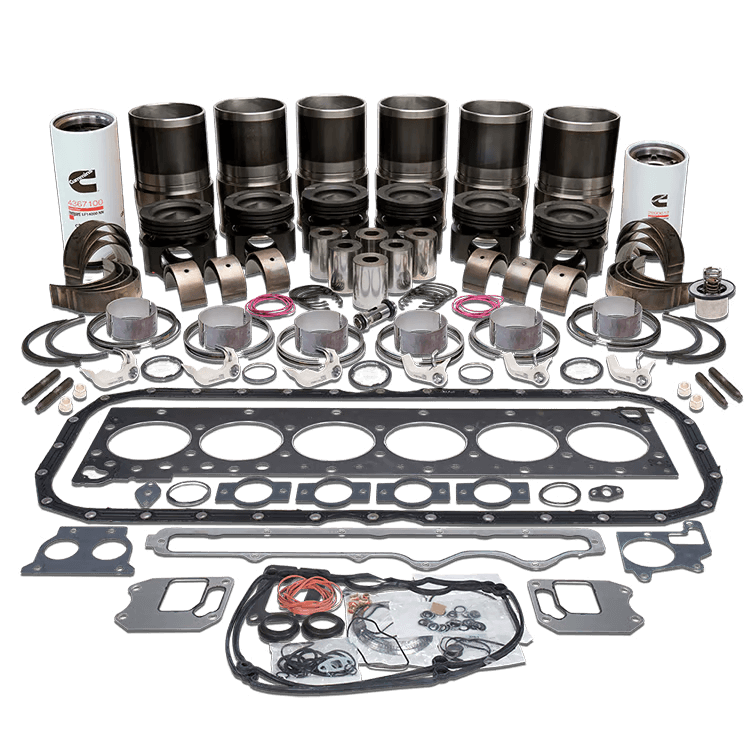
Typically includes: cylinder head components, valves, valve guides, valve seats, head gaskets, upper gasket sets, injectors, rocker arm components.
In-Frame Overhaul
Builds on the top overhaul scope to address core internal components — used when there's low compression, oil consumption, liner wear, bearing wear, or abnormal oil pressure.
Typically includes: everything in a top overhaul, plus pistons, piston rings, pins, retaining rings, cylinder liners, rod bearings, main bearings, thrust washers, and additional seals/gaskets.
Complete Overhaul
A full system rebuild, used for high-hour engines needing complete restoration or maximum reliability.
Typically includes: everything in an in-frame overhaul, plus camshaft seals, front and rear crankshaft seals, full gasket sets, and other internal components as confirmed by engine configuration.
Important: overhaul kit contents vary by engine model — and even within the same model series, CPL, emissions configuration, and application can change what's included. When requesting a Cummins overhaul kit, rebuild kit, or complete overhaul kit quote, it's best to provide the engine nameplate, ESN, CPL, or an existing parts list so the right kit version can be confirmed.
Genuine vs. High-Quality Aftermarket Cummins Parts
This is one of the most common questions buyers face — and the honest answer is that neither option is universally "better." The right choice depends on engine series, application, budget, lead time, and risk tolerance.
Genuine parts tend to make more sense for:
- Higher-output engine series (commonly CCEC-built high-horsepower units)
- Mining, oil & gas, data centers, and other critical/standby power applications
- Projects with strict warranty requirements
- Critical internal components where fit tolerance carries higher risk
High-quality aftermarket parts can be a reasonable option for:
- Mid- and lower-displacement engine series (commonly DCEC/XCEC-built units) with mature, well-supported aftermarket options
- Budget-conscious repair projects
- General construction and industrial equipment maintenance
- Workshops and traders managing procurement costs across a fleet
This is a general tendency rather than a fixed rule — some mid-displacement applications still warrant genuine parts, and some high-output components have reliable aftermarket equivalents. Whichever route you choose, the part still needs to be confirmed against your engine's ESN, CPL, or part number — series and displacement alone aren't enough to guarantee fit.
How to Confirm You're Ordering the Right Part
Most wrong-part orders don't happen because the buyer doesn't know their engine — they happen because the information provided is incomplete.
Requests like "I need 6BT parts," "I need a KTA19 injector," or "I need an NT855 overhaul kit" often aren't specific enough, since the same engine model can exist in multiple configurations — each requiring a different part version.
To get an accurate match, it helps to provide:
- Part number — the most direct way to confirm a part, if known
- Engine model — e.g., 6BT, 6BTA5.9, QSB6.7, QSM11, NT855, KTA19, KTA38, QSK60
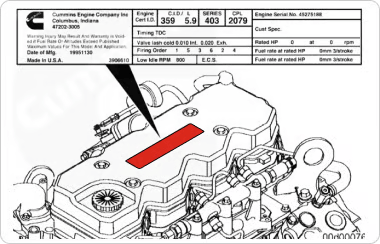
- ESN (Engine Serial Number) — confirms the exact build configuration
- CPL number — narrows down the specific parts version
- Nameplate photo — avoids transcription errors on model/serial number
- Old part photo — helps confirm structure and version, especially for field-removed parts
- Quantity and purpose — single repair, fleet stock, distribution, or project maintenance
- Genuine vs. aftermarket preference — stated upfront to narrow down options
If you're not sure which of these you have on hand, sending a photo of the engine nameplate or the old part is usually enough to get started — we can help confirm the rest from there.
Why Buyers Order the Wrong Cummins Parts
Wrong-part orders are more common than most buyers expect, and the causes are fairly consistent:
- Worn or illegible nameplates — older equipment often has nameplates covered in grime or worn past readability, forcing buyers to guess at model or serial number
- Engines modified or reconfigured after a prior repair — actual configuration may no longer match the original nameplate
- Old parts aren't genuine to begin with — a removed part may already be an aftermarket replacement, so its markings don't correspond to the OEM part number
- Inconsistent part naming — generic terms like "bearing" can refer to main bearings, rod bearings, bushings, or other components depending on the buyer
- Configuration variance within the same model — the same 6BT, QSB6.7, KTA19, or NT855 designation can cover multiple CPLs, applications, and emissions versions with different part requirements
- Bearing and similar parts come in multiple sizes — standard, oversized, and special versions all exist; ordering the wrong one means it won't fit
- Suppliers assuming interchangeability — similar-looking model numbers don't always mean interchangeable parts; many still require ESN/CPL/part number confirmation
A supplier that quotes based on part name alone, without confirming these details first, is more likely to ship the wrong version.
Applications: Where Cummins Diesel Engine Parts Are Used
- Mining equipment — high load, high duty-cycle operations where downtime is expensive; fleets often stock injectors, filters, belts, bearings, gaskets, and overhaul kits in advance. We've supported this kind of sourcing directly, including parts for Cummins KTA19-series engines used in Belaz mining dump trucks.
- Construction machinery — excavators, loaders, dozers, and rollers commonly running into power loss, leaks, overheating, or hard-starting issues
- Power generation — factories, job sites, mining operations, data centers, and standby power systems, where stability and planned maintenance drive demand for overhaul kits, filters, belts, injectors, and seals
- Marine equipment — injectors, water pumps, filters, seals, and overhaul components for Cummins marine engines
- Workshops and parts traders — repair shops sourcing accurate parts quickly for end customers, and traders supplying consumables and overhaul kits to local markets, where lead time and long-term supply stability matter as much as price
Sourcing Cummins Parts Through ZEB Power
ZEB Power supplies parts for Cummins, Perkins, and Caterpillar diesel engines, with Cummins sourcing focused on construction machinery, mining equipment, power generation, industrial power, and select marine applications.
We help confirm the right part based on whatever information you have available — part number, engine model, ESN, CPL, nameplate photo, old part photo, or an existing parts list.
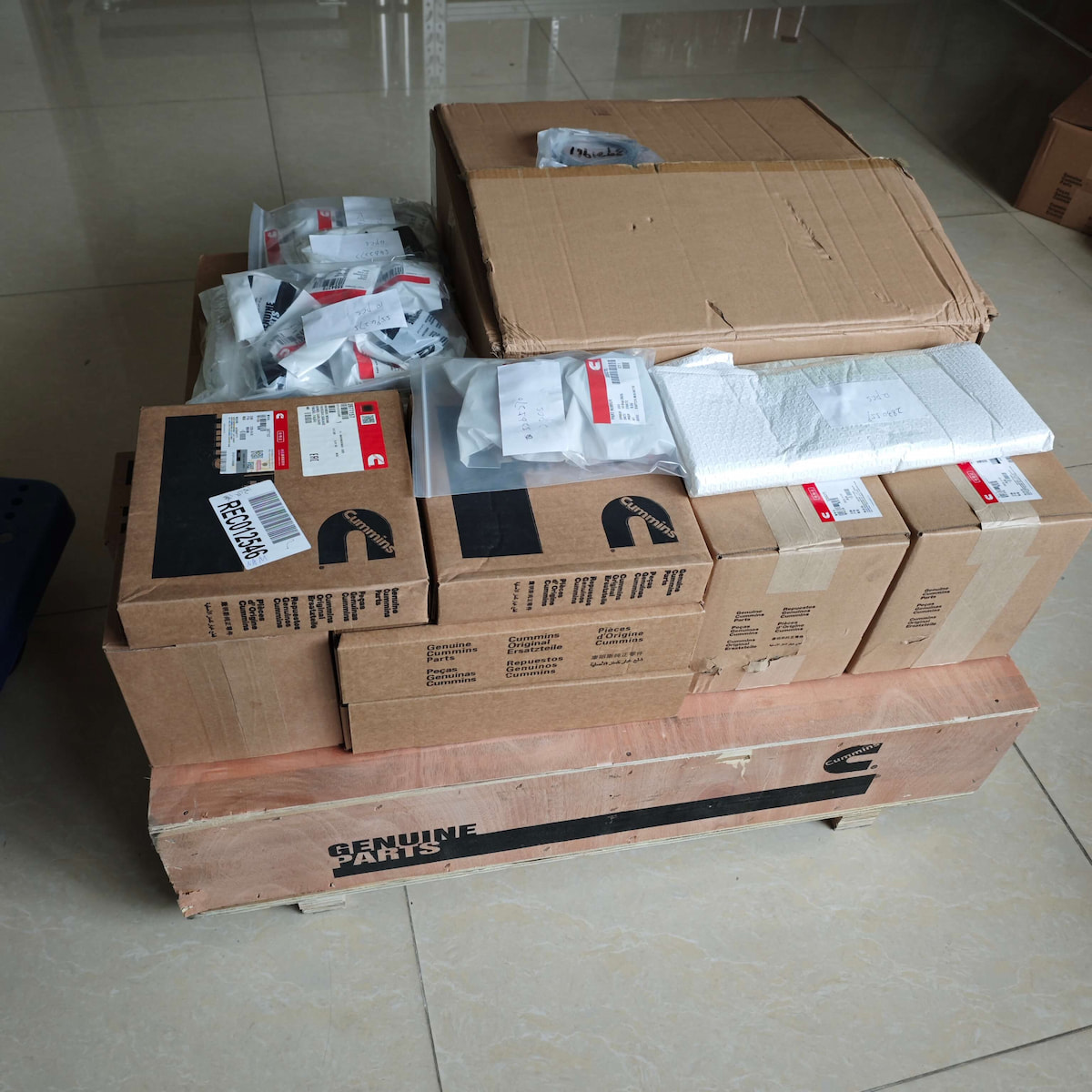
We support sourcing of genuine Cummins parts across DCEC, CCEC, and XCEC engine series, so whichever brand your engine falls under, genuine parts are an option — not just a fallback for high-output models. For mid- and lower-displacement engines, we also offer high-quality aftermarket alternatives with strong price and lead-time advantages, for buyers where budget and turnaround matter most. Either way, parts are confirmed against your engine's specific configuration before quoting.
Parts and kits we regularly supply include:
- Cummins engine parts & replacement parts
- Cummins overhaul kits — top, in-frame, and complete
- Injectors, pistons, and liners
- Bearings and gasket kits
- Filters, belts, starter motors, and alternators
Not sure which part or kit version you need? Send us your engine nameplate or old part photo, and we'll help confirm the correct match before you order.
Information to Prepare Before Requesting a Quote
| Information | Why It Matters |
|---|---|
| Part number | Fastest way to confirm the exact part |
| Engine model | Identifies the engine series and base configuration |
| ESN (Engine Serial Number) | Confirms the engine's unique build |
| CPL number | Narrows down configuration and parts version |
| Engine nameplate photo | Avoids errors from misread model/serial numbers |
| Old part photo | Helps confirm structure and version |
| Quantity | Affects stock check, pricing, and lead time |
| Application | Mining, power generation, construction, marine, etc. |
| Genuine or aftermarket preference | Narrows down sourcing options upfront |
If you don't have all of this on hand, that's fine — share what you have and we'll help fill in the rest. For overhaul kits and critical internal components, a nameplate photo or part number makes the biggest difference in getting an accurate quote the first time.
Ready to source the right parts the first time? Share your engine details or parts list, and we'll put together a matched quote.
FAQ
1. Can I order Cummins parts without a part number?
Yes — but you'll need to provide the engine model, nameplate photo, ESN, CPL, or an old part photo. Part name alone usually isn't specific enough, especially for injectors, bearings, pistons, liners, and seals.
2. Can I order Cummins parts based on engine model alone?
It's not recommended. The same engine model can exist in multiple configurations, and different CPLs or applications can require different parts. Providing the ESN, CPL, or part number gives a much more reliable match.
3. What's the difference between an overhaul kit and a rebuild kit?
In most sourcing contexts, the two terms are used interchangeably to describe a set of parts for an engine rebuild — but kit contents vary by supplier. Some cover only pistons, liners, and bearings; others include gaskets, seals, and more internal components. It's best to specify whether you need a top, in-frame, or complete overhaul kit when requesting a quote.
4. What's included in a Cummins in-frame overhaul kit?
Typically pistons, piston rings, cylinder liners, connecting rod bearings, main bearings, thrust washers, and gaskets — though exact contents depend on the engine model and configuration.
5. Should I choose genuine or aftermarket Cummins parts?
For critical equipment, high-output engines, or where warranty terms require it, genuine parts are usually the safer choice. For mature mid- and lower-displacement engine series where budget and lead time matter more, high-quality aftermarket parts can be a practical option — as long as the part is confirmed against your engine's specific configuration.
6. Do you supply parts for Cummins power generation engines?
Yes. Common needs include filters, belts, injectors, water pumps, gaskets, bearings, and overhaul kits for Cummins gensets used in industrial, commercial, and standby power applications.
7. Do you supply Cummins parts for mining equipment?
Yes. Mining applications typically run high loads in demanding conditions, so parts reliability matters more than in lighter-duty use. Common orders include repair parts, overhaul kits, and stocked consumables to minimize downtime.
8. How do I avoid ordering the wrong Cummins diesel engine part?
The most effective approach is providing a part number, ESN, CPL, engine nameplate photo, or old part photo before ordering — especially for overhaul kits and critical internal components. Avoid ordering based on engine model name alone.
Summary: Accurate Matching Matters More Than Low Price
Sourcing Cummins diesel engine parts isn't just a matter of searching a part name and picking the lowest quote. For construction machinery, mining equipment, power generation, marine systems, and industrial power applications, whether a part actually fits — and whether it can be supplied reliably and on time — directly affects repair efficiency and equipment uptime.
When requesting Cummins engine parts, overhaul kits, or common repair items, providing a part number, engine nameplate, ESN, CPL, or old part photo up front helps ensure an accurate match and avoids the delays that come with reordering.
Have a Cummins engine down or a repair coming up? Send us your part number, engine details, or a photo of the nameplate — we'll confirm the right match and get you a quote.