

Perkins Engine Parts Buying Guide | Match Before You Order

2511
Table of Contents
Generating table of contents
Many Perkins parts inquiries start with a simple message:
“I need Perkins 1104 engine parts.”
For a buyer, this request already includes the engine brand and series.
For a supplier, however, it is usually not enough to confirm the correct replacement parts.
The most common problem is not that the supplier cannot find a part. The real issue is that a buyer may receive a component that appears to fit but is not actually suitable for the specific engine configuration.
Perkins parts identification is not a simple process of:
Engine model → Part number
A reliable matching process usually requires several factors to be considered together:
Engine identity → Configuration → Application → Current component condition
The same Perkins engine family may use different water pumps, fuel-system components, starter motors, cylinder-head assemblies or overhaul parts depending on production period, emissions configuration and equipment application.
This guide explains how to identify Perkins engines correctly before ordering parts, why older Perkins equipment is often more difficult to match, and how buyers should evaluate Genuine Perkins Parts, Reman and replacement solutions.
This article is intended for generator operators, agricultural equipment owners, construction equipment users, maintenance companies and industrial buyers. Final compatibility should be confirmed through manufacturer references, supplier parts data and the actual engine condition.
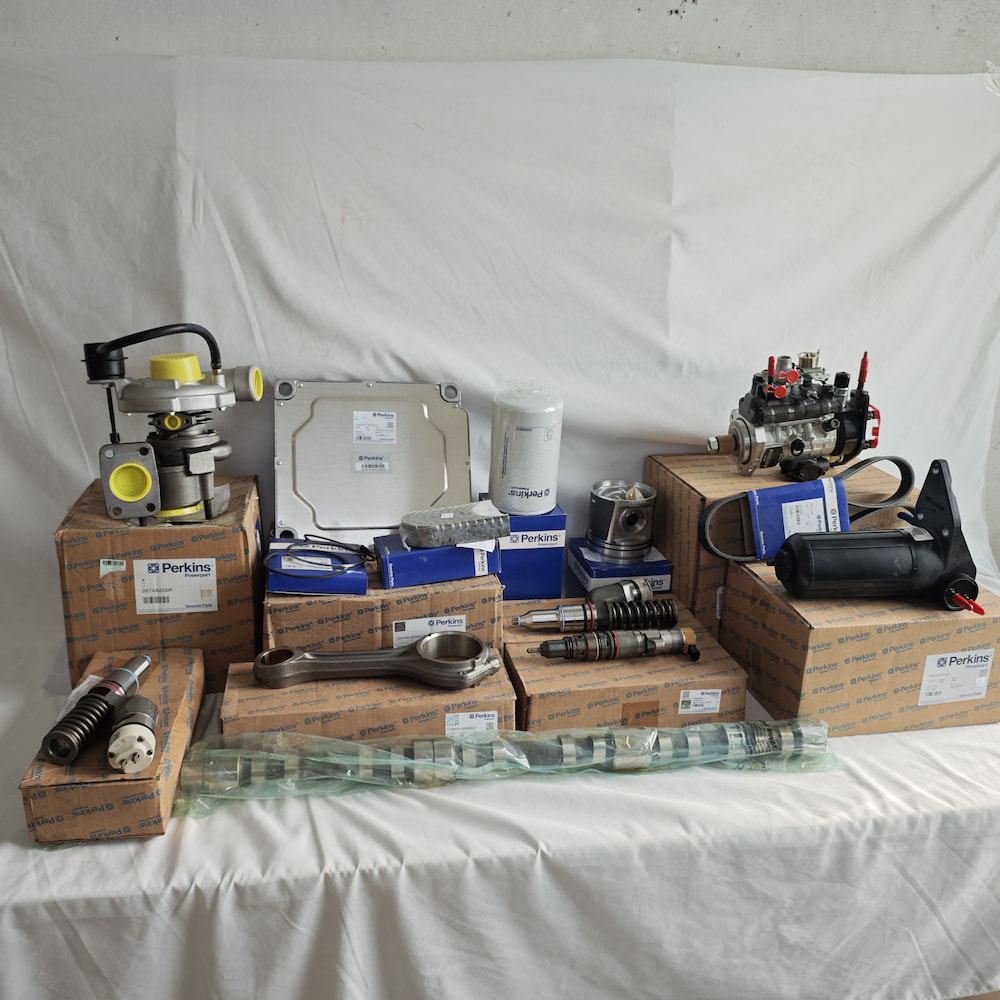
Engine Model Narrows the Search, but Does Not Confirm the Final Part
“Perkins 1104” or “Perkins 1106 parts” are common starting points for a parts inquiry, but they are rarely enough for final purchasing decisions.
The reason is that one engine family may include multiple configurations due to different production periods, emissions requirements, equipment applications and control systems.
The same engine series may therefore use different versions of water pumps, fuel-system components, starter motors, cylinder-head assemblies and sealing components.
For example, a request for:
Perkins 1104 water pump
does not automatically identify the correct pump.
The supplier still needs to confirm which 1104 configuration is installed, what equipment it powers, and whether the current engine still matches its original factory specification.
The engine model identifies the platform. It does not replace proper parts identification.
What Information Is Needed to Match Perkins Parts Correctly?
Engine Serial Number and Configuration Information
The engine serial number is usually more valuable than the model name because it helps identify the specific production configuration and original build information.
For some Perkins engines, additional configuration information such as Build List data can help confirm original attachment combinations and applicable replacement parts. This is especially useful for older engines and industrial applications with more complex configurations.
However, long-service engines may no longer match their original factory condition.
A Perkins engine may have received previous repairs, including cylinder-head replacement, fuel-system changes, cooling-system updates or replacement components from different suppliers.
The serial number helps answer:
What configuration was this engine originally built with?
Current photos and removed components help answer:
What is actually installed on the engine today?
Using both sources together provides a more reliable parts match.
Application Is an Important Part of Parts Identification
Application is one of the most overlooked factors in Perkins parts purchasing.
The same Perkins engine platform may be configured differently depending on where it is installed.
A generator-set application may place more importance on governor systems, cooling arrangements, starting systems and control interfaces.
A construction equipment application may involve different installation space limitations, hydraulic loads, accessory drives and machine-specific mounting requirements.
An industrial application may focus more on continuous operation, maintenance intervals and long-term parts availability.
For a supplier, the difference between:
“This Perkins engine is installed in a generator set.”
and:
“This Perkins engine is installed in an excavator.”
can completely change the matching direction.
Providing the equipment application during inquiry can significantly improve first-quotation accuracy.
Existing Part Number and Component Photos
Existing component information is often the fastest way to identify replacement parts.
A water pump label, injection pump tag, starter motor label or component identification plate can help suppliers locate original references and current replacement numbers.
However, an old part number should not always be treated as the only confirmation source.
Older equipment may have already received previous repairs, and the installed component may no longer represent the original engine configuration. Some engines may also contain aftermarket replacement parts from earlier maintenance work.
Another commonly overlooked issue involves casting numbers.
Large components such as cylinder blocks, cylinder heads and housings often contain casting or manufacturing numbers. These numbers may identify the casting itself, but they are not always the official service part number used for ordering.
Ordering directly from a casting number can result in an incorrect version, different machining condition or incompatible replacement.
The more reliable approach is to combine engine information, existing part references and current component photos.
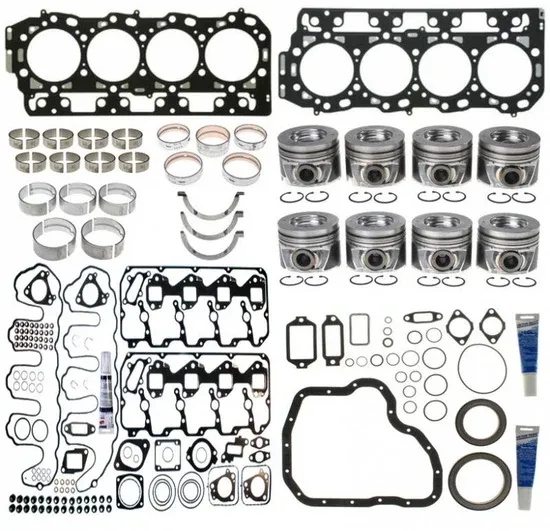
Why Older Perkins Engines Are More Difficult to Match
Many Perkins parts requirements come from equipment that has already been operating for many years.
These legacy machines are often more difficult to identify correctly—not because replacement parts no longer exist, but because the historical information is incomplete.
Engine plates may become damaged, unreadable or missing after years of operation. At the same time, previous repairs may have changed the original configuration.
For example, an older Perkins engine may have received a different cylinder head, updated fuel-system components, replacement cooling parts or modified accessories.
In these cases:
Original factory configuration does not always equal current installed configuration.
Older Perkins engines also frequently involve part-number replacement relationships.
An original part number may have been discontinued and replaced by a newer service number. Different suppliers may also reference the same component through different numbering systems.
Therefore, if an old part number cannot be found, it does not always mean that the part is unavailable.
The correct approach is to confirm whether a current replacement number or supersession relationship exists.
Different Perkins Parts Require Different Matching Priorities
Different component categories require different verification methods.
For overhaul-related components such as pistons, liners, bearings and gasket sets, the main concerns are engine configuration, repair scope, dimensional requirements and quantity basis. A correct engine model alone does not confirm whether the component specification is suitable for the repair.
Fuel-system components such as injection pumps and injectors require closer confirmation of fuel-system type, component identification, calibration information and interface details. Similar-looking fuel components may not be interchangeable between different configurations.
Cooling-system components such as water pumps and thermostats require confirmation of housing design, mounting interface, drive arrangement and sealing requirements. A pump designed for another configuration may appear similar but still be unsuitable.
Starting and electrical components such as starter motors, alternators and sensors require confirmation of voltage, mounting design, connector type and electrical specifications.
The matching logic changes with the component type. Providing only an engine model and requesting “all parts” usually creates unnecessary uncertainty.
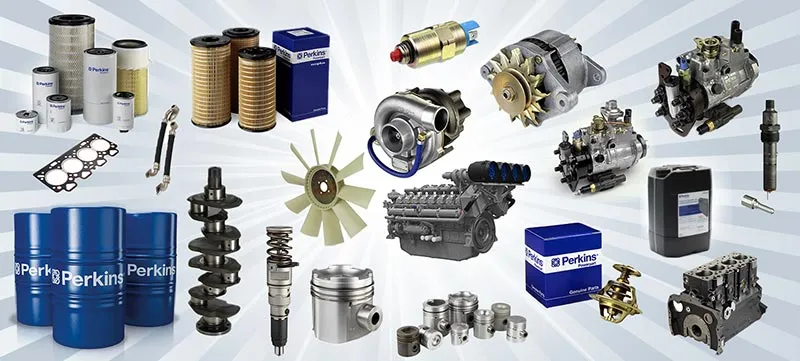
How to Choose Genuine Perkins Parts, Reman and Replacement Parts
Perkins parts buyers may consider different supply options depending on project requirements.
Genuine Perkins Parts usually provide stronger consistency in specifications, traceability and manufacturer support, but they may involve higher purchase costs.
Reman parts can provide another option when buyers need a balance between cost, availability and product support. Specific warranty terms, testing standards and supply conditions should be confirmed with the supplier.
Qualified replacement parts may provide cost advantages, but buyers should confirm the actual manufacturer, applicable engine configuration, quality information and warranty responsibility instead of relying only on statements such as “fits this model.”
For critical components such as fuel-system parts, rotating components and cylinder-head assemblies, the decision should not be based only on price. Manufacturing source, verification information and after-sales responsibility are equally important.
Information to Prepare Before Ordering Perkins Parts
A reliable Perkins parts inquiry should include:
- Complete engine model and serial number;
- Engine data plate photos;
- Current component photos;
- Equipment brand, model and application;
- Required component name;
- Existing part number, if available.
For overhaul-related purchases, additional information such as inspection findings, measurement results or teardown records can improve quotation accuracy.
The more complete the information, the lower the risk of receiving incorrect parts due to configuration differences.
How ZEB Power Helps Identify Perkins Engine Parts
ZEB Power supplies Perkins engine-related parts for generator sets, construction equipment, agricultural machinery and industrial applications.
Based on Perkins engine model, serial number, equipment application and existing component information, ZEB Power helps buyers confirm:
- Correct parts matching;
- Replacement relationships;
- Product condition;
- Comparable quotation scope.
ZEB Power supports sourcing for Perkins engine components, including overhaul-related parts, fuel-system components, cooling-system parts and starting/electrical components.
Final repair decisions, reuse of existing components and installation procedures should remain with qualified repair professionals.
Provide the Perkins engine data plate, serial number, equipment model and required components. ZEB Power can help identify suitable Perkins parts solutions.
Frequently Asked Questions
Can Perkins parts be ordered using only the engine model?
Usually not. The engine model identifies the basic platform, but final matching normally requires serial number, application information and component references.
Why do suppliers ask for the Perkins serial number?
Because one engine family may include different configurations and replacement part options.
Are all parts interchangeable within the same Perkins engine series?
Not always. Different applications and production versions may use different components.
Can an old Perkins part number directly confirm the replacement part?
It helps identify the component, but it should be verified with engine configuration and current component photos, especially for older equipment.
Why are two Perkins parts quotations sometimes very different?
Possible reasons include different part numbers, product conditions, included components, brands, quantities or supply scope.