
Diagnosing High Fuel Consumption in the Caterpillar C18 Engine

4857
Table of Contents
Generating table of contents
Why Is Your Caterpillar C18 Engine Consuming Too Much Fuel?
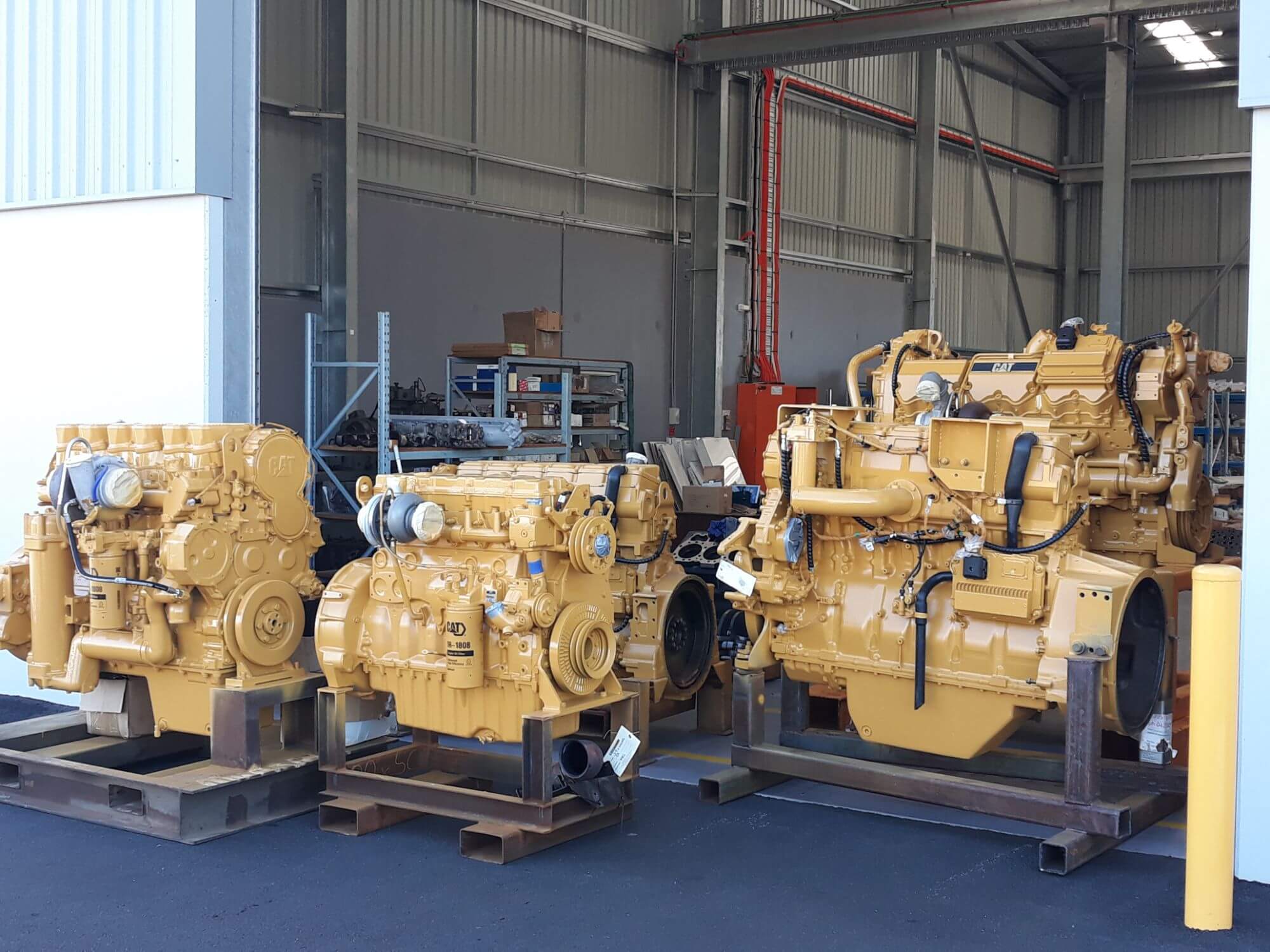
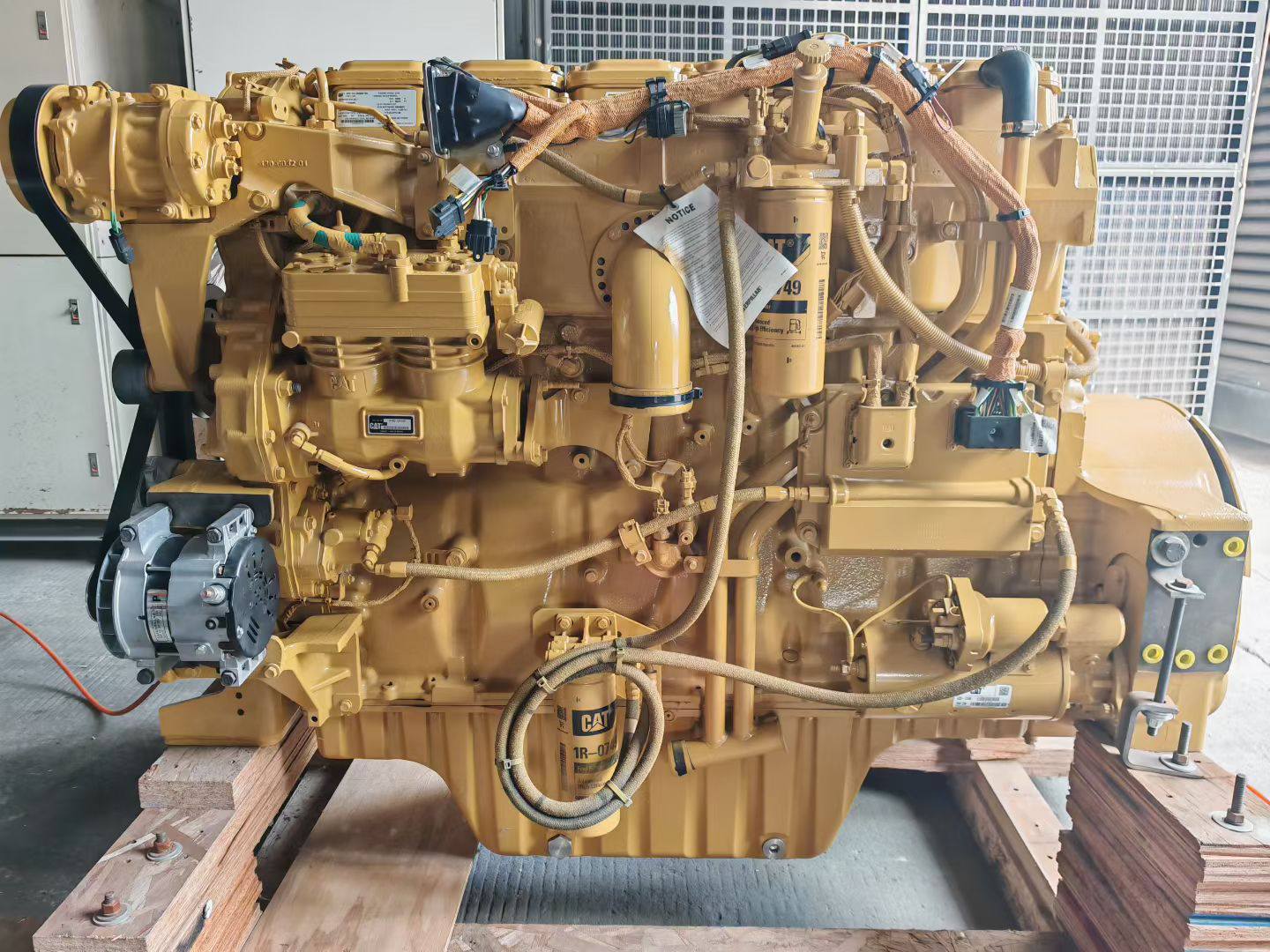
The Caterpillar C18 engine is widely used in mining trucks, construction machinery, marine power systems, generator sets and heavy-duty industrial equipment. Known for strong torque output, long service life and reliable performance, the CAT C18 diesel engine is designed for demanding working environments where uptime and fuel efficiency are critical.
However, when fuel consumption becomes unusually high, it often indicates problems in the maintenance condition, fuel injection system, air intake system, turbocharger, exhaust system, auxiliary equipment or internal engine components. Identifying the root cause early helps operators reduce fuel costs, protect engine components and keep the Caterpillar C18 engine running efficiently.
This guide explains the common causes of high fuel consumption in Caterpillar C18 engines and provides a practical inspection process for operators, fleet managers and maintenance technicians.
Common Causes of High Fuel Consumption in Caterpillar C18 Engines
High fuel consumption is rarely caused by one single factor. In many cases, it results from several small issues that affect combustion efficiency, load balance or engine control performance. The following table provides a quick overview of key inspection areas.
| Inspection Area | Possible Problem | Effect on Fuel Consumption | Recommended Action |
|---|---|---|---|
| Maintenance condition | Clogged filters, overdue oil change, carbon buildup | Lower combustion efficiency and higher fuel use | Check oil, coolant, air filter and fuel filter condition |
| Fuel system | Injector wear, fuel leakage, weak fuel pump or blocked fuel filter | Poor fuel atomization, misfire or uneven cylinder output | Test injectors, fuel pressure and fault codes with CAT ET |
| Air intake system | Blocked air filter, intake leak or restricted airflow | Rich fuel mixture and incomplete combustion | Inspect intake pipes, air cleaner and sensor readings |
| Turbocharger and exhaust | Turbo wear, exhaust leakage or abnormal boost pressure | Reduced air supply and higher fuel demand | Check turbocharger, boost pressure and exhaust condition |
| Auxiliary equipment | Hydraulic overload, pump damage or attachment resistance | Engine works under unnecessary load | Inspect hydraulic systems, pumps, compressors and attachments |
| Mechanical wear | Worn piston rings, leaking seals or internal wear | Loss of compression, oil dilution and poor efficiency | Perform compression checks and inspect leakage points |
1. Check Maintenance Condition and Engine Service History
One of the most common reasons for high fuel consumption in a Caterpillar C18 engine is poor or delayed maintenance. Clogged air filters, blocked fuel filters, old engine oil, carbon buildup and contaminated fluids can all reduce combustion efficiency and increase fuel usage.
Operators should regularly inspect engine oil, coolant, air filters, fuel filters and water separators. Clean filters ensure proper airflow and fuel delivery, both of which directly affect engine efficiency. If the CAT C18 engine works in dusty mining, quarrying or construction environments, filter inspection should be performed more frequently.
Learn more about Caterpillar C18 engine specifications
2. Evaluate the Caterpillar C18 Fuel System
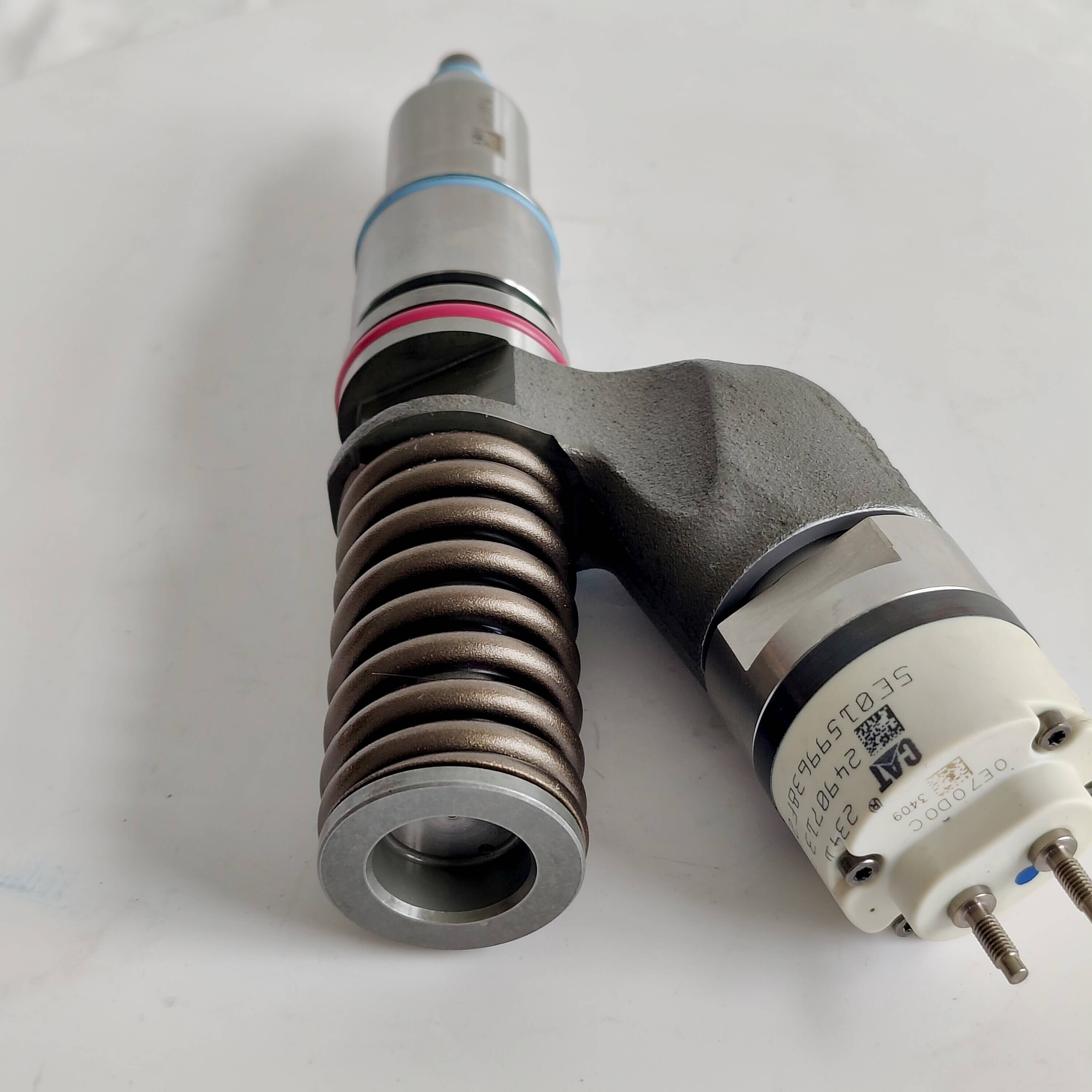
The fuel system plays a direct role in the combustion performance of the Caterpillar C18 diesel engine. Fuel filters, injectors, high-pressure lines, fuel pump and ECM control signals should all be checked when fuel consumption becomes abnormal.
Blocked filters or worn injectors can cause poor fuel atomization, uneven cylinder output and incomplete combustion. Fuel leakage may also increase operating cost while reducing overall engine reliability.
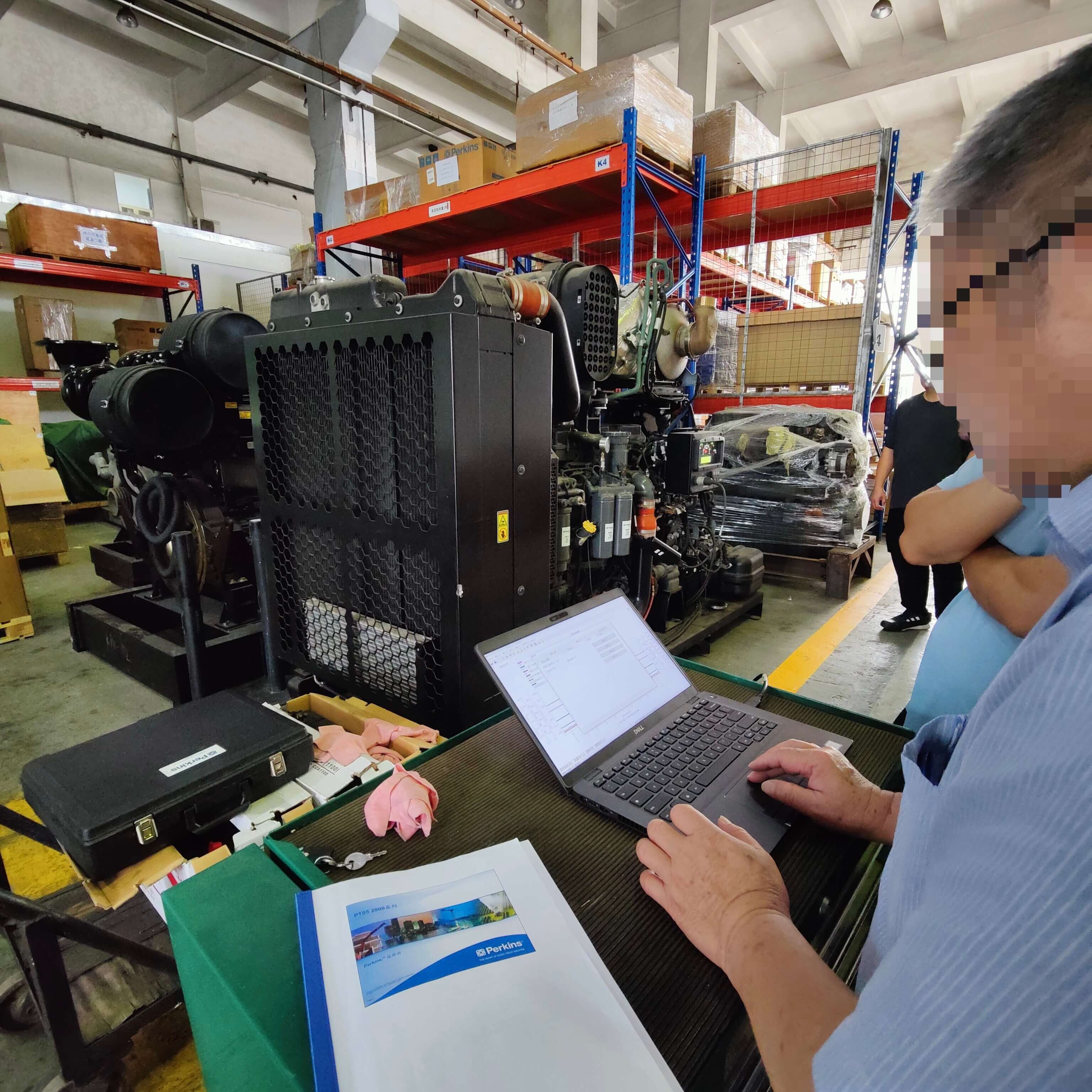
For accurate diagnosis, technicians can use diagnostic tools such as CAT ET to read fault codes, perform injector solenoid tests and conduct cylinder cut-out tests. If an injector coil is not properly powered by the ECM, or if one cylinder shows abnormal combustion, the problem should be repaired immediately.
Regular inspection of the fuel injection system helps maintain Caterpillar C18 engine performance, protect internal components and optimize fuel efficiency.

3. Inspect the Air Intake System and Turbocharger
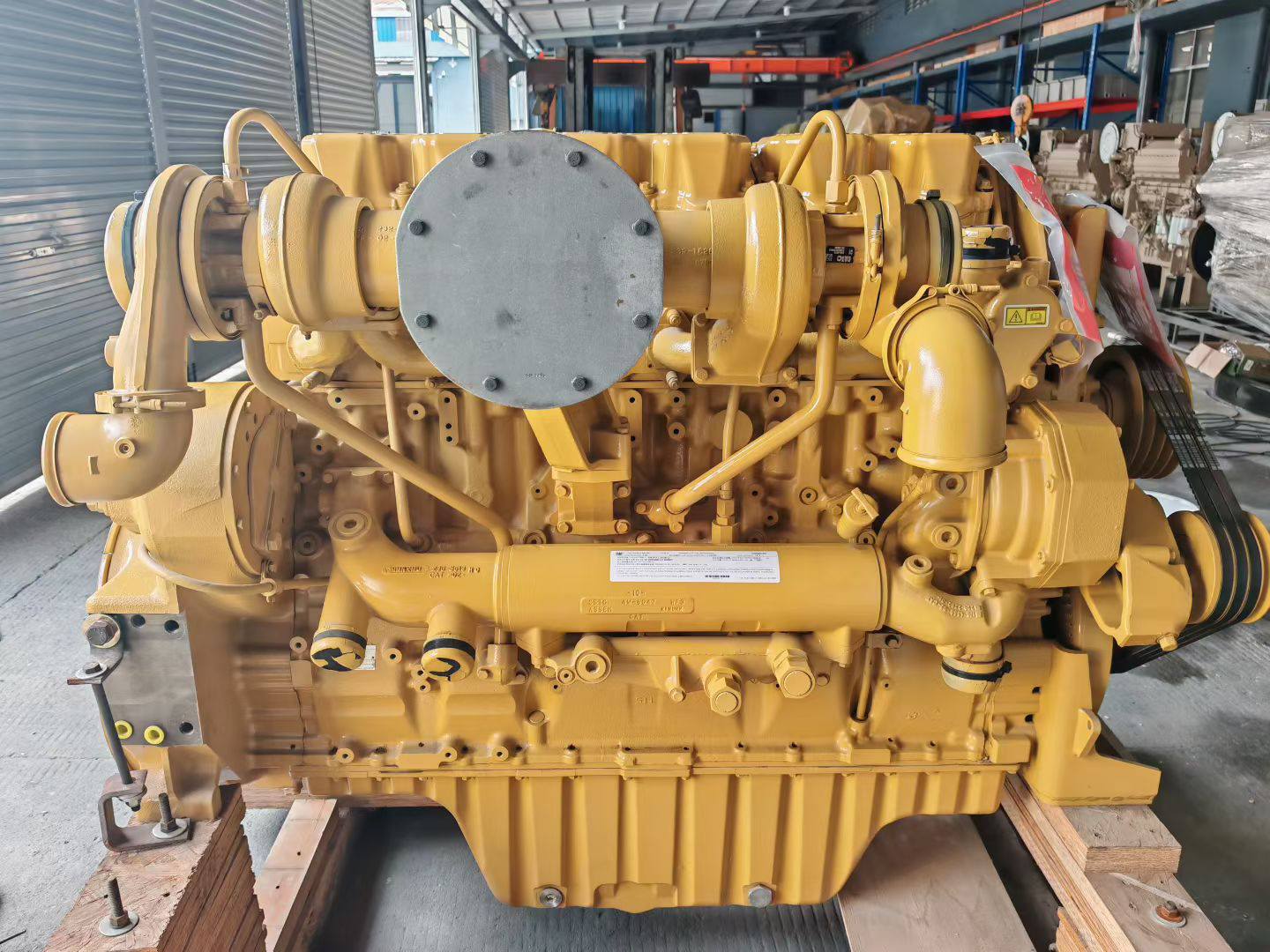
Restricted airflow is another major cause of excessive fuel consumption in Caterpillar C18 engines. When the air intake system is blocked or leaking, the engine may receive insufficient air for complete combustion. This can result in black smoke, weak power output and higher fuel usage.
Operators should inspect the air cleaner, intake pipes, clamps, hoses and sensor readings. A dirty air filter should be replaced promptly, especially when the engine operates in dusty mining, construction or quarry applications.
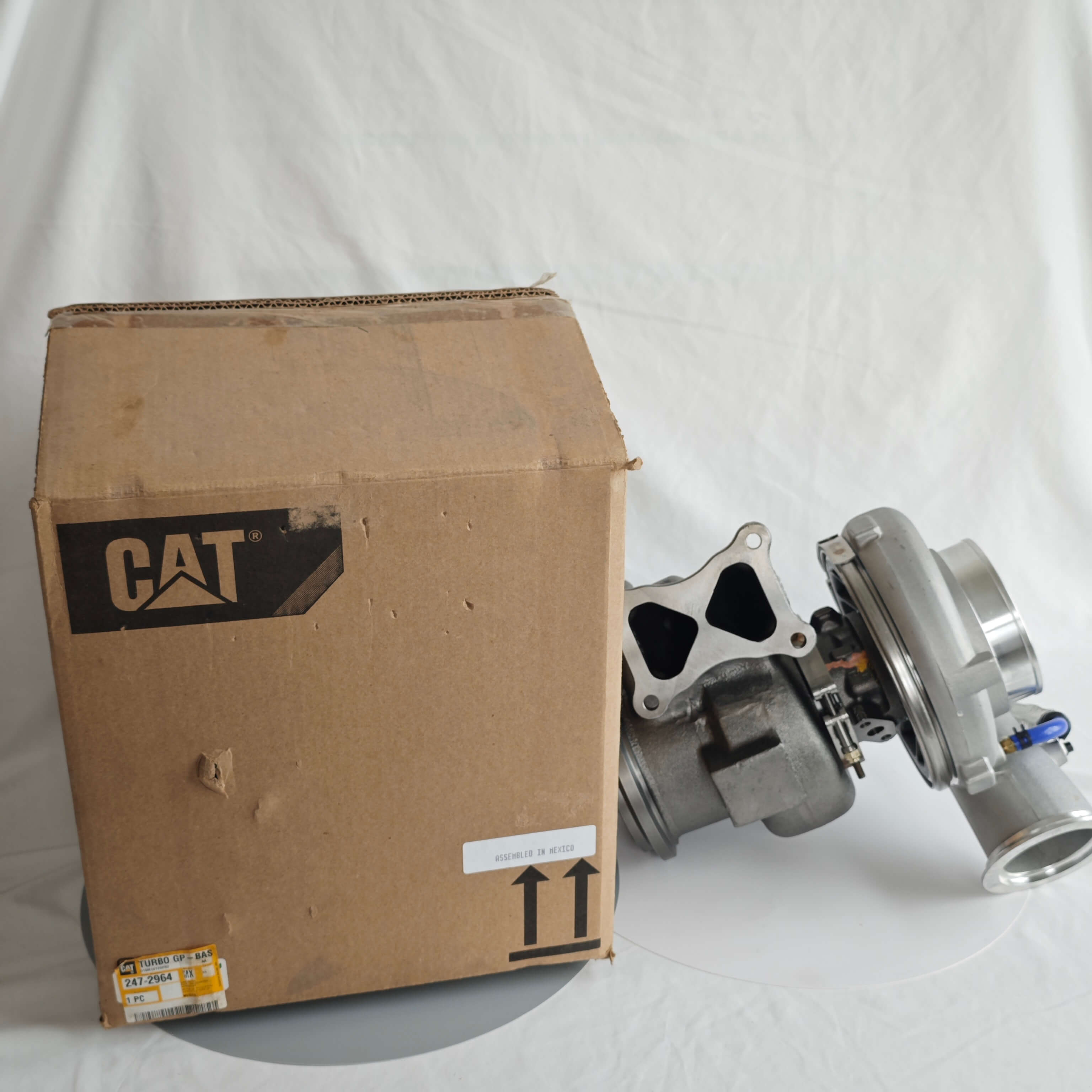
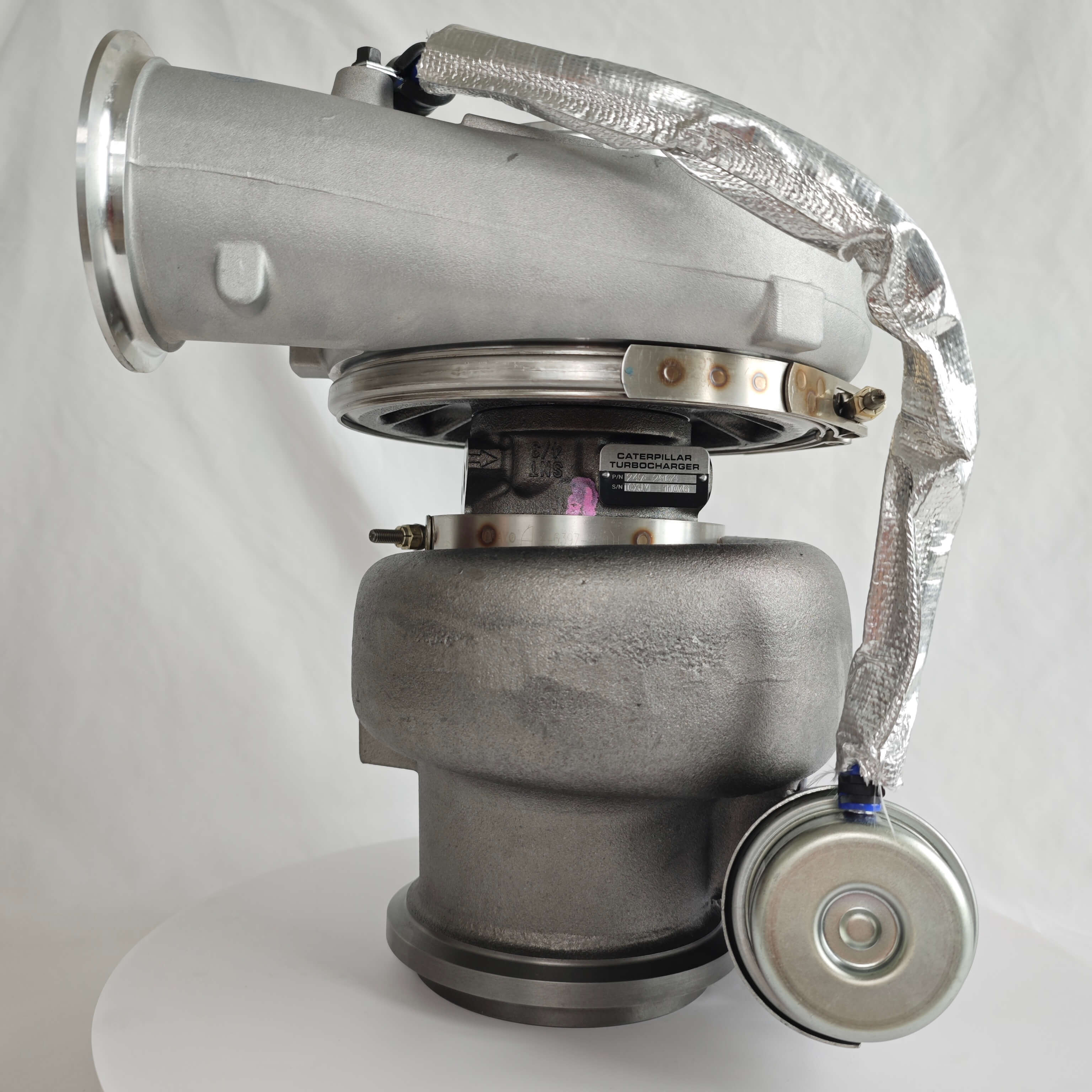
The turbocharger should also be checked carefully. A properly functioning turbocharger helps maintain a balanced air-to-fuel ratio, allowing the Caterpillar C18 engine to deliver rated power without wasting fuel. Abnormal boost pressure, damaged turbo blades, oil leakage or excessive shaft play can all affect engine efficiency.
4. Check the Exhaust System for Leakage or Restriction
Exhaust system problems can also increase fuel consumption. Exhaust leakage before or near the turbocharger may reduce turbo efficiency, while blocked exhaust components can increase back pressure and reduce engine breathing performance.
Technicians should inspect exhaust manifolds, gaskets, pipes and turbo connections. If the Caterpillar C18 engine is used in marine, generator or heavy industrial applications, exhaust restrictions should be checked as part of routine maintenance.
5. Examine Auxiliary Equipment and Operating Load
Not every fuel consumption problem comes from the engine itself. Auxiliary equipment issues can also force the Caterpillar C18 engine to work under excessive load. Hydraulic attachments, pumps, compressors, cooling fans or power transmission components may increase resistance if they are damaged or poorly adjusted.
For example, a malfunctioning breaker hammer, hydraulic pump or hydraulic motor can increase operating load, causing the engine to burn more fuel to maintain power output. Operators should check whether fuel consumption rises only during certain working conditions or when specific attachments are used.
Repairing or replacing damaged auxiliary components helps prevent unnecessary engine strain and improves overall equipment efficiency.
6. Monitor Mechanical Wear, Oil Leakage and Internal Damage
Mechanical wear can lead to both oil consumption and fuel consumption problems. Worn piston rings, damaged cylinder liners, leaking seals, poor compression or valve sealing issues may reduce engine efficiency and increase fuel use.
Operators should inspect for oil leakage around the crankshaft seal, valve cover gasket, turbocharger oil lines and other sealing points. Fuel dilution in engine oil should also be checked, as it may indicate injector leakage or incomplete combustion.
A damaged turbocharger, leaking injector or diluted oil can lead to serious engine problems if not repaired in time. Regular inspection and timely maintenance help keep the Caterpillar C18 engine operating economically.
7. Use a Systematic Diagnostic Process
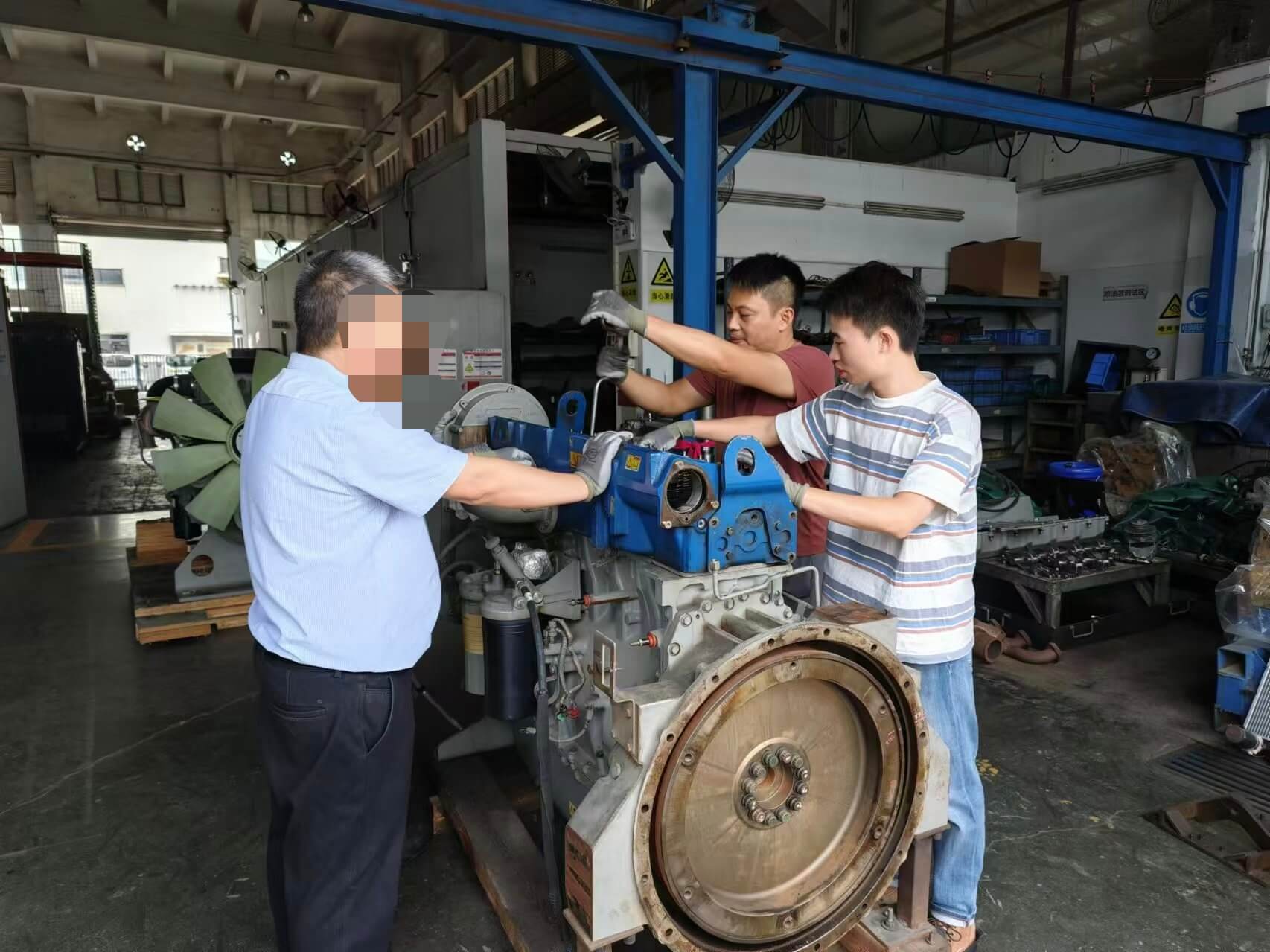
Diagnosing high fuel consumption requires a structured inspection of the fuel system, air intake system, turbocharger, exhaust system, auxiliary load and mechanical condition. Using Caterpillar diagnostic tools, technicians can read fault codes, compare sensor data, identify abnormal cylinder performance and locate efficiency losses more accurately.
By addressing these problems early, operators can extend engine service life, reduce fuel cost and maintain consistent power output in mining, marine, construction, generator and industrial applications.
Recommended Inspection Steps for High Fuel Consumption
- Check recent maintenance records and confirm whether oil, air and fuel filters were replaced on time.
- Inspect fuel filters, injectors, fuel pump and fuel lines for blockage, leakage or abnormal pressure.
- Use CAT ET or appropriate diagnostic tools to read fault codes and monitor sensor data.
- Check air intake pipes, air filter condition and turbocharger boost pressure.
- Inspect exhaust leakage, exhaust restriction and turbocharger oil leakage.
- Review auxiliary equipment load, including hydraulic pumps, compressors and attachments.
- Check for oil leakage, fuel dilution, compression loss or internal mechanical wear.
Need Expert Assistance for Caterpillar C18 Engine Problems?
If your Caterpillar C18 engine shows signs of high fuel consumption, weak power, black smoke, abnormal exhaust, unstable operation or performance loss, professional diagnosis is recommended.
ZEB POWER provides accurate diagnostics, genuine replacement parts and technical support for Caterpillar C18 engine models used in mining trucks, marine power systems, generator sets, construction machinery and industrial equipment.
Contact us today for a detailed inspection or quotation
ZEB POWER offers Caterpillar C18 engine components, fuel injectors, turbochargers and technical service support to help keep your equipment operating efficiently and reliably in demanding environments.