

Cummins Replacement Parts for Repair Shops and Traders

6976
Table of Contents
Generating table of contents
End users buy parts to get their own equipment running again. Repair shops and traders buy parts to serve their own customers — and every part that goes out the door ends up shaping their quote, their delivery, and how much their customer trusts them. Today it might be a 6BT injector, tomorrow an NT855 bearing, next month a KTA19 overhaul kit — the need itself never settles into a predictable pattern. That difference sounds small, but it shapes everything from how you pick a supplier to how you price a job to how you manage risk. This one's written for exactly that kind of buyer.
Why Repair Shops and Traders Buy Differently Than End Users
Compared to end users, repair shops and traders are dealing with three realities that don't apply the same way:
- The part isn't for you — every part you buy ends up with one of your own customers, and if something goes wrong, they come to you first, not the original supplier
- The models are unpredictable — end users and fleets generally just need to cover the handful of engines they run; a repair shop might work on a 6BT today and have a customer roll in with a KTA19 tomorrow. You can't just stock what you personally need — you need to handle whatever shows up
- Margin is the central question — an end user asks "how much is this part." You're asking "what does it cost me, what can I sell it for, and is that gap enough to cover my time and risk"
Those three things mean what you need isn't another "how to pick the right part" guide (plenty of that already exists) — it's a way of thinking about turning parts sourcing into a business that actually stays profitable.
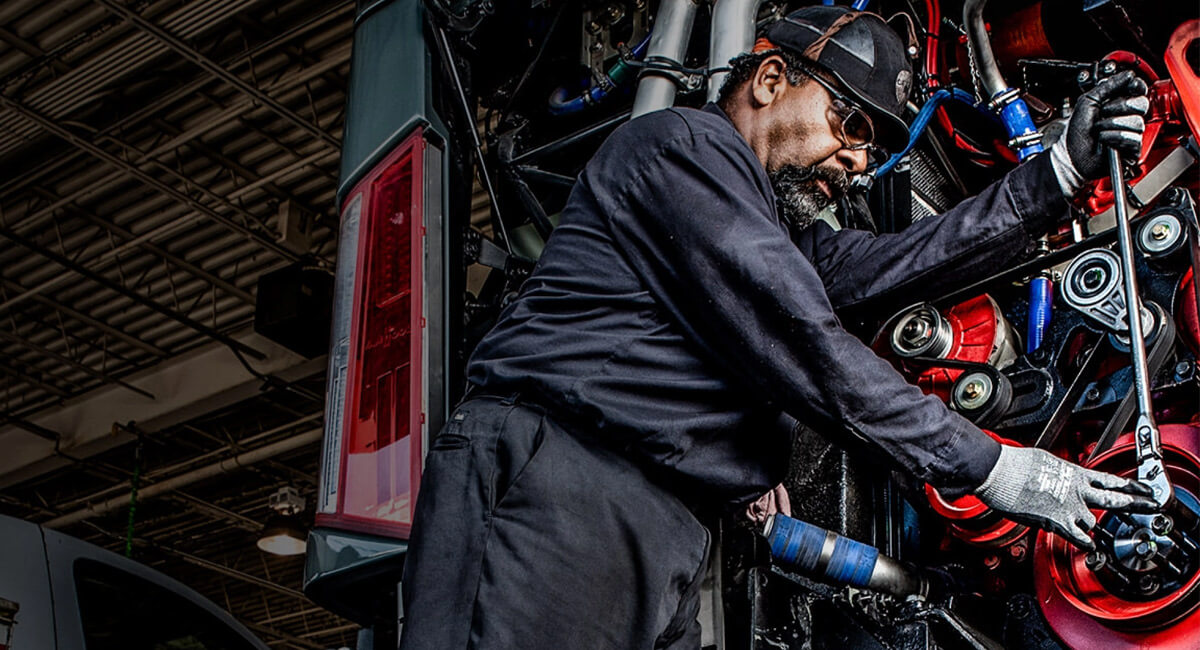
What You're Really Buying Isn't Just the Part — It's Your Own Reputation Risk
This is the piece repair shops and traders most often overlook, and it's the costliest one: a part quality problem eventually becomes your problem, not the supplier's.
If an end user orders the wrong part, worst case they wait a few extra days and pay for some rework. As a repair shop or trader, your customer doesn't know or care which supplier you sourced from — all they know is "the shop that fixed my truck had it break down again soon after," or "the part I bought from this trader didn't fit." You're not just absorbing the cost of that one job — you're absorbing the hit to how much your customer trusts you, and once that trust erodes, repeat business and word-of-mouth referrals go with it.
That means the risk calculus you use to pick a supplier isn't the same as an end user's. A cheap supplier that occasionally messes up might just be "bad luck this time" for an end user — for you, it's an ongoing exposure to your own reputation.
Unpredictable Models: What Real Coverage Actually Means
When an end user or fleet operator asks "can this supplier cover my models," they mean the handful of machines they actually run. For a repair shop or trader, that question carries much more weight — you need coverage across whatever models might show up across your entire customer base, and you can't fully predict that range yourself.
That's why, when vetting a supplier, it's worth asking beyond "can you get me a 6BT injector":
- If you hit a less common model they don't stock, can they source it — and roughly how long would that take?
- Facing a model they've genuinely never dealt with, is their instinct "let us look into it" or "sorry, we don't have that"?
- Beyond the popular models, do they actually know their way around older or discontinued engines?
A supplier that only covers "the common ones" is fine short-term — but sooner or later, over a long enough relationship, you'll hit the machine they can't say anything useful about.
Common models vary by market too, so it's worth roughly mapping out what's typical where you operate: construction machinery markets commonly run 6BT, QSB6.7, QSC8.3; mining and heavy equipment often involves NT855, KTA19, KTA38; genset markets may lean toward NTA855, KTA19, KTA38, KTA50, and the QSK series. Building a base stock around "locally common models + high-frequency parts" is more realistic than chasing a little bit of everything.
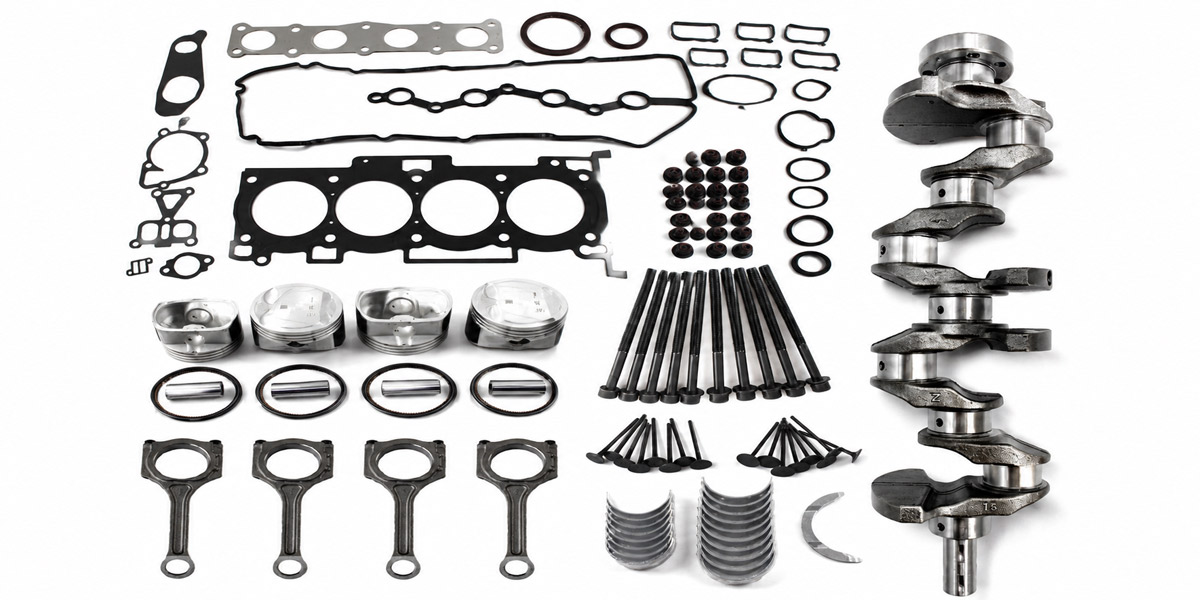
Which Parts Are Worth Stocking, and Which Should Wait for an Order
"Models are unpredictable" doesn't mean nothing is worth stocking. As a general rule: high-turnover, standardized parts are good stocking candidates; high-matching-risk, high-value, configuration-sensitive parts are better confirmed against an actual order first:
| Part Type | Stocking Guidance | Notes |
|---|---|---|
| Filters, belts, hoses, clamps | Good to stock | Highly standardized — stock by common models and maintenance cycle |
| Common water pumps, starters, alternators | Stock in moderation | Confirm model and fitment; keep a small range for locally popular models |
| Common gaskets and seals | Stock in moderation | Sort by common model; avoid stocking special specs |
| Injectors, fuel pumps, turbochargers | Stock cautiously | High matching risk — can vary by ESN/CPL, better confirmed against an order |
| Pistons, rings, liners, bearings | Better confirmed per order | Overhaul-related, needs the specific engine configuration confirmed first |
| Overhaul kits | Order to a repair plan | Confirm top/in-frame/complete and the exact contents before ordering |
Special-spec injectors, uncommon piston/liner sets, and high-output overhaul kits are high-value, slow-turning items — not worth stocking blind. The safer play is building a fast-sourcing arrangement with your supplier, using response speed instead of sitting on inventory.
Genuine + Aftermarket: Not Just a Quality Choice — a Source of Pricing Flexibility
The quality differences between genuine and aftermarket parts have been covered in detail elsewhere. For repair shops and traders, though, there's another layer to it: they're tools you use to match different customer budgets and risk tolerances.
Say a customer on a tight budget needs a repair — you can use aftermarket on low-risk maintenance items to keep the overall quote down, while sticking with genuine on core components like injectors and pistons, controlling total cost without stacking risk on the parts that matter most. A customer who isn't price-sensitive and cares more about reliability — go all-genuine on that job. A purely budget-driven customer — high-quality aftermarket on a mature model can set you apart from competitors quoting even lower but with unreliable quality.
In other words, genuine vs. aftermarket isn't about which one you personally trust — it's about having a few different options on hand to match different customers' budgets and risk preferences. A supplier that only does one or the other limits your own pricing flexibility.
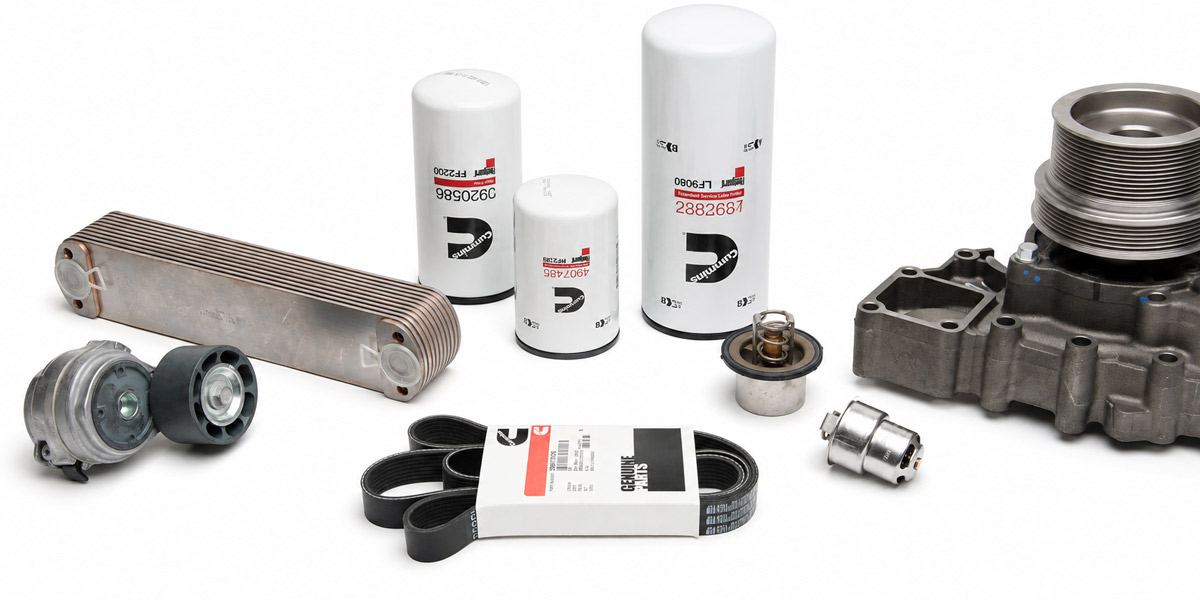
Wholesale Pricing, Stock Support, and Payment Terms
This is stuff end users never need to think about, but it's core to whether your business stays viable long-term:
- Tiered pricing — at what order volume do you get a more competitive unit price, and does the supplier have clear pricing tiers, rather than negotiating from scratch every time
- Stock support — can they help confirm stock and restocking cycles for your commonly used models ahead of time based on your quarterly purchasing plan, rather than everything being sourced to order and you carrying the full inventory risk
- Payment terms — for customers with an established, steady track record, is there room to discuss more flexible payment arrangements based on order history and volume? Cash flow matters a lot for small and mid-sized repair shops and traders, and it's worth raising once the relationship is a bit more established
Worth asking about these before you're committed to a supplier — not after your first big order shows up and you find out they can't support it.
When Your Customer Can't Tell You Their Own Engine Details
A lot of your end customers can't accurately tell you their engine model, let alone the ESN or CPL. In that situation, you're effectively the information relay — the customer's vague, and it falls on you to either fill in the gaps for the supplier or lean on the supplier's experience to help narrow things down.
A few things that tend to work well in practice:
- Have the customer photograph the engine nameplate and the old part directly, and forward it to the supplier — faster than you going out to verify it yourself
- If there's no photo at all and only a verbal description of the symptoms, pass that along as-is and let the supplier's experience narrow down the likely cause
- Keep a running list of the models you deal with regularly and the common issues tied to each — next time something similar comes up, you can check against it instead of starting from zero
How fast and how capably a supplier responds in this exact moment often decides whether you can get a quote out to the customer within the window they're waiting on — worth weighing when you're evaluating a supplier.
What to Send for an Accurate Quote
Whether it's a repair job or a stocking order, the more complete your information, the faster a supplier can confirm the part, price, and lead time. Use this format and send it as-is:
Cummins Parts Inquiry Format:
- Purpose: Repair Order / Stock Order / Customer Quotation
- Engine Model:
- ESN / CPL:
- Part Number:
- Quantity:
- Genuine or Aftermarket:
- Destination Country:
- Required Delivery Time:
For a stocking order, add:
- Target Engine Models:
- Monthly/Quarterly Demand:
- Genuine/Aftermarket Mix:
For a repair order, add:
- Fault Description:
- Urgent or Planned:
Building a Supply Relationship That Actually Lasts
As a repair shop or trader, the lens you evaluate a supplier through should lean more toward "business partner" than "one-off transaction." Beyond fitment capability, it's worth flipping the question around and asking yourself:
- Does this supplier actually care whether your business stays viable, or only about the margin on this one order?
- When there's a batch complaint or a return, are they willing to work through it with you, or does the blame land entirely on you?
- Does the relationship actually get better as your volume grows — payment terms, pricing tiers, a dedicated contact — or does it stay stuck at whatever the first deal looked like?
It's also worth building your own habit here: keep a record of the engine models you commonly deal with, past part numbers ordered, frequent failure parts, and customer preferences, and update it regularly. That cuts down the time spent re-verifying information on every inquiry, and gives your supplier a clearer picture of your needs, which usually means better stocking suggestions from their side too.
A supply relationship built for the long term is worth the time it takes — it saves you more than just negotiation effort each time. It saves you response speed when something unexpected comes up.
From Buying Customer to Long-Term Partner
Steady purchasing habits, clear coverage of the models you commonly deal with, a growing base of local customers, a consistent restocking rhythm — if you've had these in place for a while, a natural question tends to come up: can this relationship go a step further?
That usually means a more stable pricing structure, priority on stock and lead times, and a more direct point of contact — the specifics depend on your actual situation. If a deeper regional partnership with ZEB Power sounds interesting, send us where you're at with purchasing and what market you're in, and we'll talk through what makes sense.
FAQ
1. A customer brings in a model I've never dealt with — what's the fastest way to verify it?
Have the customer photograph the engine nameplate and describe the fault, then forward that to your supplier for help narrowing it down — faster than checking it yourself on-site. A running record of models you've dealt with before also cuts down repeat verification time.
2. Which parts are good to stock, and which should wait for an order?
Standardized consumables — filters, belts, hoses — are good stocking candidates. High-matching-risk core parts — injectors, pistons, liners, bearings — are better ordered against a confirmed customer request, so you don't end up sitting on the wrong model's inventory.
3. How should a repair shop or trader actually use genuine vs. aftermarket?
Mix them by customer budget and risk tolerance — genuine on core components, aftermarket on consumables to manage total price, or go all-in on one or the other depending on the customer type. It's really about matching different customers' budgets and preferences while keeping your own pricing flexible.
4. When's the right time to bring up tiered pricing and payment terms with a supplier?
Early in the relationship, before a big order is on the line — not after you've already committed and discover they can't actually support it.
5. How do I tell if a supplier sees me as a long-term partner versus a one-off customer?
Look at how they handle a batch issue or return, and whether the terms of the relationship actually improve as your volume grows. A supplier only focused on this one order's margin, unwilling to adjust terms, usually isn't one to lean on long-term.
6. What's the difference between a regional distribution partnership and just buying in bulk?
Bulk purchasing is still negotiated order by order. A regional partnership leans toward a longer-term, more committed relationship — usually with steadier pricing, priority on stock and lead times, and a more direct line of contact.
Summary: Run Parts Sourcing Like a Business, Not Just Restocking
As a repair shop or trader, your parts sourcing decisions ultimately answer to your own customer relationships, your pricing flexibility, and your reputation — a fundamentally different logic than an end user's "as long as it works" approach. When picking a supplier, beyond fitment capability, it's worth weighing whether they can support you through unpredictable model demand, whether they offer flexible pricing and payment support, and whether they're actually willing to treat you as a long-term partner in growing your business.
Whether you're sourcing for a repair job or building out local stock, send ZEB Power the engine model, part number, parts list, quantity, and destination country — we'll help confirm the parts, offer genuine or high-quality aftermarket options, and support a stable, long-term restocking relationship.