

Cummins Overhaul Kits: Top, In-Frame & Complete Explained

3566
Table of Contents
Generating table of contents
When an engine's been running a long time — or starts showing symptoms like oil consumption, low compression, low oil pressure, liner wear, bearing noise, leaks, or a drop in power — "should we overhaul it" is often a harder call than "which part do we need." Undershoot the repair, and you're back in the shop sooner than expected. Overshoot it, and you've spent time and budget you didn't need to.
Cummins overhauls generally break down into three levels: Top Overhaul, In-Frame Overhaul, and Complete Overhaul. These aren't a "more expensive is better" ladder — they correspond to different degrees of wear and different repair scopes. Get the level wrong, and at best you overpay; at worst, you're back to square one shortly after the repair.
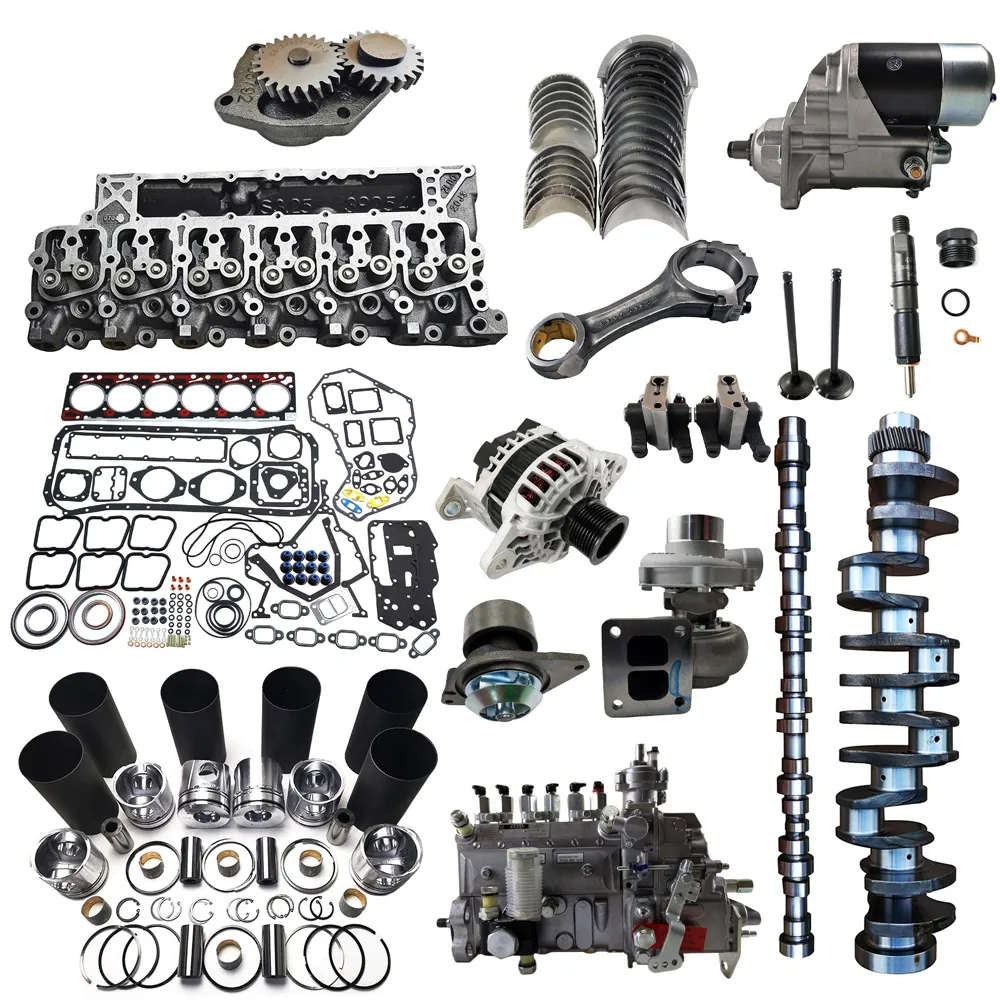
This guide walks through what symptoms typically point to each overhaul level, what's usually included, how to decide between them, and why quotes for the "same" overhaul kit can look completely different from one supplier to the next.
What Counts as a Cummins Overhaul — and Why the Three Levels Aren't Interchangeable
An overhaul is different from swapping a single part — it's a systematic repair at a given level of the engine, usually needed once problems like low compression, oil consumption, noise, or leaks have gone beyond what a single replacement part can fix.
The three levels differ in depth of repair:
- Top Overhaul addresses the upper engine only (cylinder head, valve train)
- In-Frame Overhaul builds on that to address core moving parts — pistons, liners, bearings
- Complete Overhaul builds on In-Frame to restore more of the engine systematically
The three levels build on one another in terms of repair depth. An in-frame overhaul typically starts where a top overhaul leaves off — inspecting or repairing the upper engine first, then moving into pistons, liners, and bearings. A complete overhaul goes further still, covering a fuller rebuild scope.
In practice, though, kit contents vary by supplier, and it's a mistake to assume an in-frame kit automatically includes everything from a top overhaul (injectors, valve components, or a full cylinder head assembly, for instance, aren't always included). This is exactly why getting the level wrong is costly — kit contents need to be confirmed item by item, not assumed from the name alone.
Top Overhaul Kits
Symptoms That Point to a Top Overhaul
- Cylinder head leaks or poor sealing
- Poor valve sealing or valve-related noise
- Injector faults or reduced performance
- Upper gasket oil or coolant seepage
- The core bottom end (liners, pistons, bearings) still checks out fine, with the issue concentrated up top
These symptoms are a general reference point only. Whether a top overhaul alone is sufficient should be confirmed through proper diagnostics — a compression test or borescope inspection — rather than symptoms alone, to avoid an under-scoped repair.
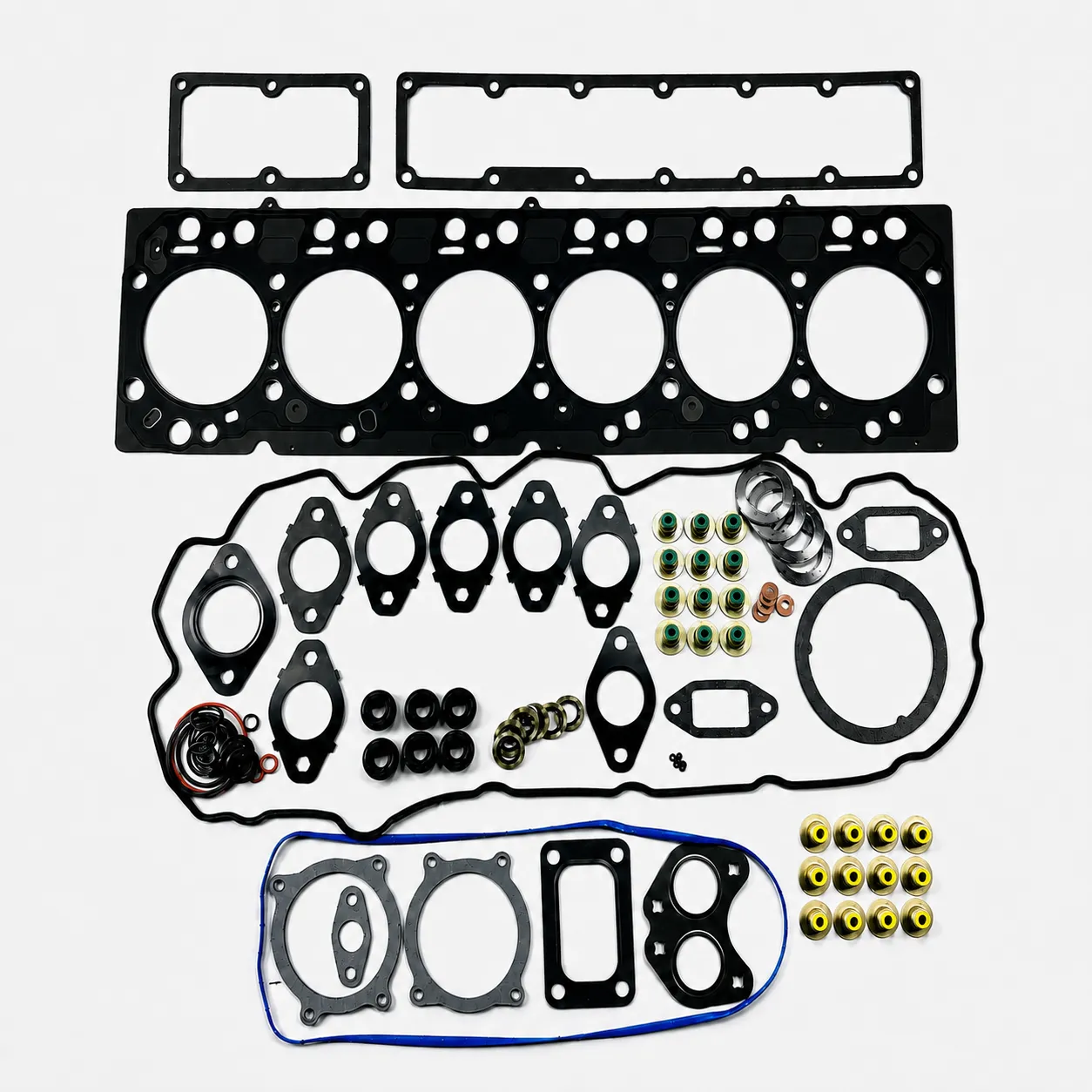
What's Typically Included
- Cylinder head components
- Valves, valve guides, valve seats
- Head gaskets
- Upper gasket sets
- Injectors
- Rocker arm and related valve-train components
In-Frame Overhaul Kits
Symptoms That Point to an In-Frame Overhaul
- Noticeable oil consumption
- Low compression
- Cylinder liner wear
- Bearing wear or abnormal oil pressure
- Ongoing issues that a top overhaul hasn't resolved
Same advice applies here — confirm the actual degree of wear through diagnostics rather than symptoms alone, to avoid under- or over-scoping the repair.
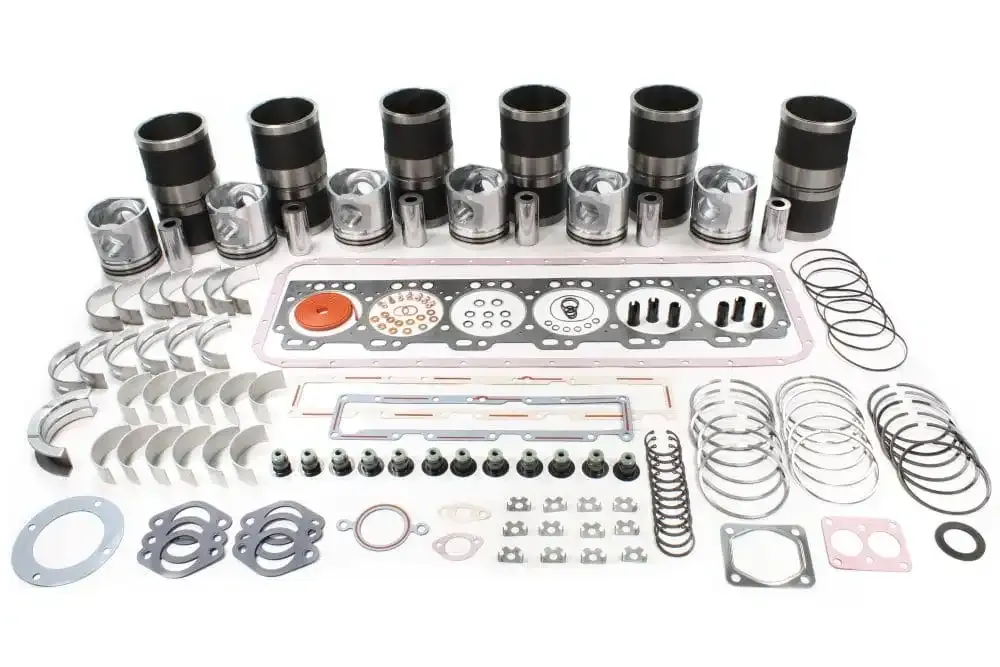
What's Typically Included
Builds on the top overhaul parts list, adding:
- Pistons, piston rings, pins, retaining rings
- Cylinder liners
- Rod bearings
- Main/crankshaft bearings
- Thrust washers
- Additional seals and gaskets
Complete Overhaul Kits
Symptoms That Point to a Complete Overhaul
- High operating hours with wear showing across multiple systems at once
- Need for a full rebuild to restore near-factory reliability
- High-reliability applications (mining, critical standby power) where another shutdown soon isn't an option
- The in-frame scope no longer covers the full extent of the issue
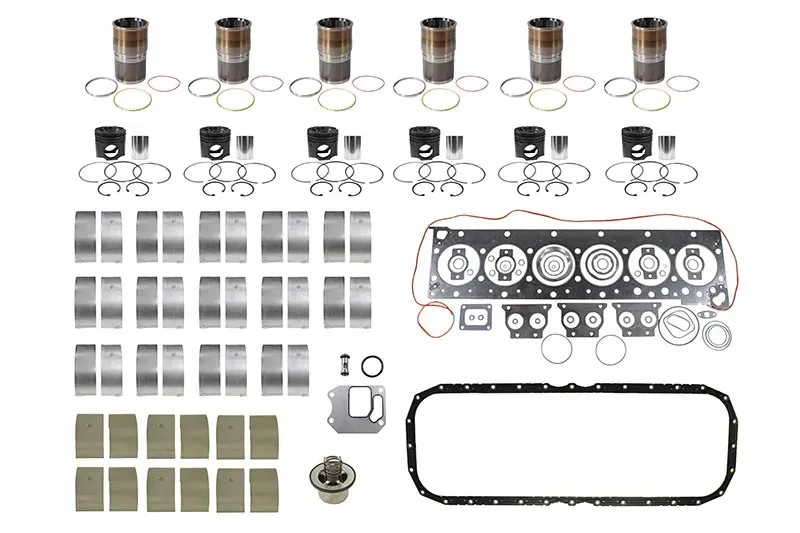
What's Typically Included
Builds on the in-frame overhaul parts list, adding:
- Camshaft-related seals
- Front and rear crankshaft seals
- Full gasket sets
- Additional seals
- Other internal components as confirmed by engine configuration
Top vs. In-Frame vs. Complete: A Decision Framework
| Factor | Top Overhaul | In-Frame Overhaul | Complete Overhaul |
|---|---|---|---|
| Repair scope | Upper engine | Upper engine + core moving parts | Upper + core parts + broader internals |
| Typical trigger | Head/valve/injector issues | Low compression, oil consumption, bearing wear | High hours, seeking full reliability restoration |
| Decision factor | Core bottom end still sound, issue confined to top | Top overhaul insufficient, wear showing in core components | Planned overhaul, critical equipment, avoiding another shutdown soon |
| Downtime | Shortest | Moderate | Longest |
| ESN/CPL needed | Recommended | Strongly recommended | Essential |
A simple way to think about it: first confirm whether the issue is confined to the top end — if a compression test comes back normal and it's a head or valve issue, a top overhaul is usually enough. If compression is already low or oil consumption is noticeable, an in-frame overhaul is the likely call. If operating hours are already high, or the engine sits in a mining or standby-power application where another shutdown soon isn't acceptable, going straight to a complete overhaul can avoid ending up back in the shop shortly after an in-frame repair for an unrelated issue.
This is a directional guide only — the actual decision should be based on teardown findings and a qualified technician's assessment, not symptoms alone.
Why Buyers Order the Wrong Overhaul Kit
Beyond opaque supplier quotes, buyer-side misjudgment is a common cause too:
- Providing only the engine model — e.g., "I need a KTA19 rebuild kit" with no ESN, CPL, or parts list, forcing the supplier to estimate based on a common configuration
- Not knowing the actual repair scope — knowing the engine needs work, but not whether it's top, in-frame, or complete, which leads to missing parts or ordering more than needed
- CPL differences changing part content — the same engine series under different CPLs can call for different pistons, injectors, gaskets, or kit contents
- Bearing specs left unconfirmed — main and rod bearings come in standard, oversized, and special versions; ordering the wrong one means it won't fit
- Engines modified or repaired previously — actual configuration may no longer match the original nameplate
- Old parts that aren't genuine to begin with — a removed part may already be an aftermarket replacement, so its number doesn't represent the original OEM part number
- Suppliers assuming interchangeability — similar-looking models don't guarantee interchangeable parts; a supplier should confirm against ESN/CPL/part number rather than assume
Why Overhaul Kit Contents Vary Between Suppliers
Compare a few "Cummins overhaul kit" quotes side by side, and you'll often find two suppliers quoting an "in-frame overhaul kit" at very different prices — with very different contents behind the label. Some only cover pistons, liners, and bearings; others also include a full set of gaskets and seals.
Don't compare on total price alone — check line by line:
- Whether a full gasket/seal set is included, or just the core moving parts
- Whether parts are genuine or aftermarket, and whether that's clearly stated
- Whether the quote was confirmed against your ESN/CPL, or just quoted generically off the engine model
- Whether the kit is actually top, in-frame, or complete — some suppliers use the terms loosely, which muddies the comparison
Comparing on price alone makes it easy to confuse a stripped-down in-frame kit with a complete one — and you won't find out until it's on the bench missing parts, needing a second order and a second round of downtime.
Genuine vs. Aftermarket Overhaul Kits
Overhaul kits face the same genuine-vs-aftermarket decision as individual parts: for critical equipment, high-output engines, and reliability-sensitive applications like mining or standby power, a genuine overhaul kit tends to be the safer call. For mid- and lower-displacement engines where budget and lead time matter more, a high-quality aftermarket overhaul kit is a workable option.
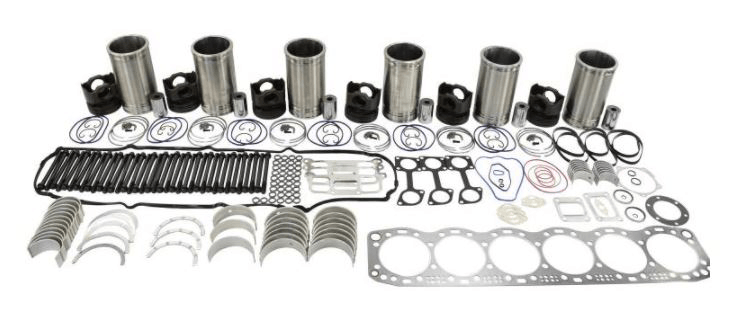
Either way, the kit still needs to be confirmed against the engine's ESN and CPL — genuine doesn't automatically mean it fits. Even genuine kit contents can differ across configurations of the same model.
Common Cummins Engine Models Requiring Overhaul Kits
Overhaul kits cover a wide range of Cummins engine series, commonly including:
- 6BT / 6BTA / 6BTAA, QSB6.7, QSC8.3, QSL, QSM11
- M11 / ISM, NT855 / NTA855, N14
- KTA19, KTA38, KTA50
- QSK19, QSK38, QSK50, QSK60
These engines are widely used across construction machinery, mining equipment, power generation, industrial power, marine applications, and oilfield equipment. As with the genuine-vs-aftermarket question above, displacement is a rough indicator here too — but it's still just a starting point.
Worth emphasizing: the model list above is a starting reference only — the actual overhaul kit configuration still needs to be confirmed against the engine's ESN, CPL, application, and repair scope.
What to Provide When Ordering an Overhaul Kit
Overhaul kits carry higher matching risk, so try to provide:
- Engine model
- ESN (Engine Serial Number)
- CPL number
- Engine nameplate photo
- Which overhaul level you need — top, in-frame, or complete
- Existing parts list, if available
- Genuine or aftermarket preference
Not sure which overhaul level you need? Send us your engine model, nameplate photo, and symptoms — we'll help point you in the right direction, then confirm and quote from there.
Where Overhaul Kits Are Most Commonly Needed
- Mining equipment — high load, extended continuous operation drives faster wear; planned overhaul schedules often lean toward in-frame or complete to reduce the odds of another shutdown soon
- Power generation — standby power and data center applications typically schedule overhauls well in advance and tend to prefer doing it right the first time
- Construction machinery — excavators, loaders, and similar equipment commonly see either top or in-frame overhauls, depending on actual wear
Who's Buying Overhaul Kits, and What Each Group Should Focus On
- End users — a failed engine that needs to be running again quickly; prioritize the nameplate photo, ESN, CPL, symptom description, and repair scope. If downtime is expensive (mining, gensets), it's worth stocking common overhaul components ahead of time.
- Workshops — repairing engines on behalf of end customers, where accurate matching and lead time matter most; provide a parts list, old part photos, engine details, and the customer's genuine/aftermarket preference.
- Parts traders — typically sourcing common overhaul components, filters, belts, gaskets, and bearings for local resale; focus on model coverage, pricing, and long-term supply stability.
- Mining fleets — with multiple units in operation, it's worth building a stocking plan for common overhaul parts; matching accuracy directly affects fleet uptime.
- Genset operators — reliability and planned maintenance matter most; when choosing an overhaul kit, prioritize genuine parts, lead time, and alignment with the maintenance schedule.
How ZEB Power Supports Overhaul Kit Sourcing
ZEB Power supplies overhaul kits for Cummins, Perkins, and Caterpillar diesel engines, covering top, in-frame, and complete overhaul levels. We can support genuine overhaul kits and high-quality aftermarket alternatives across several common DCEC, CCEC, and XCEC series — specific models and configurations are confirmed against your ESN, CPL, or engine nameplate.
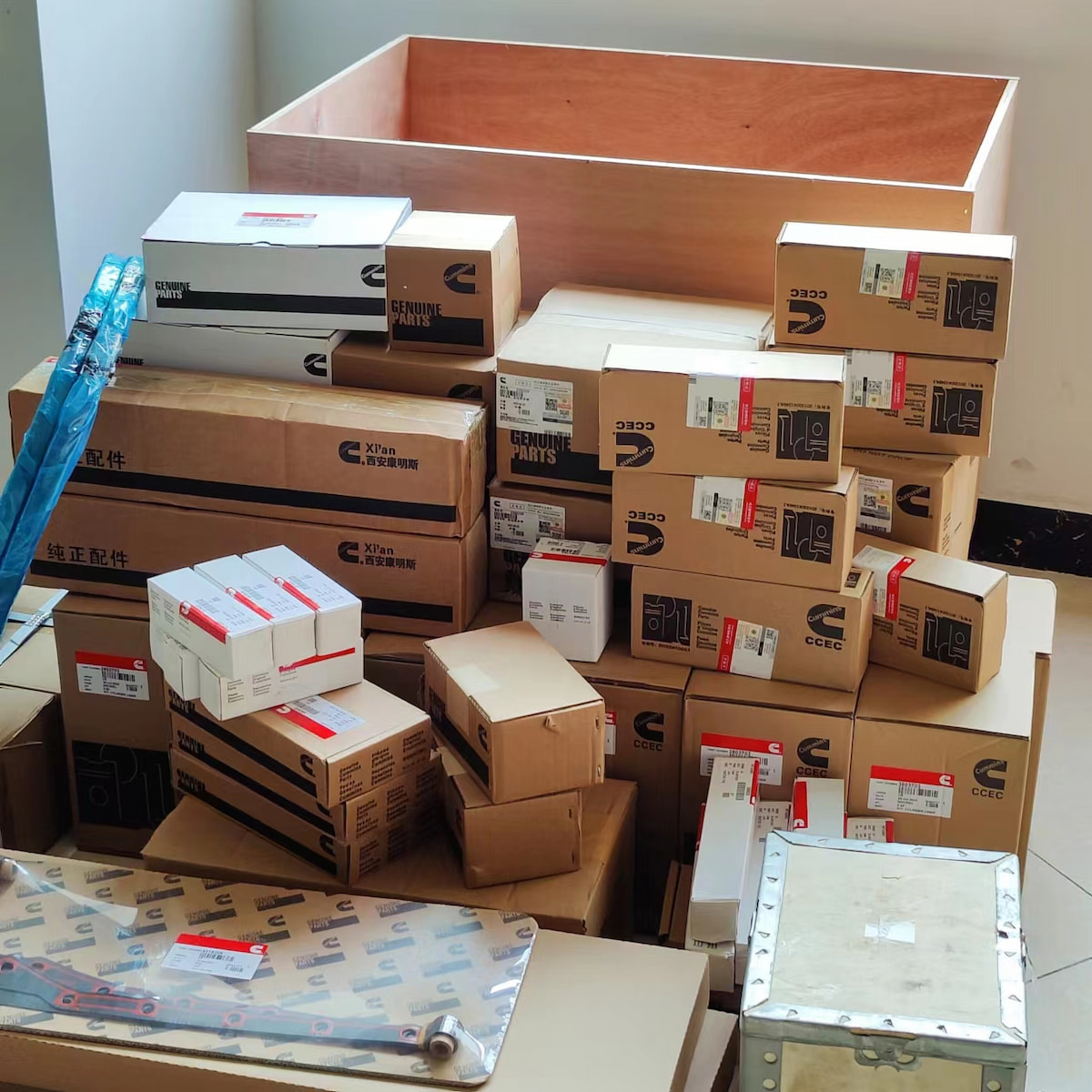
Before quoting, we confirm the specific configuration based on your engine model, ESN, and CPL, and lay out exactly what the overhaul kit includes — so you're not stuck comparing opaque quotes or discovering missing parts after the fact.
Planning a Cummins engine overhaul? Send us your engine details and symptoms, and we'll help confirm the right overhaul level and parts list before quoting.
FAQ
1. Are overhaul kit and rebuild kit the same thing?
In most sourcing contexts, yes — both refer to a set of parts for an engine rebuild. But contents vary by supplier, so it's worth specifying whether you need a top, in-frame, or complete overhaul rather than using "overhaul kit" as a catch-all term.
2. Should I go with a top overhaul or an in-frame overhaul?
If the issue is confined to the cylinder head, valves, or injectors, and compression tests fine, a top overhaul is usually sufficient. If compression is already low or oil consumption is noticeable, an in-frame overhaul is more likely needed. Confirm with proper diagnostics either way.
3. How different is a complete overhaul from an in-frame overhaul?
A complete overhaul builds on the in-frame scope by adding camshaft seals, front and rear crankshaft seals, and a full gasket set — suited to higher-hour engines or applications with tighter reliability requirements.
4. Why do overhaul kit prices vary so much between suppliers?
Most often it's differing contents — some kits cover only the core moving parts, others include a full gasket and seal set — or a difference between genuine and aftermarket parts. Compare line by line rather than by total price alone.
5. What information do you need to quote an overhaul kit?
Engine model, ESN, CPL, a nameplate photo, and which overhaul level you need — that combination gets you an accurate parts list and quote.
6. Can an overhaul kit use high-quality aftermarket parts only?
For mid- and lower-displacement engines, if budget and lead time are the priority, a high-quality aftermarket overhaul kit is a workable option — but it still needs to be confirmed against your engine's specific configuration.
7. If I do a top overhaul now, will I likely need an in-frame overhaul soon after?
Not usually, if the top overhaul was preceded by a compression test or similar confirmation that the core components were sound. But if the decision was made on symptoms alone without testing, there's a real risk of underestimating wear — proper diagnostics before the overhaul reduce that risk.
Summary: Choosing the Right Overhaul Level Matters More Than Price Alone
The real decision in sourcing a Cummins overhaul kit isn't "who's cheapest" — it's whether the repair scope actually matches the engine's real condition. Go too light, and you may be back in the shop sooner than planned. Go too heavy, and you've spent more time and budget than the job needed.
Before ordering a top, in-frame, or complete overhaul kit, confirm the actual degree of wear through proper diagnostics, and provide the engine model, ESN, and CPL — so the kit you receive actually matches what your engine needs.
Not sure which overhaul level applies to your engine, or want a second opinion on whether a supplier's quoted kit contents add up? Send us your engine details, and we'll help you confirm.