

Cummins Engine Parts Supplier: How to Choose a Reliable Parts Partner

3848
Table of Contents
Generating table of contents
Material certification, QC reports, and a track record of consistent supply can tell you whether one batch of parts is trustworthy. Choosing a Cummins parts supplier for the long haul is a different question — it comes down to whether this supplier can keep solving matching, lead time, quality, and after-sales problems for you, month after month, not just this once.
Why "Lowest Quote" Shouldn't Be Your First Filter
Comparing prices as a first step isn't the problem. Using the lowest price as your first filter is — because it screens out a lot of genuinely reliable suppliers before you even get to compare them properly.
Here's why: a supplier that ships consistently, runs real QC checks, and takes the time to confirm ESN/CPL simply costs more to operate than one that's shipping on price alone without verification. Sort by price first, and you're more likely to end up with the suppliers willing to skip verification to hit a number — not the ones actually worth working with.
A better order: shortlist a few reliable candidates first, then compare price and lead time among them — not the other way around.
What a One-Time Vetting Check Doesn't Tell You
Material certs, QC reports, and supply history tell you whether a given shipment is trustworthy. They don't tell you:
- Whether this supplier can cover other engine models you'll need down the road
- How they handle it when something goes wrong — wrong part shipped, doesn't fit
- Whether this supplier is built for one-off transactions, or actually has the scale and systems for consistent long-term supply
- Whether they understand your market's customs and logistics, or just know how to sell parts
Those questions only get answered through the process of talking to them, asking specific ones, or checking their track record — which is what the rest of this article covers.
What a Reliable Supplier Should Actually Be Able to Do
Confirm a part from the part number — not just quote off it
Given an accurate part number, a good supplier should be able to confirm the part name, application range, stock status, and whether a superseded or updated version exists — not just quote a price and move on. They should also flag that a number off an old part isn't always reliable, since a field-removed part may already be an aftermarket replacement itself.
Ask for the ESN, CPL, and nameplate — not just "roughly what model"
A reliable supplier asks for the ESN, CPL, or a nameplate photo at the inquiry stage, rather than only ever asking "roughly what model is it." That difference in attitude doesn't improve on its own once you're working together — it just gets more visible.
Clearly distinguish genuine from aftermarket — never sell one as the other
A supplier should state plainly whether a quote is for genuine parts, high-quality aftermarket, or both options — no vague language that leaves room for misunderstanding, and never passing off aftermarket as genuine.
Explain overhaul kit scope in specifics
Faced with an overhaul kit inquiry, a good supplier proactively clarifies whether it's a top, in-frame, or complete overhaul, and lists exactly what's included — pistons, liners, bearings, gaskets, seals — instead of quoting a flat price under a generic "overhaul kit" label and leaving you to guess at the contents.
Recognize standard, oversized, and special specs
Bearings, pistons, and liners can come in standard, oversized, or special versions. A reliable supplier proactively asks about repair condition or teardown findings, rather than shipping based on engine model alone.
Have real working knowledge of common models and high-frequency parts
A supplier doesn't need stock on hand for every model, but they should show clear command of common series (6BT, QSB6.7, NT855, KTA19, and similar) and high-frequency parts (injectors, filters, bearings, gasket sets) — not blank looks when you ask.
How a Supplier Handles Your First Inquiry Is a Signal in Itself
How a supplier responds to your first inquiry often tells you more than anything they'll say about being "professional." Worth noticing:
- Do they quote immediately, or ask for the ESN, CPL, or a nameplate photo first? The former suggests they sell by name; the latter suggests they actually think about matching.
- Can they explain why, rather than just saying "it's universal"? A serious supplier explains the fitment logic when asked; a less serious one waves it off with "don't worry, it'll work."
- Response speed and how specific the reply actually is — how long it takes them to reply, and whether the reply actually addresses what you asked, is a decent preview of what an urgent order will feel like later.
How They Handle It When Something Goes Wrong
No supplier gets it right 100% of the time. What actually separates good ones from bad ones is what happens after a mistake. Worth getting clear on upfront:
- What's the return/replacement process if the wrong part ships, or a part is missing — and who covers the shipping cost
- On a bulk order where only some items don't fit, can you get a partial return instead of restarting the whole process
- Will they own a mismatch caused by their own verification gap, or is it always "you didn't give us enough information"
Better to get these answers before you're committed to working together, not after something's already gone wrong.
Export and Logistics Experience for Overseas Buyers
For overseas buyers, whether a supplier genuinely has export experience directly affects how smoothly and quickly parts actually arrive. Worth confirming:
- Familiarity with your market's customs process and typical documentation requirements
- A stable international logistics setup, versus scrambling for a freight forwarder every time
- A track record of handling customs issues or shipping delays, versus being caught off guard the first time something goes wrong
This matters especially for mining and genset operators where downtime is expensive — a perfectly good part stuck in customs still costs you real time.
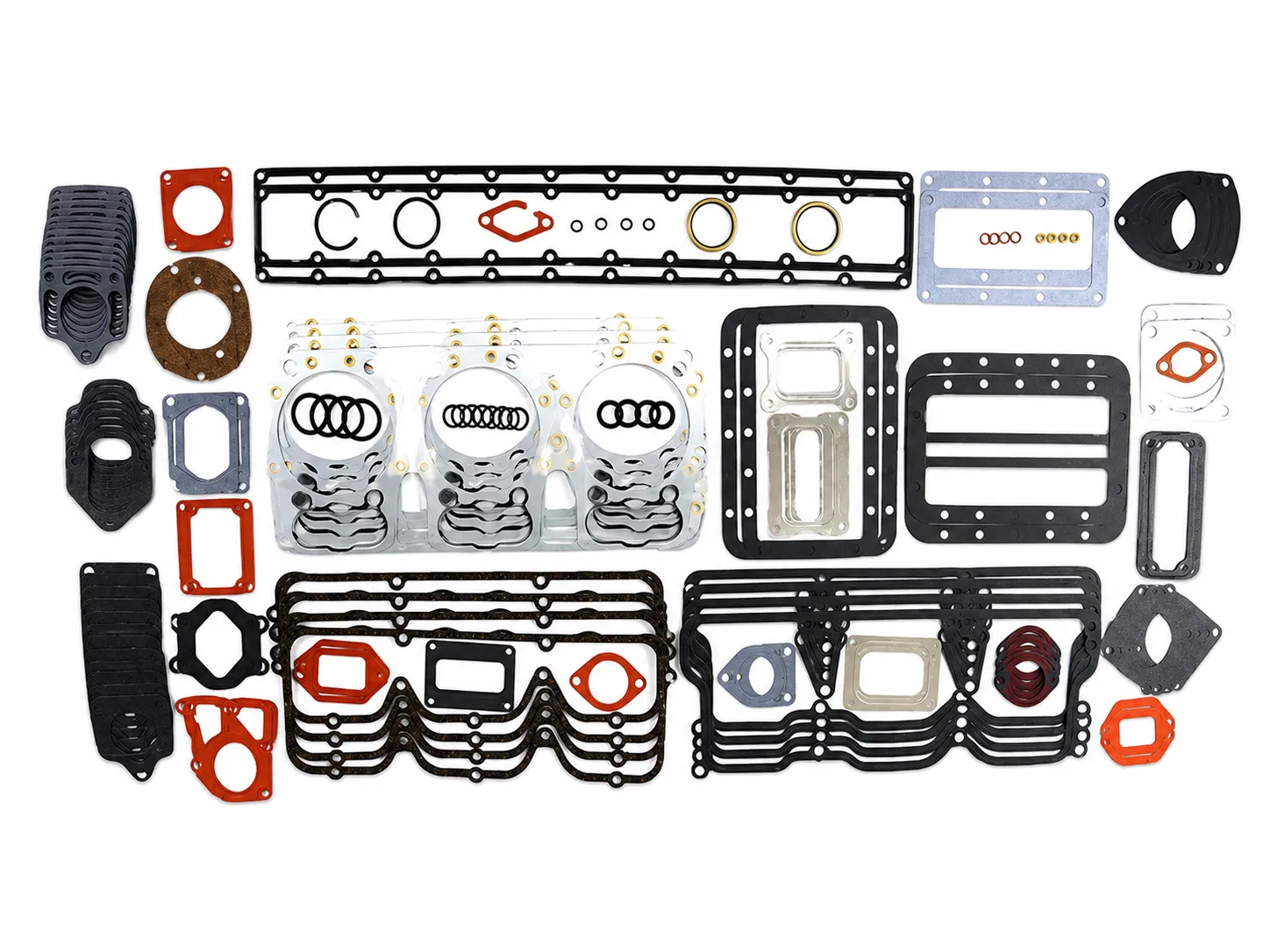
Genuine + Aftermarket: One Supplier, Two Options
In many cases, the more realistic approach is mixing by risk level — genuine for critical parts, aftermarket for consumables. That means a good long-term partner should ideally offer both lines, not just one.
A supplier that only does aftermarket can't respond when a project explicitly calls for genuine. One that only does genuine loses flexibility on budget-sensitive routine repairs. A supplier with real capability on both fronts can adjust to what you actually need each time, instead of forcing you to juggle two different suppliers for two different situations.
How to Compare Quotes From Different Suppliers
Don't compare on total price alone — a big gap between two quotes is usually about differing scope or sourcing, not just one being pricier. Check line by line:
| Comparison Point | What to Confirm |
|---|---|
| Part sourcing | Genuine, aftermarket, or a mixed approach |
| Parts list | Is every specific item listed? |
| Matching basis | Was it confirmed against ESN/CPL/part number/nameplate? |
| Quantity | Is each line item's quantity complete? |
| Spec | Is standard/oversized/special version noted? |
| Lead time | Real stock on hand, or does it need sourcing? |
| QC documentation | Can they provide material, test, or batch info? |
| After-sales support | What happens if a part doesn't fit? |
| Quote scope | Does it include packaging, shipping, taxes? |
If two quotes look very different, the first step is checking whether the scope is actually the same — not deciding who's more or less expensive.
Red Flags to Watch For
Building on everything above, a few signals are worth taking seriously:
- Everything gets called "universal," with no ESN, CPL, part number, or application check
- Vague or evasive answers on material certification or QC reports
- A flat price for an overhaul kit with no itemized contents
- Reluctance to check a nameplate or old part photo you offer — just "don't worry, it'll work"
- A quote noticeably below market with no explanation of whether it's genuine, aftermarket, surplus stock, or clearance inventory
- Casual lead-time promises — a delivery date given without checking actual stock or sourcing time. Answering "yes, no problem" just to land the order tends to surface as a real problem later, right when you're relying on it most
- No clear return/replacement process, or every issue gets pinned on the customer
One or two of these showing up isn't automatically disqualifying — but several at once is a good reason to think twice about a long-term relationship.
Supplier Scorecard: Quick Reference
A condensed version of everything above, useful for scoring multiple suppliers side by side:
| Criteria | What a Good Supplier Looks Like | Red Flag |
|---|---|---|
| Matching capability | Proactively confirms ESN/CPL/nameplate | Quotes directly off the model name |
| Product sourcing | Clearly distinguishes genuine from aftermarket | Vague on sourcing |
| Quote detail | Fully itemized | Flat total price only |
| Overhaul kit capability | Can explain top/in-frame/complete | Just says "overhaul kit" |
| After-sales process | Clear return/replacement process | Pushes problems back on the customer |
| Export experience | Familiar with documentation, customs, logistics | Scrambles for a freight forwarder every time |
| Long-term support | Covers common models and high-frequency parts | Only handles one-off orders |
Questions to Ask Before You Commit to a Supplier
Ask these directly the first time you contact a supplier — how specific the answers are tells you a lot on its own:
- Which Cummins series and models do you cover? What about [a model you actually use]?
- When a part's identity isn't clear, what information do you typically need from the customer?
- Can you offer both genuine and high-quality aftermarket options?
- If a part arrives wrong or doesn't fit, what's your process?
- Are you familiar with customs and logistics for our market [name your country/region]? Have you handled it before?
- Which customers or markets have you worked with long-term?
Send this list to a few suppliers you're evaluating — the level of detail in their answers is a solid basis for comparison on its own.
ZEB Power: A Long-Term Partner With 15+ Years of Export Experience
Founded in 2008, ZEB Power specializes in exporting Cummins, Perkins, and Caterpillar diesel engines and parts, with more than 15 years in the industry. Our products support a wide range of equipment — mining trucks, excavators, dozers, loaders, and diesel gensets — across mining, construction, power generation, oil & gas, and data center backup generator applications.
ZEB Power maintains long-term sourcing relationships with authorized channels, OEM-related supply sources, and qualified aftermarket manufacturers, allowing us to offer genuine parts or high-quality aftermarket alternatives based on your application, budget, and delivery requirements. Over a decade of international logistics experience also lets us offer reliable, cost-effective shipping for customers worldwide.
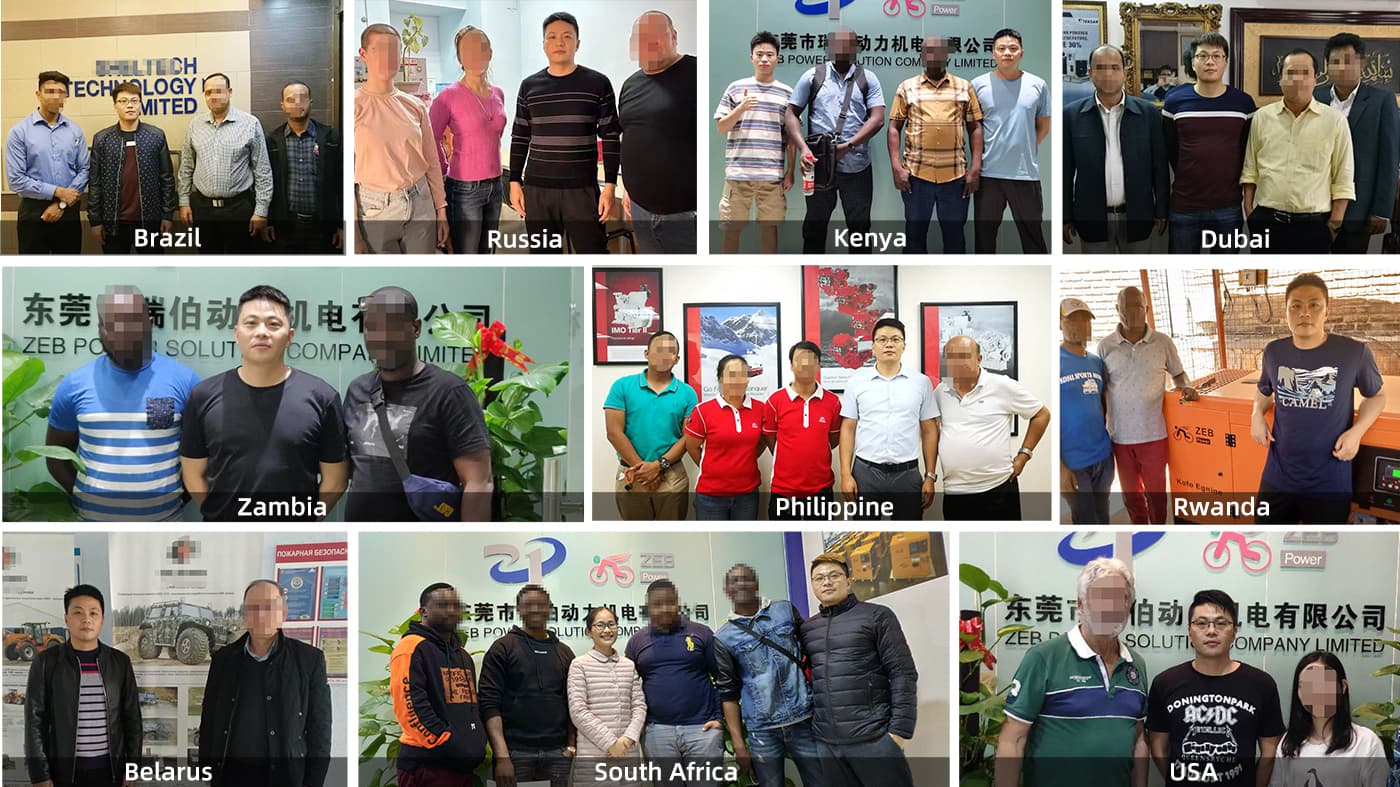
For parts we've confirmed and supplied, we provide clear quality traceability and after-sales support — the goal is reducing risk and saving time and cost for our customers, not just closing a single transaction. We've supported customers and partners across CIS markets (Russia, Kazakhstan), Southeast Asia (Vietnam, Myanmar, Philippines, Malaysia, Indonesia), Africa (Mali, Rwanda, South Africa), and the Americas (Chile, Argentina, Peru).
Looking for Regional Supply or Distribution Cooperation?
If your market doesn't have a stable Cummins parts supply channel yet, or you're a workshop or trader looking to expand into parts, we're open to talking about long-term cooperation. We've supported customers and partners in markets including the Philippines, Fiji, Rwanda, Ecuador, and the United States.
Tell us about your market and your business, and we'll follow up directly.
FAQ
1. How can I tell if a supplier is built for the long term versus a one-off deal?
Look at how they handle a first inquiry (do they verify information?), whether they're willing to explain their return/replacement process, and whether they have a verifiable track record. Vague answers or a rush to close usually signal the latter.
2. Is the cheapest supplier automatically the riskiest?
Not necessarily — but a quote noticeably below market that skips ESN/CPL verification and won't provide QC documentation is a real risk. Shortlist reliable candidates first, then compare price.
3. Can I work long-term with a supplier that only does aftermarket?
You can, but if you might need genuine parts down the line — a contract that requires it, for instance — that supplier can't cover the full range of what you'll need. Worth confirming upfront whether they have a genuine parts channel too.
4. How do I judge a supplier's export experience before committing?
Ask directly whether they're familiar with your market's customs process and documentation, and whether they have a track record there. Vague answers or no relevant experience usually means a higher chance of friction in practice.
5. What's the fastest way to compare quotes from multiple suppliers?
Use the same set of comparison points — sourcing, itemized list, matching basis, spec, lead time, QC documentation, after-sales support, quote scope — and compare how specific each answer is, rather than just comparing totals.
6. What does regional supply or distribution cooperation require?
It varies by market — reach out with details on your market and business, and we'll work through it with you directly.
Summary: Choosing a Supplier Is Really Choosing a Relationship
Choosing a Cummins parts supplier shouldn't come down to who quoted the lowest price this time. It comes down to whether this supplier can keep supporting you consistently — covering the models you need, verifying information properly, offering genuine and aftermarket flexibly, having a clear process when something goes wrong, and actually understanding logistics and customs for your market.
Those factors tend to shape whether your next few years of sourcing are smooth or a constant headache — far more than any single quote does.
Looking for a Cummins parts partner you can work with long-term? Or interested in regional supply or distribution cooperation? Send us your needs and your market, and we'll follow up directly.