

Cummins Engine Parts Price: What Affects Cost & Lead Time

6799
Table of Contents
Generating table of contents
Ask three suppliers to quote the same part number — or what looks like the same part — and price and lead time can both come back noticeably different. That doesn't mean one of them is ripping you off, and it doesn't mean the fastest or cheapest quote is automatically the most reliable one. Price and lead time come out of a whole set of variables — sourcing, packaging, stock status, shipping scope — and understanding how those work together is more useful than comparing a single total.
One thing upfront: this article won't give specific price ranges or delivery timeframes. That's not us dodging the question — those numbers shift with time, supplier, and market conditions, and pinning down a fixed figure here would be more misleading than helpful, and could easily get mistaken for a quote commitment. The goal here is understanding what pushes price and lead time up or down. The actual numbers still need to come from an inquiry specific to what you need.
Why the Same Part Number Can Get Very Different Quotes
A few common reasons:
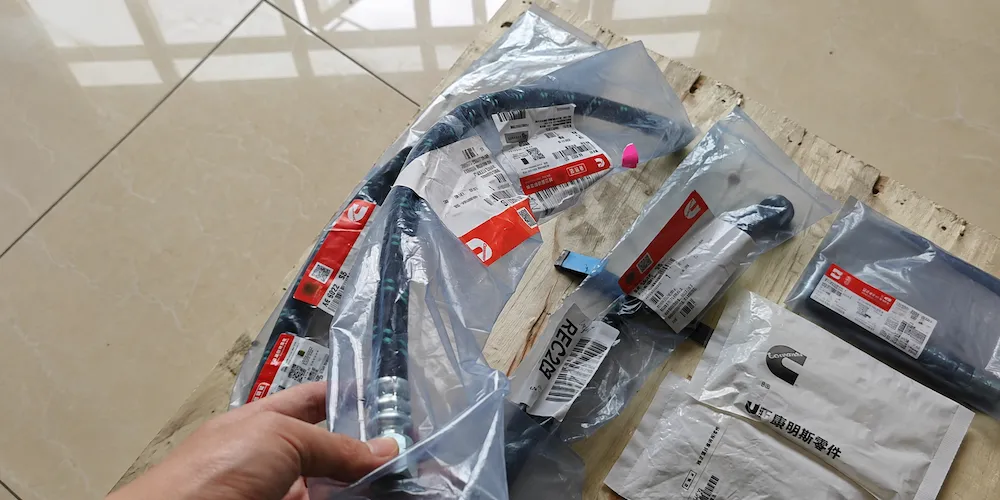
- Different sourcing — genuine and high-quality aftermarket parts have fundamentally different cost structures; this is usually the single biggest variable
- Whether the supplier actually verified fitment — a supplier that checks the ESN/CPL, confirms the parts list, and verifies the exact version puts real time into that process. It doesn't change the cost of the part itself, but it does affect quote accuracy, after-sales accountability, and overall service cost
- Whether the quote covers a complete list — especially for overhaul kits, a "cheap but vague" quote and a "reasonable but complete" quote often aren't actually pricing the same thing
- Stock status — in-stock and sourced-to-order items differ in both price and lead time
- Quote scope — some quotes are part price only; others already include packaging, shipping, and related fees. Comparing raw totals across the two is misleading
Worth confirming these points before comparing prices — it matters more than the total number itself.
What Actually Drives Price
Part Category and Matching Complexity
Price volatility varies a lot by part category — worth knowing the general pattern before judging whether a quote seems reasonable:
| Part Category | Price Volatility | Main Reason |
|---|---|---|
| Filters, belts, clamps, hoses | Low | Highly standardized, mature supply chain |
| Water pumps, starter motors, alternators | Medium | Brand, sourcing, model, and stock matter more |
| Injectors, fuel pumps, turbochargers | High | Precision-critical, genuine/aftermarket gap is significant |
| Pistons, liners, bearings, thrust washers | High | Spec, material, version, and matching risk all play in |
| Gasket sets, seals, overhaul small parts | Medium-high | Kit scope and engine configuration matter |
| Overhaul kits | Highest | Kit content, repair scope, and genuine/aftermarket mix vary widely |
Price gaps on filters and belts are usually easy to explain. For injectors, pistons, bearings, and overhaul kits, the gap is more often about sourcing, materials, precision, kit scope, and how carefully fitment was confirmed — which is exactly why overhaul kit pricing deserves its own deeper look (see below).
Genuine vs. Aftermarket
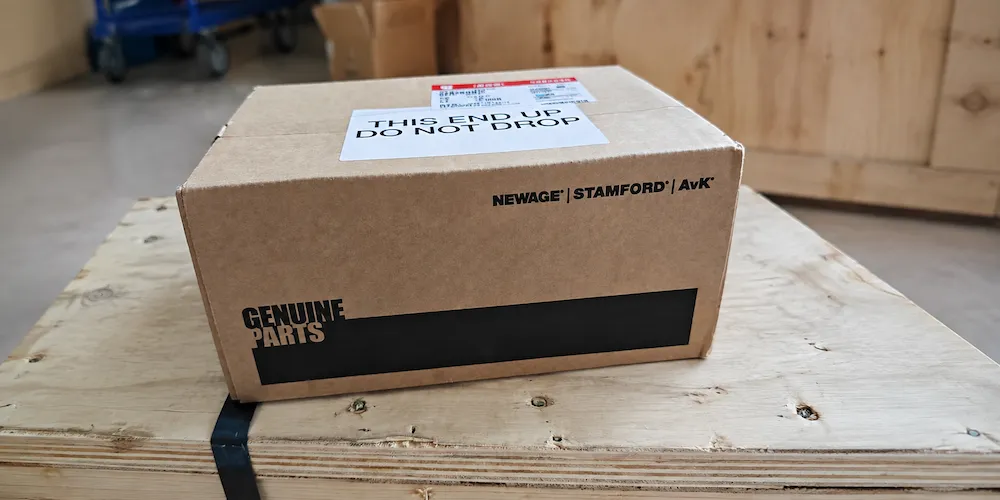
Genuine parts typically come through official or authorized supply channels, which puts them in a different position than aftermarket on traceability, project acceptance, and supply chain cost — and usually means a higher price. Aftermarket parts, when produced at scale by an established manufacturer, tend to show a real price advantage. Which one actually makes sense still depends on the part category and application.
Engine Series and How Common the Model Is
Common series (6BT, QSB6.7, for example) have a large installed base and a mature parts supply chain, keeping pricing relatively competitive. Older models or niche high-output engines may require special sourcing or small-batch production, which usually pushes price up.
Order Quantity
Per-unit pricing differs between a single order and a bulk order — bulk orders spread out production, packaging, and shipping costs. That's why mining fleets and workshops that order regularly in volume tend to get more competitive pricing than one-off, sporadic purchases.
Shipping Method and Destination
Air freight is fast but expensive; sea freight is slow but cheaper — the choice directly affects total landed cost. Customs complexity and local duty policy at the destination also factor into the final cost, and this part is easy to miss if you're only looking at part price.
Why Overhaul Kit Prices Vary So Much
Of everything in the Cummins parts catalog, overhaul kits see the widest quote variance — for a simple reason: different suppliers can mean completely different things by "overhaul kit."
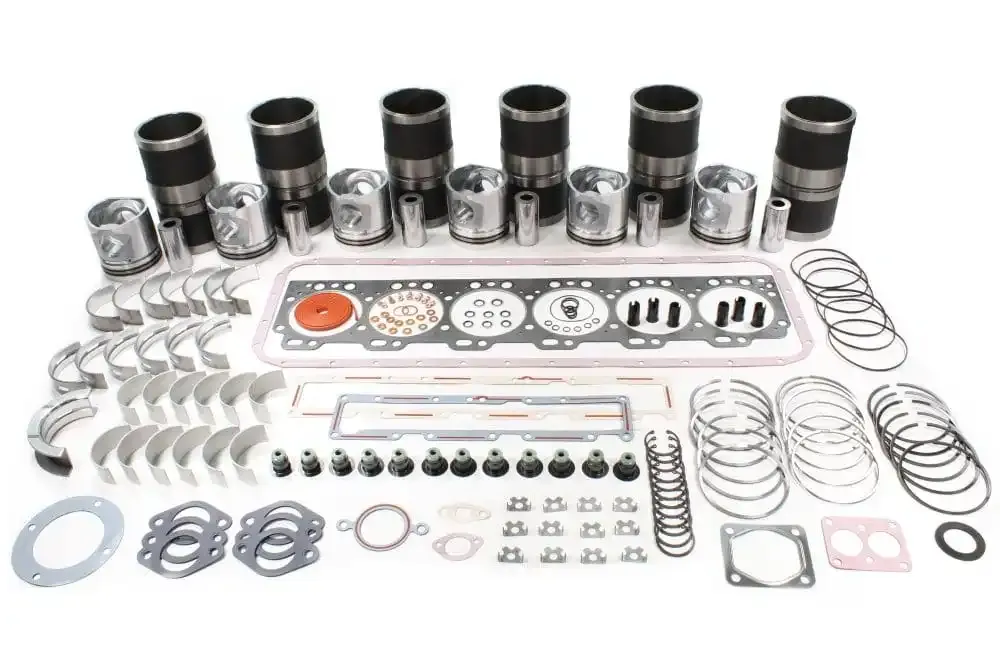
Two quotes for a "KTA19 in-frame overhaul kit" can cover entirely different scope — one might include only the core moving parts (pistons, liners, bearings), while another also throws in gaskets, seals, and O-rings. One might be genuine, another aftermarket, another a mix of both. Compare totals without checking the parts list, and you risk putting a stripped-down kit side by side with a complete one.
When comparing overhaul kit quotes, check line by line:
- Is it a top, in-frame, or complete overhaul
- Does it include pistons, piston rings, pins, and liners
- Does it include main bearings, rod bearings, and thrust washers
- Does it include a gasket set
- Does it include front and rear crankshaft seals
- Does it include other seals and small components
- Genuine or aftermarket
- Was it confirmed against the ESN/CPL
An opaque parts list is the easiest trap to fall into when comparing overhaul kit prices — a gap between two numbers is often less about who's more expensive, and more about the fact that they're not quoting the same thing at all.
What Actually Drives Lead Time
In Stock vs. Sourced to Order
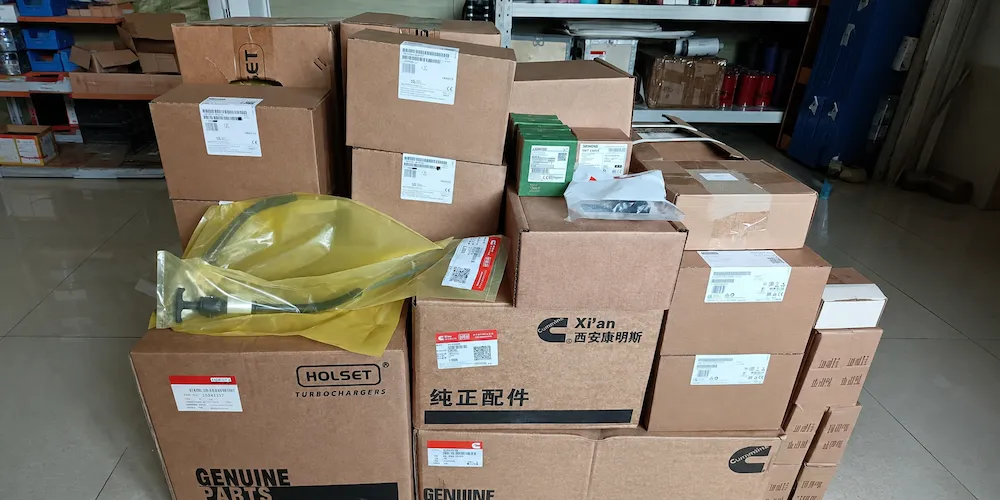
This is the most direct factor. If the supplier or their upstream channel has stock, lead time is usually confirmed quickly. If it needs to be sourced from the OEM, a distributor channel, or another region, lead time stretches out considerably — especially for cross-border sourcing.
Cross-Border Sourcing for Genuine Parts
Some genuine parts, if they involve cross-border supply chain sourcing, can see longer lead times due to OEM production scheduling or international shipping arrangements. This doesn't mean genuine parts are always slower — but it's a variable worth understanding upfront, especially for situations where downtime cost is high and waiting isn't really an option.
Customs Clearance
How complex customs clearance is depends on destination country policy, documentation requirements, and whether the supplier is actually familiar with the export process for that market. This is exactly why a supplier's export experience in your target market affects delivery speed directly — not just price.
Order Complexity
A single-part order typically moves faster. A multi-category order (injectors, gasket sets, filters, belts, all in one shipment) takes more time to coordinate and pack — especially when some items are in stock and others need sourcing, since suppliers usually wait for everything to be ready before shipping as one consolidated order.
Costs That Are Easy to Overlook
When comparing quotes, part price is often just one piece of the total. Costs that tend to get missed:
- Shipping — air freight in particular can account for a significant share of total order cost
- Duties and import-related taxes — these vary a lot by destination country policy; worth understanding upfront rather than discovering it on arrival
- Packaging — overhaul kits and delicate precision parts usually need protective packaging. Some suppliers itemize this separately; others fold it into the total — worth confirming when comparing quotes
Ask directly whether a quote includes packaging and international shipping, and whether destination country duties or import taxes are involved. If it's a DDP quote, confirm separately whether duties and clearance fees are already included — most export quotes don't include destination-country duties by default unless it's explicitly DDP.
Why the Lowest Quote Isn't Always the Lowest Cost
A low price is naturally appealing, but the real cost of sourcing a part is never just the part price. Hidden costs that tend to get overlooked:
- Repair downtime — waiting for sourcing or confirmation means every extra day the equipment sits idle is a real loss
- Rework from a mismatch — wrong spec, doesn't fit, and you're redoing the labor and time
- A second purchase from a missing part — if an overhaul kit's contents turn out incomplete mid-installation, the time cost of a second order usually outweighs whatever was saved on price
- Shorter service life from low-quality parts — a cheap part from an unclear source might fit today, but reduced durability means facing the next replacement sooner
- Downtime loss from an inaccurate lead time — a delivery date given casually at quote time, if it doesn't hold, hits hardest for mining and genset operators where downtime is expensive
- After-sales cost and lost trust — a supplier that stalls or deflects after something goes wrong costs real time and effort, which is a cost in itself
A quote noticeably below market, with no ESN/CPL confirmation, an incomplete parts list, and unclear sourcing, can easily end up costing more in rework and waiting than whatever was saved upfront. What's actually worth comparing isn't who has the smallest number — it's whether the information is clear, the parts list is complete, the sourcing is transparent, and the lead time is realistic.
How to Compare Quotes Side by Side
When comparing multiple quotes, check line by line rather than by total alone:
| Comparison Point | What to Confirm |
|---|---|
| Part sourcing | Genuine, aftermarket, or a mixed approach? |
| Matching basis | Confirmed against part number, ESN, CPL, or nameplate? |
| Parts list | Is every specific item listed? Especially for overhaul kits |
| Unit basis | Does the price cover 1 piece, 1 set, or a full kit? |
| Stock status | In stock, sourced to order, or an estimated lead time? |
| Quote scope | Does it include packaging, shipping, customs-related fees? |
| After-sales handling | What happens if a part doesn't fit? |
When two quotes look far apart, use this table first to check whether they're actually pricing the same scope — that's usually more useful than jumping straight to "who's more expensive."
The Vaguer the Information, the More the Quote Will Move
If all you give a supplier is "KTA19 overhaul kit" or "6BT injector," they can really only offer a rough estimate. Providing the part number, ESN, CPL, quantity, destination, and genuine/aftermarket preference gets the quote and lead time much closer to what you'll actually pay and wait. That's usually why there's a gap between an initial ballpark and a final quote — not suppliers inflating the price, but the original information simply not being enough to support an accurate number.
How to Get an Accurate Quote and Timeline Fast
Getting an accurate quote and lead time really comes down to how complete your information is. Use this format and you can send it as-is:
Cummins Parts Inquiry Format:
- Engine Model:
- ESN / CPL:
- Part Number (if known):
- Part Name:
- Quantity:
- Genuine or Aftermarket:
- Destination Country:
- Required Delivery Time:
For an overhaul kit inquiry, add:
- Overhaul Type: Top / In-Frame / Complete
- Repair Scope:
- Running Hours:
- Fault Description:
If you don't have the ESN or CPL yet, that's fine — send over an engine nameplate photo, an old part photo, or an existing parts list, and we'll help confirm the rest. The more complete the information, the more likely you get an accurate quote and timeline on the first pass, instead of a rough range that keeps shifting.
Setting Realistic Expectations by Order Type
Different order types have different amounts of "room to move" on price and lead time — worth knowing directionally as you plan:
- A single routine part (filter, belt) — pricing is relatively transparent, and lead time is usually fast if it's in stock
- A single high-matching-risk part (injector, piston, liner) — both price and lead time can shift depending on ESN/CPL confirmation and stock availability
- Overhaul kits — because multiple categories are bundled together, price and lead time have more room to vary, and depend heavily on how complete the information you provide is
- Bulk stocking orders — unit price is usually more competitive, but overall order processing and logistics coordination can take longer than a single sporadic purchase
For your specific situation, price and lead time still need a targeted inquiry to confirm — send us what you need and we'll get back to you quickly with an accurate answer.
How ZEB Power Helps You Plan Cost and Timeline
ZEB Power confirms the specific parts based on your engine model, ESN, and CPL before quoting — so you're not dealing with a vague initial number that keeps climbing later. Our quotes clearly state whether shipping, packaging, and related fees are included. For orders that need sourcing or combine multiple part categories, we confirm stock and upstream supply status first, then give you a lead time — rather than promising an unrealistic delivery date just to close the order.
For mining and genset operators planning around a maintenance window, we can also help confirm price and lead time ahead of time based on your maintenance schedule, so you can plan the shutdown accordingly.
Want to know the price and lead time for a specific part? Send us the engine model, ESN/CPL, quantity, and destination, and we'll get back to you quickly with an accurate answer.
FAQ
1. Why do different suppliers quote such different prices for the same part number?
Usually differences in sourcing (genuine vs. aftermarket), whether fitment was verified, whether shipping and packaging are included in the quote, and stock status. Confirm the parts list and quote scope match before comparing prices.
2. Why does overhaul kit pricing vary more than a single part?
Because an overhaul kit bundles multiple parts together, and differences in scope — a full gasket set included or not, confirmed against ESN/CPL or not — get amplified in the price. Check the parts list line by line rather than comparing totals.
3. Are genuine parts always slower to deliver than aftermarket?
Not always, but some genuine parts involving cross-border sourcing can see longer lead times tied to OEM production scheduling. Worth confirming directly at inquiry time whether stock is actually on hand.
4. Is bulk purchasing always more cost-effective?
Unit price is usually better, but overall order processing and logistics coordination can take longer — it depends on how urgent your actual need is.
5. What costs should be included in a quote?
Confirm directly whether the quote includes shipping and packaging, and whether destination-country duties or import taxes apply. Most export quotes don't include import duties by default unless it's explicitly DDP. Don't judge total cost from part price alone.
6. What's the fastest way to get an accurate quote?
Provide a complete engine model, ESN, CPL, quantity, genuine/aftermarket preference, and destination. That lets a supplier give you an accurate quote and lead time in one pass, instead of several rounds of back-and-forth.
7. Why isn't the lowest quote always the best deal?
If a low price comes with an incomplete parts list, unclear sourcing, wrong spec, or an unrealistic lead time, the resulting rework, second orders, and extended downtime can end up costing more than what was saved upfront.
Summary: Understanding What Drives Price and Lead Time Beats Comparing Totals
Cummins parts pricing and lead time are never an isolated number — they come out of part category, sourcing, engine series, quantity, shipping method, and customs conditions working together. When comparing quotes, it's more useful to understand what each number actually covers, whether fitment was verified, and whether the lead time is based on real stock or a rough estimate, than to just compare who's cheaper.
Ready to get a quote? Send us the engine model, ESN/CPL, quantity, and destination, and we'll get back to you quickly with an accurate price and lead time.