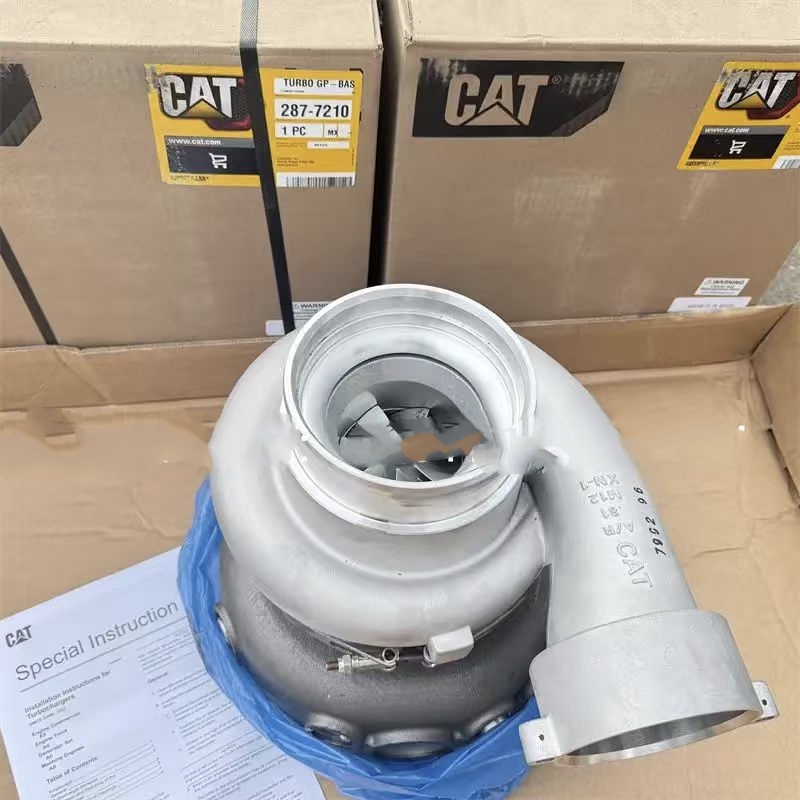

Complete Troubleshooting and Repair Guide for Caterpillar C32 Engine Turbocharger Failures

6031
Table of Contents
Generating table of contents
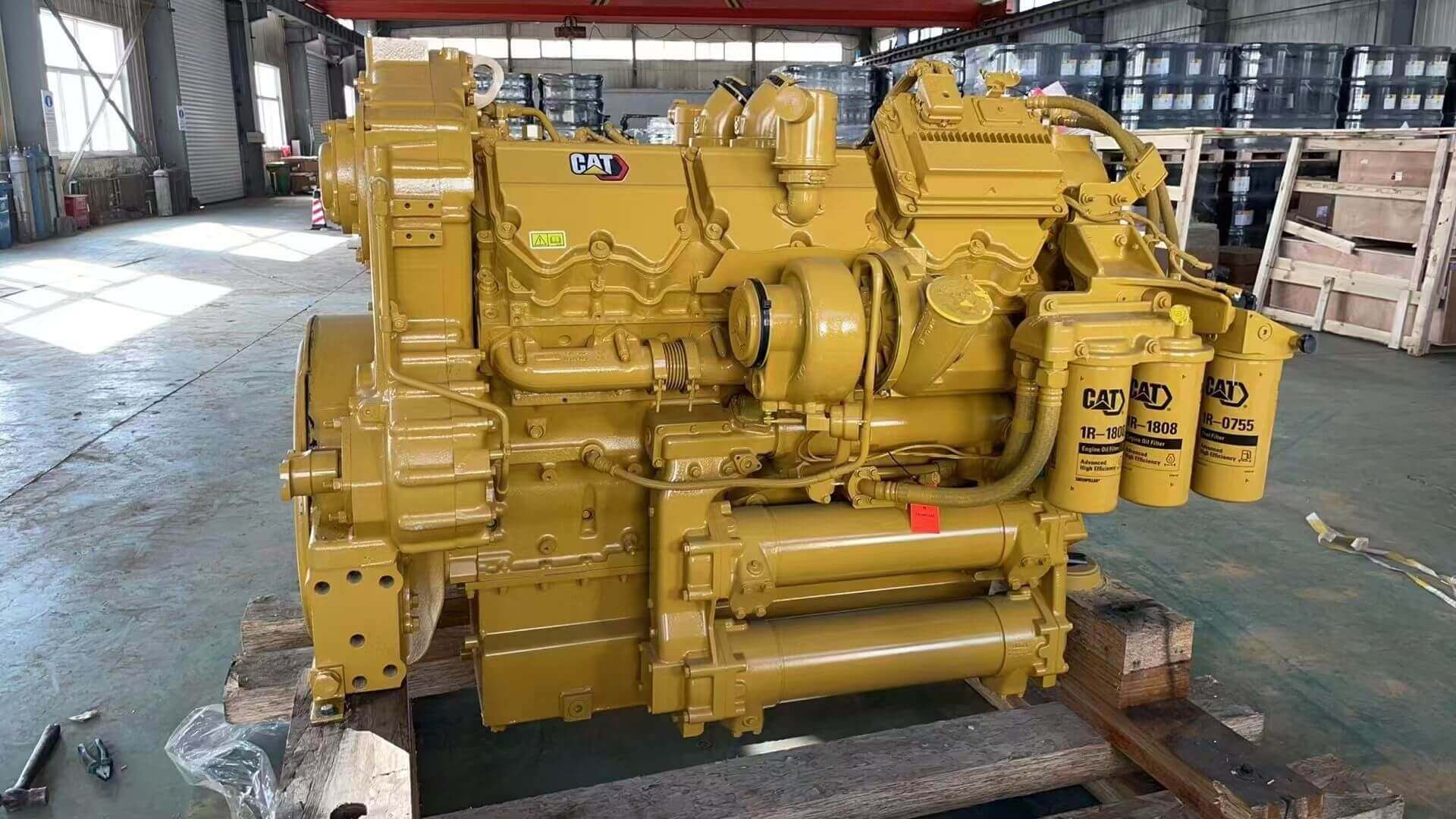
Caterpillar C32 Turbocharger Troubleshooting and Repair Guide
The turbocharger is one of the most important components of the Caterpillar C32 engine. It helps improve air intake pressure, combustion efficiency, engine torque and overall power output, especially in mining equipment, generator sets, marine power systems and heavy-duty industrial applications.
When a CAT C32 turbocharger fails, the engine may suffer from slow acceleration, low boost pressure, abnormal noise, overheating, oil leakage or reduced fuel efficiency. This guide explains common Caterpillar C32 turbocharger failure symptoms, possible causes, inspection methods and repair solutions to help maintenance teams identify problems faster and reduce equipment downtime.
Why the Turbocharger Matters for a Caterpillar C32 Engine
The turbocharger uses exhaust gas energy to drive the turbine wheel and compress intake air before it enters the engine cylinders. With more compressed air available for combustion, the Caterpillar C32 engine can deliver stronger power output, better load response and improved fuel utilization under heavy-duty operating conditions.
For mining trucks, large generator sets and industrial equipment, stable turbocharger performance is essential because these machines often operate under high load, high temperature, dusty air intake conditions and long working hours.
| Turbocharger Function | Impact on C32 Engine Performance |
|---|---|
| Increases intake air pressure | Supports stronger combustion and higher engine output |
| Improves air-fuel mixture efficiency | Helps reduce smoke, power loss and poor acceleration |
| Supports heavy-load operation | Improves performance in mining, genset and industrial applications |
| Works with aftercooler and air intake system | Helps control combustion temperature and engine thermal stability |
Common Caterpillar C32 Turbocharger Failure Symptoms
Most CAT C32 turbocharger problems can be identified through changes in engine response, exhaust condition, oil consumption, noise or operating temperature. Early inspection can help prevent secondary engine damage.
| Failure Symptom | Possible Cause | Recommended Inspection |
|---|---|---|
| Slow engine acceleration | Worn turbocharger, intake air leak, poor oil or fuel quality | Check boost pressure, compressor wheel, intake pipes and filters |
| Abnormal noise or vibration | Worn bearings, rotor imbalance or damaged blades | Check shaft play, rotor condition and housing contact marks |
| Engine overheating | Restricted air intake, dirty aftercooler or cooling system issue | Inspect air filter, aftercooler, coolant level, radiator and water pump |
| Turbocharger oil leak | Blocked oil return line, damaged seals or worn rotor shaft | Check oil return pipe, seal condition and shaft wear |
1. Slow Engine Acceleration or Low Boost Pressure
Slow acceleration is one of the most common signs of Caterpillar C32 turbocharger performance loss. When boost pressure is too low, the engine cannot receive enough compressed air for efficient combustion, resulting in weak response under load.
Common Causes
- Worn turbine wheel or compressor wheel reducing boost efficiency
- Worn center housing bearings increasing rotor friction
- Cracked or loose intake air pipes after the compressor outlet
- Air leakage from clamps, hoses or intercooler connections
- Poor-quality oil causing internal wear or blocked lubrication passages
- Poor fuel quality reducing exhaust energy available to drive the turbine
Inspection and Repair Methods
- Check turbocharger shaft play and look for excessive radial or axial movement
- Inspect compressor and turbine wheels for wear, cracks or blade damage
- Perform an intake system pressure test to locate air leaks
- Check air filter condition and replace blocked filters
- Use recommended engine oil and replace oil and fuel filters on schedule
- Replace damaged hoses, clamps, seals or the turbocharger cartridge if required
2. Turbocharger Noise and Vibration
Abnormal whistling, grinding, scraping or vibration can indicate turbocharger bearing wear, rotor imbalance or internal contact between rotating parts and the housing. These symptoms should be checked immediately to avoid complete turbocharger failure.
Common Causes
- Excessive bearing clearance causing unstable rotor movement
- Unbalanced rotor caused by blade damage or carbon buildup
- Foreign object damage on compressor or turbine blades
- Seal failure causing air, oil or exhaust leakage
- Loose mounting bolts or damaged exhaust connections
Inspection and Repair Methods
- Check the compressor wheel for signs of housing contact
- Inspect shaft play and bearing condition
- Check turbine and compressor blades for chips, cracks or deformation
- Clean carbon buildup and inspect the rotor assembly
- Remove the turbocharger for professional balancing if vibration is severe
- Replace worn bearings, seals or cartridge assemblies as needed
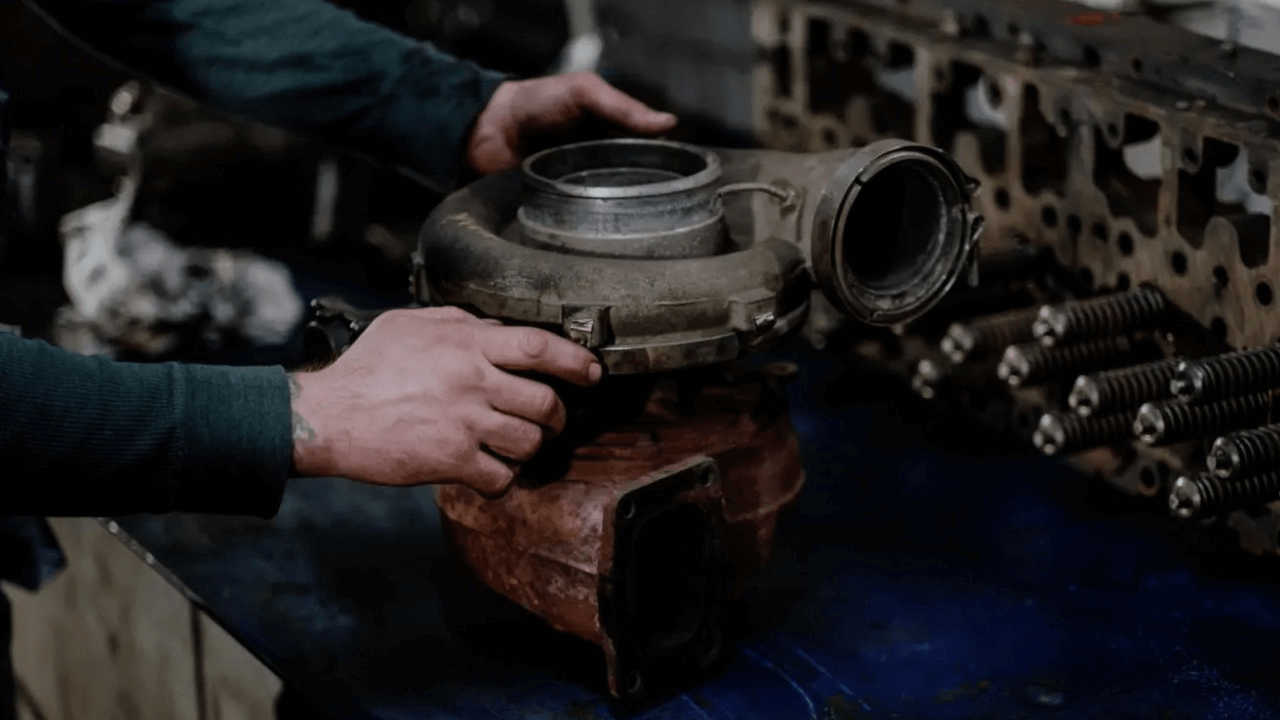
3. Engine Overheating Related to Turbocharger Problems
Engine overheating may not always be caused by the turbocharger itself, but turbocharger restriction, dirty aftercooler cores or insufficient intake airflow can increase combustion temperature and reduce thermal stability.
Common Causes
- Blocked air filter reducing intake airflow
- Dirty compressor side or aftercooler core
- Aftercooler restriction reducing charge-air cooling efficiency
- Low coolant level or coolant leakage
- Faulty water pump, blocked radiator or poor cooling system circulation
Inspection and Repair Methods
- Clean or replace the air filter
- Inspect and clean the turbocharger compressor side
- Clean the aftercooler core and check for airflow restriction
- Check coolant level, radiator condition and coolant leakage
- Verify water pump function and cooling system circulation
- Check engine temperature after repair under normal load condition
4. Caterpillar C32 Turbocharger Oil Leak
Oil leakage is another common turbocharger problem. If oil appears at the compressor outlet, turbine side or external turbocharger housing, the issue should be inspected quickly. Continued operation with turbocharger oil leakage can lead to smoke, oil consumption, bearing damage and further engine problems.
Common Causes
- Clogged or restricted oil return line causing oil backup in the center housing
- Aging, hardened or damaged oil seals
- Worn rotor shaft or excessive shaft clearance
- Incorrect crankcase pressure affecting oil drainage
- Improper installation or damaged sealing surfaces
Inspection and Repair Methods
- Inspect and clean the oil return line first
- Check whether oil drainage is smooth and unrestricted
- Inspect oil seals and replace damaged seals
- Check rotor shaft wear and bearing clearance
- Replace the turbocharger cartridge if shaft wear is excessive
- Confirm correct installation after repair to prevent repeated leakage
Caterpillar C32 Turbocharger Troubleshooting Checklist
For maintenance teams working on CAT C32 engines, a structured inspection process can reduce diagnostic time and help identify the root cause before replacing major components.
| Inspection Step | What to Check | Repair Direction |
|---|---|---|
| Air intake inspection | Air filter, hoses, clamps, aftercooler and intake leaks | Clean, tighten or replace damaged air intake parts |
| Turbocharger visual inspection | Compressor wheel, turbine wheel, housing damage and oil traces | Repair or replace damaged turbocharger components |
| Shaft play inspection | Radial and axial movement of rotor shaft | Replace worn bearings, seals or cartridge assembly |
| Lubrication inspection | Oil supply line, oil return line and oil quality | Clean blocked passages and use recommended engine oil |
| Cooling system inspection | Coolant level, radiator, water pump and aftercooler condition | Restore cooling efficiency before returning engine to full load |
When Should You Replace the C32 Turbocharger?
Some turbocharger problems can be solved by cleaning, seal replacement or oil return line repair. However, if the rotor shaft, compressor wheel, turbine wheel or center housing is severely worn, replacing the cartridge or complete turbocharger assembly is usually the safer choice.
Replacement Is Usually Recommended When:
- The compressor or turbine blades are cracked, broken or heavily worn
- Shaft play exceeds the acceptable service range
- Oil leakage continues after seal and return line repair
- Severe vibration remains after cleaning and inspection
- Boost pressure cannot recover after air leak and filter checks
ZEB POWER Support for Caterpillar C32 Turbocharger Parts
Repairing a Caterpillar C32 turbocharger requires accurate diagnosis, reliable parts and correct installation. ZEB POWER supports customers with turbocharger assemblies, repair kits, seal kits, cartridge components and technical guidance for CAT C32 engines used in mining, power generation and industrial applications.
| Support Area | What ZEB POWER Provides |
|---|---|
| Turbocharger parts supply | C32 turbocharger assemblies, cartridges, seals and repair kits |
| Failure diagnosis support | Help identify symptoms such as oil leakage, low boost, overheating and noise |
| Parts matching | Model checking and part number confirmation for replacement components |
| Export supply | Parts packing and international delivery support for urgent maintenance needs |
Need Caterpillar C32 Turbocharger Diagnostic Support or Repair Parts?
If your CAT C32 engine has low boost pressure, slow acceleration, abnormal turbocharger noise, overheating or oil leakage, ZEB POWER can help check the fault symptoms and recommend suitable turbocharger repair parts.
Contact our team for Caterpillar C32 turbocharger diagnostic support and parts quotation