

Caterpillar Parts Lookup Guide | Model & Serial Aren't Enough

9964
Table of Contents
Generating table of contents
A buyer may send an enquiry that says:
“I need a water pump for a CAT 3406 engine.”
That sounds specific because it includes both the engine model and the required component. In many cases, however, it is still not enough to confirm the final part number.
The same base engine model may have been produced in multiple configurations for different applications, emissions requirements, accessory layouts and production periods. The “model” or “number” provided by the buyer may also come from several different sources, each referring to a different level of the machine or engine configuration.
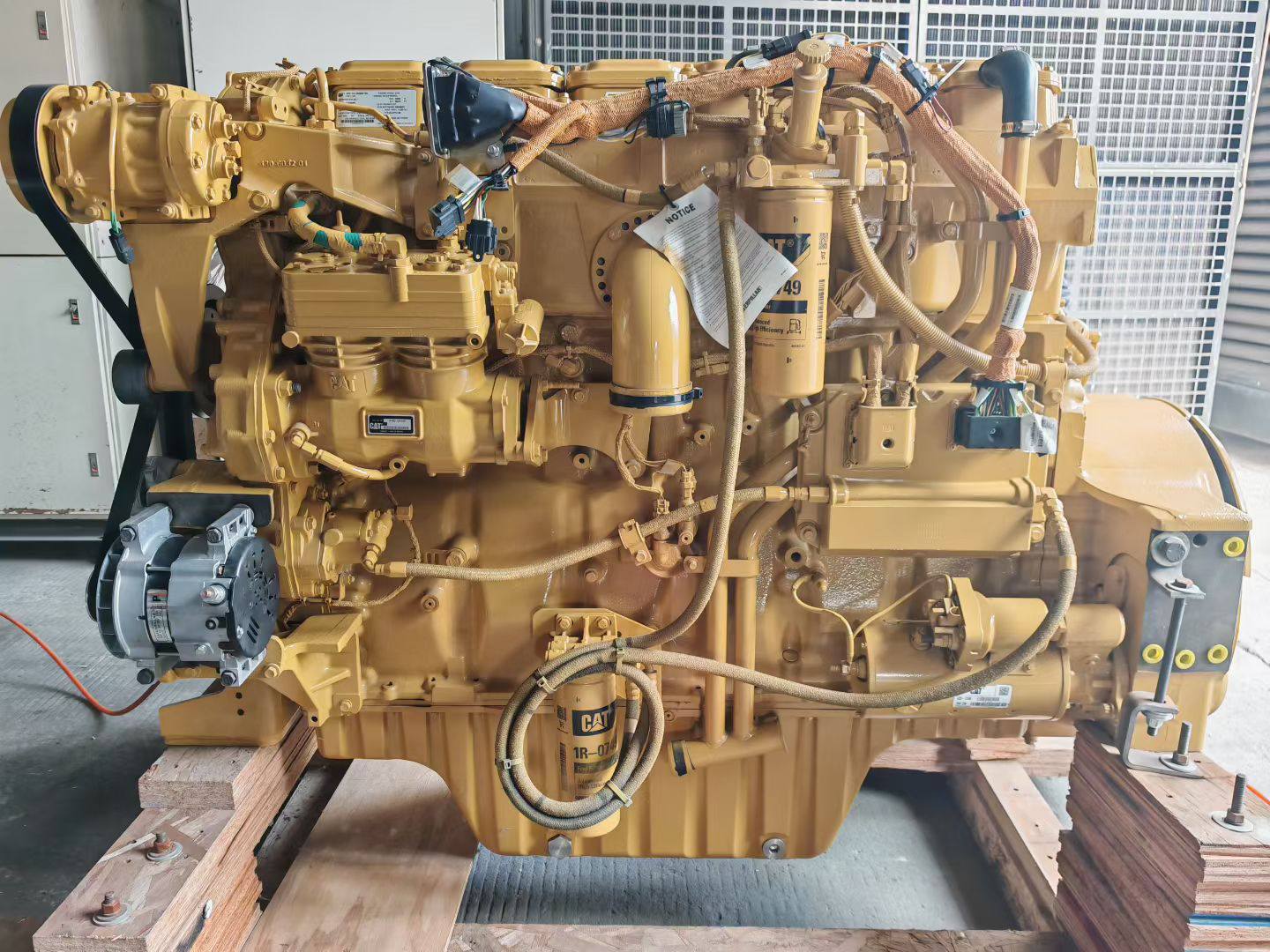
This article is written for buyers sourcing Caterpillar engine parts. It explains how Caterpillar engine identification works and which information can reduce repeated quotation checks. Final parts applicability, repair procedures and fault diagnosis should still be confirmed by a qualified service organization.
Why Is the Engine Model Alone Not Enough?
An engine model such as 3406 or C15 identifies a broad engine family rather than one unique build configuration.
That family may span many years of production, several emissions versions and different installations for construction equipment, generator sets, marine applications and other industrial machinery. If a supplier prepares a quotation using only the model name, the quotation may correspond to one version within that family rather than the exact engine currently installed in the buyer’s equipment.
The engine model is therefore a useful starting point, but it is not normally the final reference used to confirm a specific service part.
Does the Number Come from the Engine or the Equipment?
This is one of the most common starting points for an incorrect parts enquiry.
The number supplied by the buyer may come from:
- The engine dataplate
- The complete machine dataplate
- The generator-set dataplate
- An ECM label
- A label or marking on the old component
These numbers do not identify the same object.
If a supplier receives an equipment serial number but assumes that it is the engine serial number, the entire parts-search process may follow the wrong configuration. When possible, explain where the number was found or provide a clear dataplate photograph so the supplier can identify which level of the equipment it belongs to.
A Serial Number Prefix Narrows the Search, but It Is Not the Final Answer
A Caterpillar engine serial number normally includes a prefix.
The prefix can help narrow the engine family and serial-number range, so it is a useful starting point for identification. However, the prefix does not replace the complete serial number.
For a formal parts check, provide the full engine serial number whenever possible. If an Arrangement Number, the old part number and clear photographs of the installed component are also available, the confirmation process is usually faster and more reliable.
An Arrangement Number Is a Configuration Reference, Not a Single Component Number
After the engine has been identified, the Caterpillar parts system may also refer to an Arrangement Number.
This term is often misunderstood.
An Arrangement Number normally represents a configuration or assembly level. It is not automatically the individual ordering number for one injector, water pump, piston or other service component.
A buyer who provides an Arrangement Number as though it were the part number for a small component may be searching at the wrong level. The supplier may need to use that arrangement reference to locate the specific component and its current service part number within the relevant configuration.
The Same Base Engine Model May Use Different Parts in Different Applications
The same base engine model may be installed in an excavator, wheel loader, generator set or other equipment, but the final configuration may not be identical.
Equipment manufacturers may specify different arrangements for:
- Cooling systems
- Accessory drives
- Regional emissions requirements
- Control interfaces
- Installation layouts
This does not mean that every component changes with the application. It does mean that the equipment type and operating application can affect the parts search and should be included in the enquiry.
A description such as “CAT engine” is therefore incomplete unless the supplier also knows what equipment the engine is installed in.
Casting Numbers and Surface Markings Are Not Automatically Service Part Numbers
Cast components such as cylinder blocks, cylinder heads and manifolds often carry casting numbers, production markings or other identification codes.
These numbers can help narrow the structural family of the component, but they may not identify:
- The final machined version
- The internal components installed in the assembly
- The current service replacement number
- The exact application configuration
The safer approach is to provide these markings together with the engine serial number, the old component number and clear photographs. A casting number should not normally be used as the only reference for placing an order.
A Serial-Number Lookup Reflects the Original Build, Not Every Later Modification
Even when a serial-number search returns a valid parts result, the engine currently installed in the equipment may no longer match the original factory configuration.
The engine may have been:
- Replaced with another complete engine
- Rebuilt using a different long block or short block
- Modified with a different cooling arrangement
- Fitted with another ECM or wiring harness
- Removed from another machine and installed as a used replacement
In these situations, the parts information associated with the original serial number may not fully match the current physical configuration.
The correct approach is to compare the serial-number result with the current part number, interfaces, installation condition and available repair history. Do not rely only on the original factory configuration, but do not rely only on external appearance either.
Define the Purpose of the Purchase Before Confirming the Part
The same engine can generate very different enquiries depending on what the buyer is trying to achieve.
For routine maintenance items such as filters or sensors, the main concerns may be replacement intervals, connection details and correct fitment.
For fault-related repairs, the failed system should be identified before a specific component is ordered. A general symptom such as low power may involve the fuel system, intake system, turbocharger, electronic controls or internal engine wear. It should not automatically be used to justify the purchase of one particular part.
The purchasing logic changes again when the project involves an in-frame repair, a complete overhaul or an engine-assembly replacement.
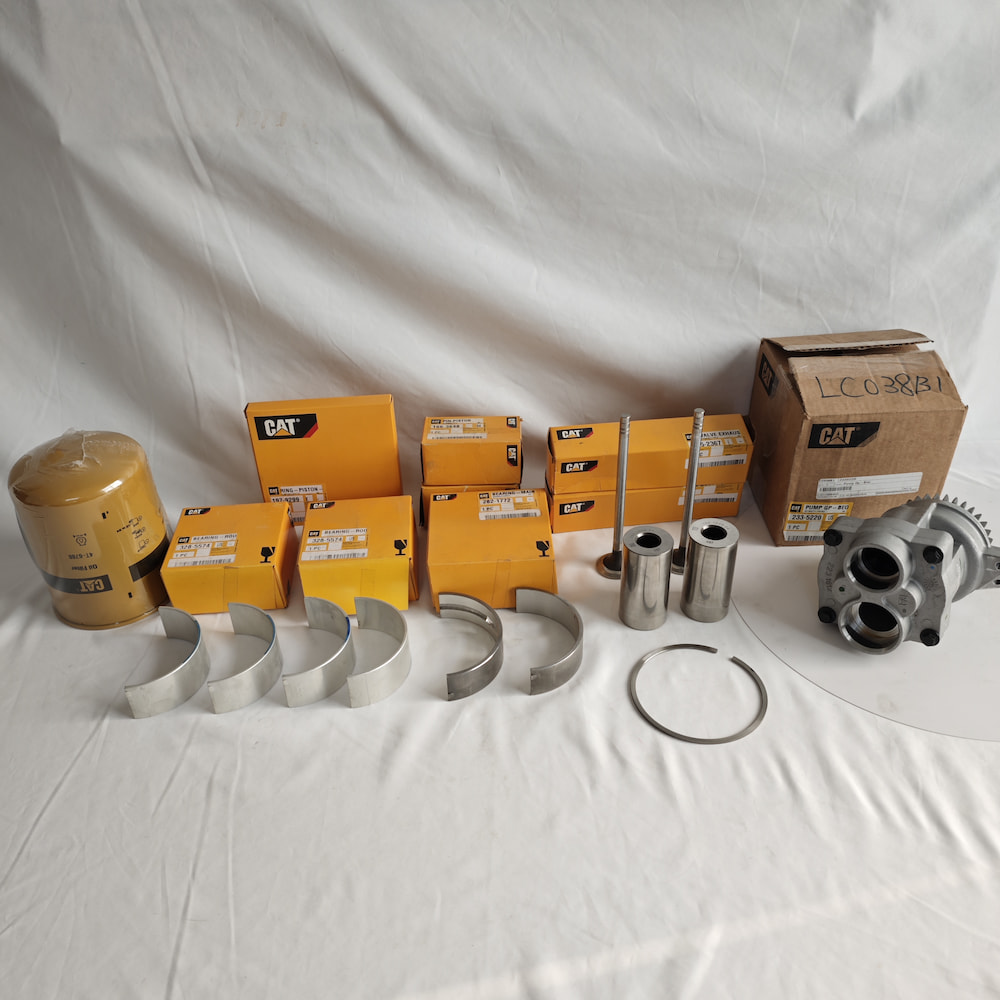
A short block, long block and complete engine do not have the same supply scope. The peripheral components included with each assembly may also vary. Quotations should therefore be compared using the actual bill of materials and included scope, not only the total price.
Information to Provide Before Ordering
Provide the following information whenever possible:
- Complete engine model and a clear dataplate photograph
- Full serial number and where it was found: engine, machine or generator-set dataplate
- Arrangement Number, when available
- Equipment make, complete model and application
- Current part number and clear photographs of the component and its interfaces
- Required supply scope: individual part, repair kit, overhaul kit or engine assembly
- Whether Cat Reman or a verified replacement option is acceptable
How ZEB Power Supports Caterpillar Parts Sourcing
ZEB Power uses the engine model, serial number, current part number, equipment application and physical photographs to help verify the correct component identity and supply scope.
We can also explain which genuine, Cat Reman and verified replacement options are currently available for the confirmed configuration.
The original cause of a fault, the condition of reusable components, machining dimensions and the final repair scope must still be determined by a qualified service organization with the appropriate equipment and technical information.
In this article, “parts verification” means confirming the component identity, applicable configuration and quotation scope. It does not mean diagnosing the fault remotely or deciding the repair procedure.
Send the engine dataplate information, full serial number, equipment model, application and the component you need. We will help confirm the correct part number and quotation scope.

Frequently Asked Questions
Can I request a quotation with only the engine model and no serial number?
An initial review is usually possible, but the engine model only defines a broad range. A firm quotation will normally also require the full serial number, the current part number and clear component photographs.
Can the Serial Number Prefix replace the complete serial number?
No. The prefix can help narrow the engine family and serial-number range, but the complete serial number and current physical information are normally still required to confirm the final configuration.
Is an Arrangement Number the same as a part number?
Not necessarily. It may be an orderable assembly reference, but it normally represents a configuration or assembly level and should not automatically be used as the ordering number for one individual component.
Can the same engine model use different parts in different equipment?
Yes. Equipment manufacturers may use different configurations for installation layout, cooling, accessory drives, controls and regional requirements. The equipment type and application should therefore be included in the enquiry.
Can I order directly from the number marked on the old component?
Use caution. The visible number may be a casting number, production code or other marking rather than the current service part number. It should be checked together with the engine serial number and the physical component.
The serial-number lookup does not match the engine in front of me. Is the lookup wrong?
Not necessarily. The lookup reflects the manufacturer’s original build configuration. If the engine or one of its major assemblies has been replaced or modified, the current condition may differ from the original record.
In that case, compare the serial-number result with the current part number, interfaces, installation condition and available repair history.