

Pièces de faisceau électrique Perkins : de quelle section avez-vous besoin ?

7226
Sommaire
Génération du sommaire...
“I need a Perkins engine wiring harness.”
That request may refer to two very different parts of the electrical system:
- Engine-side wiring harness — the wiring that connects the ECM, engine-mounted sensors, injectors, and other engine-side electrical components.
- OEM / equipment interface harness — the wiring that connects the engine to the rest of the machine, such as instruments, control panels, generator-set controllers, or equipment-manufacturer control systems.
The starter motor and charging alternator are also part of the wider engine electrical system, but their main power cables are often handled separately and should not automatically be assumed to be included in an “engine wiring harness” quotation.
Before requesting a price, first confirm which side of the electrical system you actually need.
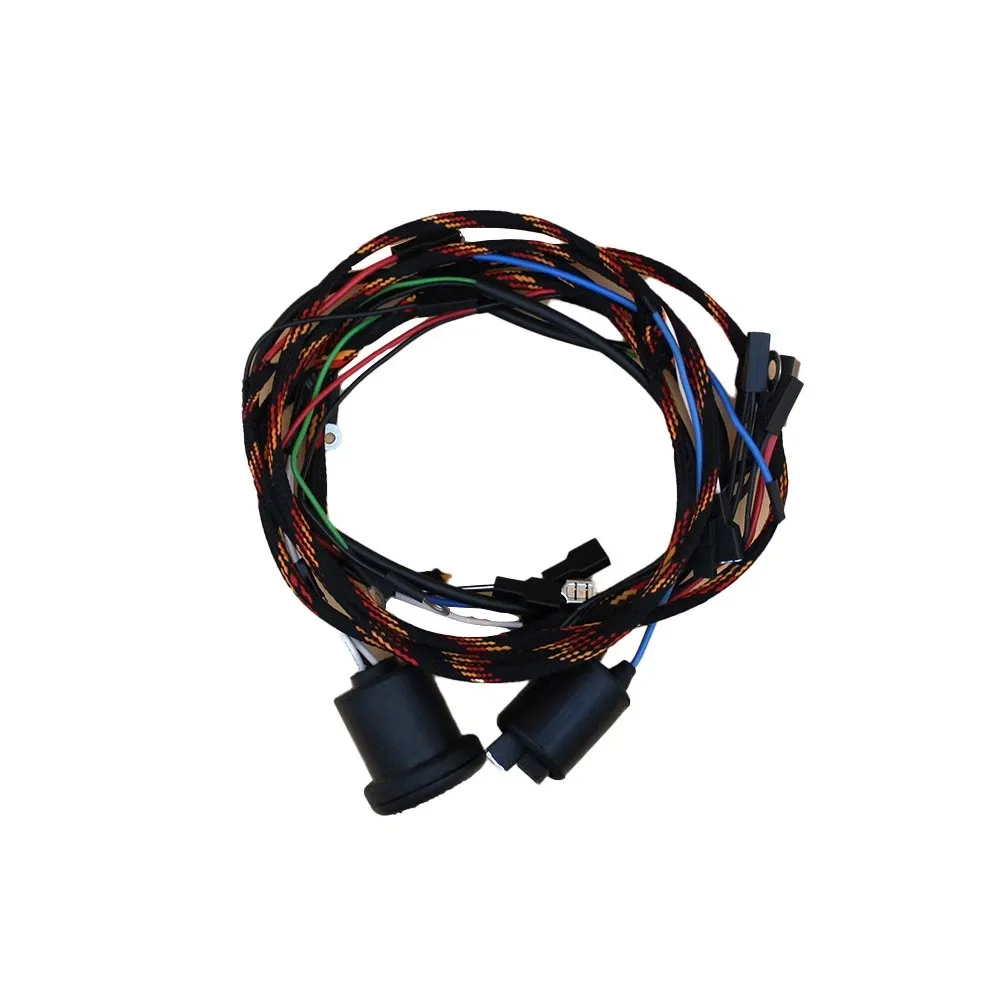
Mechanical and Electronically Controlled Engines Do Not Use the Same Level of Wiring Complexity
Mechanically controlled Perkins engines generally do not use electronic fuel injection or a complex ECM sensor network, so their engine-side wiring is usually simpler.
That does not mean the electrical system consists only of a starter and alternator. Mechanical engines may still use items such as:
- Oil-pressure or coolant-temperature senders and switches;
- Preheating devices;
- Shutdown circuits;
- Warning switches and basic instrumentation.
Electronically controlled engines add an ECM, electronically controlled fuel systems, additional pressure, temperature, speed, and position sensors, and more complex equipment interfaces.
Perkins has used different fuel-system architectures across its engine families, including mechanical injection, electronically controlled common-rail systems, and unit-injector-type systems. An electronically controlled Perkins engine should therefore not be treated as if every model uses the same injector or wiring architecture.
Before sourcing a replacement harness, confirm whether the engine is mechanical or electronic and identify the actual fuel-system and control configuration. A similar engine model designation is not enough to prove that the harness is the same.
Injector Coding and Harness Connector Position Are Two Different Relationships
This is one of the easiest points to confuse on electronically controlled engines.
There are two separate layers:
Software / calibration layer
On systems that require individual injector compensation coding, each injector’s code must be assigned to the cylinder in which that injector is actually installed.
Electrical layer
On systems whose wiring schematic defines injector circuits by cylinder, the harness connector for that cylinder must be connected to the injector installed in the corresponding position.
These two relationships do not correct each other.
Correct injector coding does not compensate for an incorrectly connected injector circuit. Likewise, connecting the harness to the correct cylinder does not correct an injector code that has been assigned to the wrong cylinder.
For systems that use both individual injector coding and cylinder-specific injector circuits, both relationships must be checked independently:
Injector Code → Actual Cylinder
and
Injector Circuit → Correct Cylinder Position according to the Wiring Schematic
Other Perkins fuel-system architectures may use different service procedures, so the applicable engine service information should always be followed.
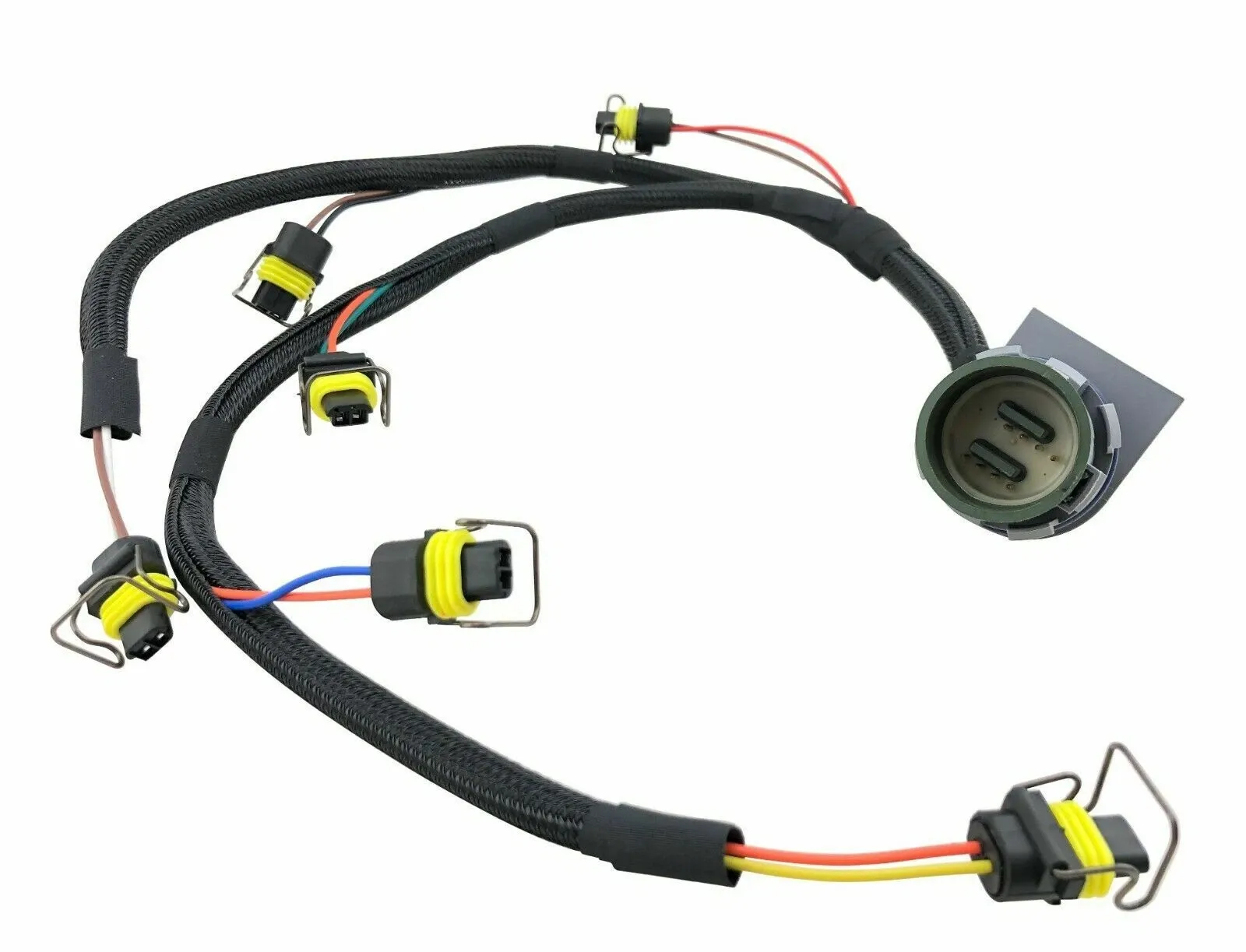
The Same Engine Model Does Not Mean the Same Harness
The same basic Perkins engine model may use different wiring harnesses because of differences in:
- ECM platform;
- Engine electronic configuration;
- Sensor and actuator arrangement;
- Production stage;
- Equipment interface;
- Application-specific integration.
The reverse is also true.
Even if two ECMs look identical, or even use the same basic hardware platform, that does not prove that the complete wiring harness is the same. The engine-side branches and equipment-side interfaces may still be different.
A difference in ECM software or calibration also does not automatically mean that the connector hardware has changed. Software configuration and physical harness design are related parts of the control system, but they should not be treated as the same thing.
The important point is:
A connector housing that physically fits does not prove that the internal terminal assignments and circuit functions are the same.
When compatibility is uncertain, the correct wiring schematic, harness part number, ESN, Build List, and actual installed configuration should be checked rather than relying on connector appearance alone.
Align the Supply Scope Before Comparing Quotations
The term “wiring harness” can refer to several different supply scopes.
| Supply Scope | What It Usually Refers To |
|---|---|
| Main / Engine-side Wiring Harness | Main connections between the ECM, engine sensors, and actuators |
| ECM-related Harness | A specific section associated with the ECM; exact scope depends on the BOM and part number |
| OEM / Customer Interface Harness | Interface between the engine and machine, generator-set controller, or other equipment control system |
| Branch / Repair Harness | A local branch or service section rather than the complete engine harness |
These names are common purchasing descriptions. They do not mean that every Perkins engine platform divides its service parts into exactly the same categories.
The final supply scope should always be confirmed from the applicable ESN, Build List, BOM, and part number.
Before comparing prices, make sure the quotations refer to the same harness section. Otherwise, the total prices may not be comparable at all.
Compare the Original Engine Record with the Current Physical Configuration
The engine’s original ESN and Build List are essential references, but they are not the only information that matters.
After an engine is installed in a machine or generator set, the equipment manufacturer may add its own control wiring, additional sensors, alarms, or other equipment-side circuits. These circuits may sit outside the normal Perkins engine-harness supply scope.
The engine may also have undergone previous repairs or modifications, including:
- ECM replacement;
- Harness repair;
- Connector replacement;
- Equipment-controller upgrades;
- Non-standard rewiring.
For that reason, the current physical configuration should not automatically be treated as the correct answer either.
A previous repair may have introduced an incorrect harness, wrong connector, or wiring modification.
The more reliable approach is to cross-check:
Original ESN / Build List record + Old Harness Part Number + ECM Information + Current Connectors + Installed Routing
If the original engine record and the current wiring do not agree, the difference should be investigated before ordering a replacement.
Connector and Local Harness Damage Can Look Like a Sensor or ECM Problem
Harness faults do not always appear as a completely broken wire.
Possible problems include:
- Poor connector contact;
- Corroded terminals;
- Water ingress;
- Harness chafing;
- Local short circuits;
- Previous non-standard repairs.
Symptoms such as intermittent shutdowns, unstable instrument readings, or occasional fault warnings can make the sensor or ECM look suspicious, but the connector and harness should also be included in the inspection.
One symptom alone does not prove which component has failed.
If the damage is limited to a connector or a small number of terminals, the applicable service information should be checked to determine whether an approved local repair is possible and which terminals, seals, or service parts are required.
If the harness has widespread ageing, multiple damaged branches, or persistent internal faults that cannot be restored correctly, replacement of a larger harness assembly may be more appropriate.
Information to Provide Before Ordering
A parts enquiry that can be checked efficiently should include:
- Complete engine model;
- Engine Serial Number;
- Build List;
- Whether the required part is an engine-side harness or an OEM / equipment interface harness;
- Old harness part number, if available;
- ECM part number or a clear ECM dataplate photo;
- Clear photographs of the complete harness and major connectors;
- For a local repair, photographs and location of the damaged connector or wiring;
- Whether the engine wiring has previously been modified or repaired;
- Engine application, such as generator set, construction equipment, or industrial machinery.
The more accurately the engine identity and current physical configuration are documented, the easier it is to distinguish a genuine harness match from a part that simply looks similar.
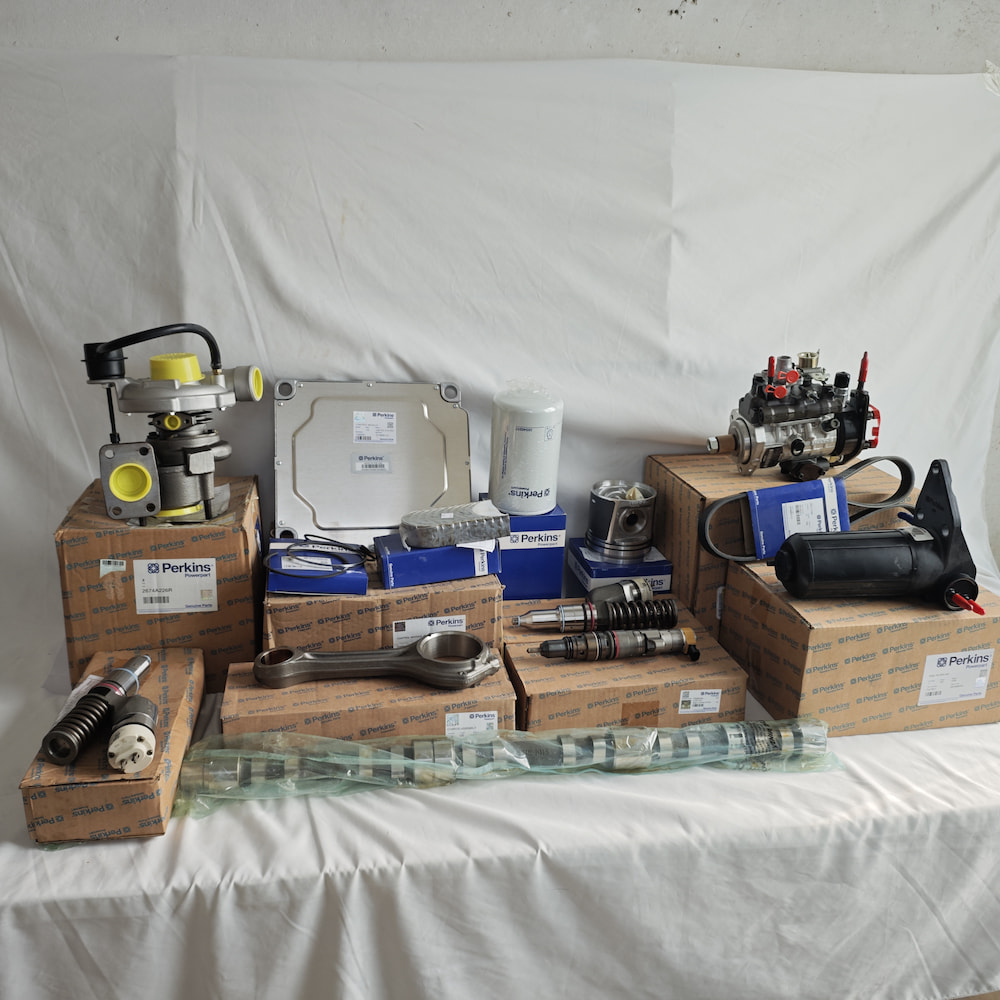
How ZEB POWER Helps Confirm Perkins Wiring Harnesses
Send us the engine information, old harness number, ECM dataplate, and clear photographs of the installed wiring.
ZEB POWER can help confirm:
- Whether the required part is engine-side or OEM / equipment-side;
- The applicable harness part number;
- Whether a superseding part number exists;
- Whether the harness matches the current ECM and engine electronic configuration;
- The quotation supply scope;
- Whether additional interface or sealing components need separate confirmation;
- Expected lead time.
If the engine has undergone ECM replacement, harness repair, or equipment-side electrical modification, include that information in the enquiry so the original Build List and current physical configuration can be reviewed together.
Frequently Asked Questions
Are the Engine-side Harness and OEM Equipment Interface Harness the Same Part?
No.
The engine-side harness connects engine-mounted electrical components such as the ECM, sensors, injectors, and actuators.
The OEM / equipment interface harness connects the engine to systems such as the machine controller, generator-set controller, instrument panel, or other equipment-manufacturer electronics.
The exact supply boundary depends on the engine and application.
Can the Same Perkins Engine Model Use the Same Wiring Harness?
Not necessarily.
Different ECM platforms, engine electronic configurations, production versions, and equipment interfaces can use different harnesses.
The harness should be confirmed using the ESN, Build List, harness part number, ECM part number, and current installed configuration, not the engine model alone.
Does Correct Injector Coding Mean the Wiring Is Correct?
No.
Injector coding is a software or calibration relationship. Harness connector position is an electrical installation relationship.
On systems that use individual injector coding and cylinder-specific injector circuits, both the injector-code-to-cylinder mapping and the harness-circuit-to-cylinder connection must be correct.
Does an Intermittent Shutdown or Unstable Gauge Reading Mean the Sensor Is Faulty?
Not necessarily.
Poor connector contact, corrosion, water ingress, harness damage, or a local short circuit can produce similar symptoms.
The sensor, connector, harness, power supply, ground, and related circuit should be checked according to the applicable service information before a replacement component is selected.
Does a Damaged Connector Mean the Complete Harness Must Be Replaced?
Not always.
If the damage is limited and the applicable Perkins service information provides an approved repair method and suitable service parts, a local repair may be possible.
If the harness has widespread deterioration, multiple damaged branches, or faults that cannot be reliably restored, a larger harness assembly may need to be replaced.